The 12-Minute Contrast Therapy Habit: US Wellness Centers Embrace It
The 12-minute contrast therapy habit, involving alternating hot and cold exposure, is swiftly becoming a cornerstone practice in US wellness centers, celebrated for its efficiency and comprehensive benefits for physical and mental well-being.
Across the United States, a powerful new trend is reshaping personal wellness routines: the 12-minute contrast therapy habit. This efficient practice, combining brief exposures to extreme hot and cold temperatures, is rapidly gaining mainstream traction in wellness centers nationwide, promising a host of physical and mental benefits in a remarkably short timeframe. It’s a compelling invitation to experience profound revitalization without a significant time commitment.
The Science Behind Hot and Cold: A Brief Overview
Understanding why contrast therapy is so effective begins with a look at the physiological responses our bodies have to extreme temperatures. It’s not just about feeling awake; there’s a complex interplay of systems that benefit from this deliberate thermal stress. From improving circulation to modulating inflammation, the science supports the sensation of well-being many report.
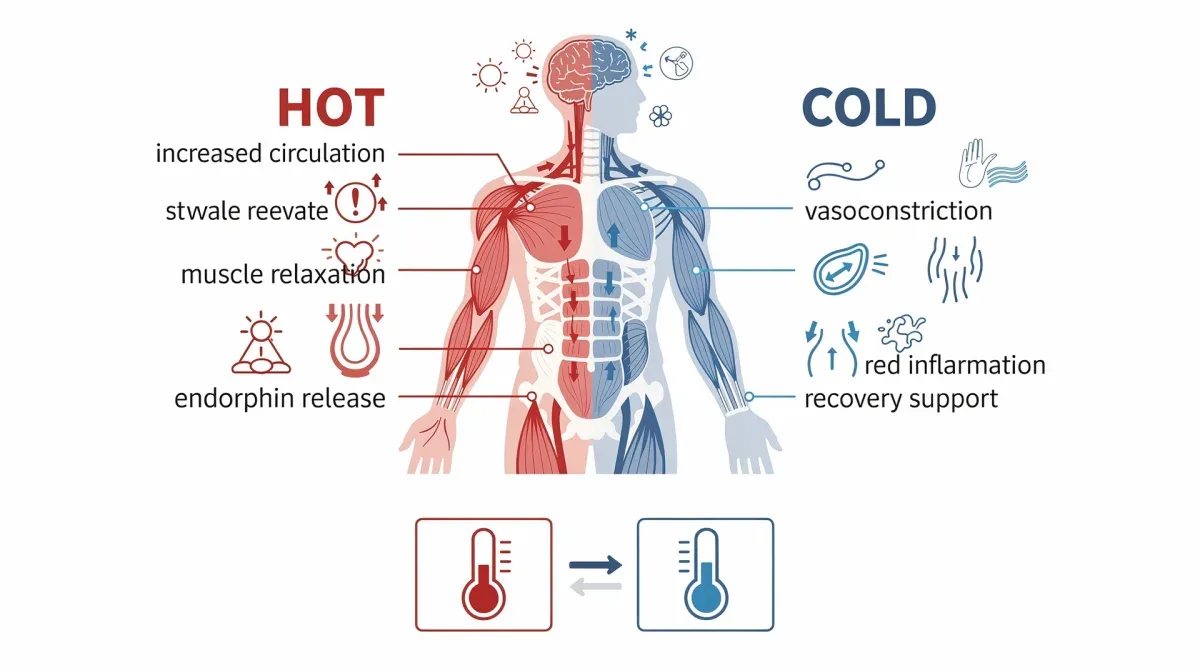
When we expose our bodies to heat, typically in a sauna or hot tub, our blood vessels dilate. This process, known as vasodilation, increases blood flow to the skin and muscles, helping to relax tissues and promote detoxification through sweating. It's a natural way for the body to shed toxins and ease muscle tension.
Physiological Responses to Heat
- Vasodilation: Blood vessels expand, enhancing circulation.
- Muscle Relaxation: Heat helps to soothe tight muscles and reduce stiffness.
- Detoxification: Increased sweating aids in the elimination of metabolic waste products.
- Stress Reduction: The warmth promotes a sense of calm and relaxation, lowering cortisol levels.
Conversely, cold exposure, often through cold plunges or cryotherapy, causes vasoconstriction – a narrowing of blood vessels. This constrictive action helps to reduce inflammation and swelling, driving blood away from the surface and into the core. When the body warms up again, the blood rushes back, creating a powerful 'pump' effect that is believed to enhance nutrient delivery and waste removal.
The Impact of Cold Exposure
The cold component is often the most challenging but also the most rewarding for many practitioners. The initial shock gives way to a profound sense of alertness and often, euphoria. This is partly due to the release of norepinephrine, a neurotransmitter that plays a crucial role in mood, focus, and energy levels.
- Vasoconstriction: Blood vessels constrict, reducing inflammation and swelling.
- Endorphin Release: The body releases mood-boosting chemicals, creating a 'cold high.'
- Metabolic Boost: Cold exposure can stimulate brown fat activation, increasing calorie burn.
- Immune System Support: Regular cold exposure may enhance the body's immune response.
The alternating nature of contrast therapy leverages both these responses, creating a dynamic environment for the body's systems. This rapid shift between dilation and constriction is thought to be a key driver of its therapeutic benefits, effectively training the vascular system and promoting overall resilience. The science suggests that this habit is more than just a trend; it's a strategic approach to optimize bodily functions.
Why 12 Minutes? The Efficiency Factor in Modern Wellness
In our fast-paced world, time is a precious commodity. The appeal of the 12-minute contrast therapy habit lies squarely in its remarkable efficiency. It offers significant benefits without demanding an extensive time commitment, making it an accessible and sustainable practice for many individuals with busy schedules. This brevity is not arbitrary; it's optimized for impact.
The concept of 'minimum effective dose' is highly relevant here. Researchers and wellness practitioners have found that even short, intense bursts of thermal cycling can trigger the desired physiological responses. This means individuals don't need hours to reap the rewards; a focused 12-minute session can be surprisingly potent. This efficiency is a game-changer for integrating wellness into daily life.
Optimizing Your 12-Minute Session
While the exact protocol can vary, a typical 12-minute session often involves cycles of 3-4 minutes in heat, followed by 1-2 minutes in cold, repeated two or three times. The key is the rapid transition, which maximizes the vascular 'pump' effect and the body's adaptive response. Beginners might start with slightly longer hot exposures and shorter cold ones, gradually increasing cold tolerance.
- Start with Heat: Begin with 3-4 minutes in a sauna or hot tub to warm the body.
- Transition to Cold: Immediately move to a cold plunge (50-60°F) for 1-2 minutes.
- Repeat Cycles: Perform 2-3 cycles, always ending with cold if possible for an invigorating finish.
- Listen to Your Body: Adjust times based on comfort and experience; consistency is key.
The short duration also reduces the barrier to entry for many. Instead of needing an hour-long block, individuals can fit contrast therapy into lunch breaks, before work, or as a quick reset during the day. This flexibility is crucial for habit formation, transforming what might seem like an intimidating practice into an achievable routine. The focus on a concise, impactful session makes it a practical solution for modern wellness needs.
Mainstream Adoption: US Wellness Centers Leading the Charge
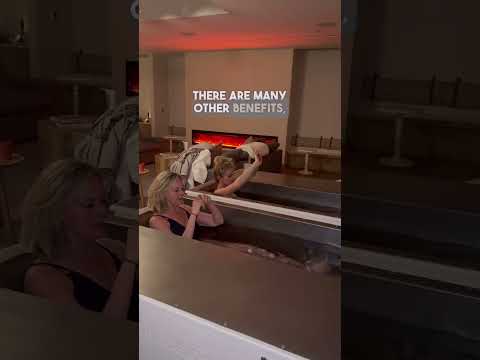
The rapid integration of contrast therapy into US wellness centers signifies a broader shift in how Americans approach health and recovery. These facilities are not just offering new amenities; they are actively educating their clients on the benefits and proper execution of this powerful practice. From high-end spas to community fitness centers, dedicated contrast therapy zones are becoming standard.
This widespread adoption is driven by several factors. Firstly, there's growing scientific evidence supporting the health claims, moving contrast therapy beyond anecdotal experience. Secondly, social media and word-of-mouth have amplified its popularity, with athletes and celebrities sharing their positive experiences. Lastly, wellness centers recognize the demand for effective, time-efficient recovery modalities.
Accessibility and Design Innovations
Modern wellness centers are designing their contrast therapy areas to be both inviting and functional. This includes state-of-the-art saunas, often infrared for deeper penetration, and meticulously maintained cold plunge pools with advanced filtration systems. The emphasis is on creating a seamless and hygienic experience that encourages regular use.
- Dedicated Zones: Many centers now feature specific areas for hot and cold therapy.
- Variety of Options: Offering traditional saunas, infrared saunas, steam rooms, and cold plunges.
- Guided Protocols: Staff often provide guidance on optimal timing and techniques for beginners.
- Integrated Experience: Contrast therapy is frequently paired with other services like massage or yoga.
The rise of specialized recovery studios, often equipped with multiple cold plunge tanks and saunas, further underscores this trend. These centers cater specifically to individuals seeking performance enhancement, injury recovery, and general well-being through practices like contrast therapy. This widespread investment in facilities and education is solidifying the 12-minute contrast therapy habit as a staple in the American wellness landscape.
Benefits Beyond the Physical: Mental Clarity and Resilience
While the physical benefits of contrast therapy are well-documented, its impact on mental well-being is equally profound and often the most surprising for new practitioners. The deliberate exposure to thermal stress, particularly the cold, trains the mind as much as the body, fostering a heightened sense of mental clarity, focus, and emotional resilience. It's a powerful tool for stress management in a demanding world.
The initial shock of cold water triggers a physiological response that demands immediate mental presence. This forces individuals to practice mindfulness, focusing on their breath and body sensations rather than external distractions. Over time, this repeated practice can enhance one's ability to remain calm and focused under pressure, both inside and outside the cold plunge.
Cultivating Mental Fortitude
Regular engagement with the discomfort of cold exposure builds mental toughness. It teaches the brain that discomfort is temporary and manageable, shifting one's perception of challenging situations. This translates into improved stress response and a greater capacity to face daily adversities with a composed mindset.
- Enhanced Focus: The intense sensation demands full attention, clearing mental fog.
- Stress Reduction: Regular practice can lower chronic stress levels and improve mood.
- Increased Resilience: Trains the mind to tolerate discomfort and adapt to challenges.
- Improved Mood: Boosts endorphins and norepinephrine, leading to feelings of euphoria and well-being.
Many individuals report a significant boost in energy and mental alertness post-session, often attributing it to the release of beneficial neurochemicals. This mental reset can be particularly valuable for those dealing with demanding jobs or high-stress environments. The 12-minute contrast therapy habit, therefore, offers a holistic approach to wellness, nurturing both the body's physical health and the mind's inner strength.
Integrating Contrast Therapy into Your Lifestyle
For those interested in adopting the 12-minute contrast therapy habit, practical integration into a daily or weekly routine is key. While wellness centers provide an ideal environment, understanding how to safely and effectively incorporate this practice, even at home, can make it a sustainable part of a healthy lifestyle. It’s about making it work for you.
Starting slowly and gradually increasing exposure is crucial, especially for the cold component. Rushing into extreme temperatures without proper acclimatization can be counterproductive and even risky. The goal is to build tolerance over time, allowing the body to adapt and reap the full spectrum of benefits.
Tips for Sustainable Practice
Whether you're visiting a wellness center or attempting a home setup, consistency trumps intensity. Regular, shorter sessions are often more beneficial than infrequent, overly ambitious ones. Consider scheduling your sessions like any other important appointment to ensure adherence.
- Start Gradually: Begin with comfortable temperatures and shorter durations, especially for cold.
- Hydrate Well: Drink plenty of water before and after sessions to support detoxification.
- Listen to Your Body: Pay attention to how you feel and adjust your routine as needed.
- Consult a Professional: If you have underlying health conditions, consult a doctor before starting.
For home enthusiasts, options range from cold showers and ice baths to more sophisticated portable saunas and cold plunge tubs. While these setups require an initial investment, they offer the convenience of on-demand therapy. The accessibility of contrast therapy, whether at a dedicated center or in a personal space, is expanding its reach and making the 12-minute habit a viable option for many seeking enhanced well-being.
Future Outlook: Research, Innovation, and Personalization
The trajectory of contrast therapy suggests a future of continued growth, driven by ongoing research, technological innovation, and an increasing demand for personalized wellness solutions. As more individuals experience the benefits of the 12-minute contrast therapy habit, the field is poised for exciting developments that will further enhance its efficacy and accessibility.
Scientific studies are continually exploring the deeper mechanisms behind thermal stress, examining its impact on various health markers, including metabolic health, neurological function, and longevity. This research will refine existing protocols and potentially uncover new applications for contrast therapy, solidifying its place in evidence-based wellness.
Advancements in Therapy and Technology
Innovation in equipment is also rapidly progressing. We can anticipate more compact, energy-efficient saunas and cold plunge units that are easier to integrate into home environments. Smart technology will likely play a role, offering personalized temperature recommendations and tracking physiological responses to optimize individual sessions.
- Advanced Equipment: Expect more user-friendly and efficient home and commercial units.
- Personalized Protocols: AI and wearable tech may offer tailored thermal cycling recommendations.
- Broader Applications: Research could expand contrast therapy's use in clinical settings.
- Community Growth: The habit will likely foster more dedicated wellness communities and support networks.
The emphasis on personalization means that future contrast therapy experiences will be increasingly tailored to individual needs and goals. Whether it's adjusting temperatures for specific recovery needs or integrating with other biometric data, the future of the 12-minute contrast therapy habit is bright, promising a more precise and effective path to enhanced health and vitality for a wider audience. The continuous evolution of this practice will ensure its relevance for years to come.
| Key Aspect | Brief Description |
|---|---|
| Efficiency | 12-minute sessions offer significant benefits without extensive time commitment. |
| Physiological Benefits | Improves circulation, reduces inflammation, and enhances recovery through thermal cycling. |
| Mental Wellness | Boosts mental clarity, focus, and emotional resilience. |
| Mainstream Adoption | Rapidly integrated into US wellness centers due to proven efficacy and demand. |
Frequently Asked Questions About Contrast Therapy
What exactly is the 12-minute contrast therapy habit?▼The 12-minute contrast therapy habit involves alternating between hot and cold temperatures, typically in 3-4 minute hot sessions (sauna/hot tub) and 1-2 minute cold plunges, repeated for a total of 12 minutes. This brief, intense cycling aims to optimize physiological responses for recovery and well-being.
What are the primary benefits of this practice?▼Primary benefits include improved circulation, reduced muscle soreness and inflammation, enhanced detoxification, increased mental clarity and focus, and boosted mood through endorphin release. It also helps build resilience to stress and can support immune function.
Is contrast therapy safe for everyone?▼While generally safe for healthy individuals, people with certain medical conditions like heart disease, high blood pressure, or circulatory issues should consult a doctor before starting. Pregnant women and individuals with open wounds should also avoid it or seek medical advice.
How often should one practice the 12-minute contrast therapy habit?▼For optimal results, many practitioners aim for 2-3 sessions per week. However, even one session a week can provide noticeable benefits. Consistency is more important than daily extreme exposure, allowing the body to adapt and integrate the therapeutic effects.
Can I do contrast therapy at home without specialized equipment?▼Yes, you can replicate some benefits at home using cold showers and hot baths. While not as intense as dedicated saunas and cold plunges, alternating between the hottest and coldest water you can tolerate for short intervals can still stimulate similar physiological responses and provide a good starting point.
Conclusion
The 12-minute contrast therapy habit has firmly established itself as a significant and effective trend in US wellness centers, reflecting a broader societal embrace of efficient, impactful health practices. Its ability to deliver substantial physical and mental benefits within a concise timeframe makes it an attractive option for individuals seeking to optimize their well-being in a busy world. As scientific understanding grows and accessibility expands, this powerful alternation of hot and cold is set to remain a cornerstone of modern self-care, offering a clear path to enhanced vitality and resilience for many across the nation.
