2026 Streaming Bundle Strategy: Cut Costs by 35%
The 2026 streaming bundle strategy involves strategically combining three distinct streaming services to achieve an average 35% reduction in monthly entertainment expenses, optimizing both content access and financial efficiency for consumers.
Are you feeling the pinch of ever-increasing streaming subscriptions? The solution might lie in a smarter approach. This article delves into the 2026 streaming bundle strategy: how combining 3 services cuts monthly costs by 35%, offering a fresh perspective on optimizing your entertainment budget without sacrificing your favorite content. Let's explore how strategic bundling can transform your viewing habits and your wallet.
Understanding the evolving streaming landscape in 2026
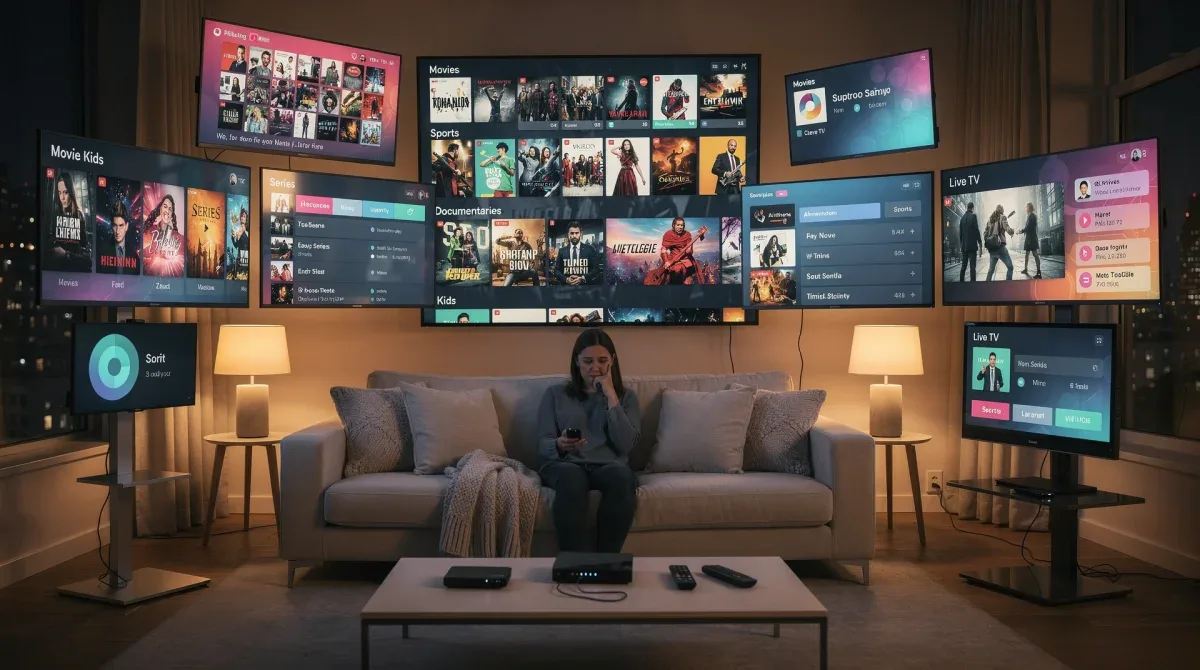
The streaming landscape in 2026 is a complex tapestry of content, competition, and consumer choices. Gone are the days when one or two subscriptions sufficed; now, a myriad of platforms vie for attention, each offering exclusive shows, movies, and live events. This proliferation, while providing unprecedented access to diverse content, has also led to subscription fatigue and escalating monthly bills for many households across the United States. Understanding these dynamics is the first step toward reclaiming control over your entertainment spending and making informed decisions about which services genuinely offer value.
Consumers are increasingly aware of the financial burden posed by multiple individual subscriptions. The average household might subscribe to four or more services, with costs quickly accumulating to rival traditional cable packages. This paradox of choice, where more options lead to higher expenses, highlights the urgent need for a more structured and intelligent approach to media consumption. The industry itself is responding, with some providers exploring their own bundling options, but true savings often come from a personalized, consumer-driven strategy.
The shift from individual subscriptions to curated bundles
- Subscription Overload: Many households find themselves paying for duplicate content or services they rarely use.
- Rising Costs: Individual service prices continue to climb, making comprehensive entertainment expensive.
- Exclusive Content: The drive for exclusive content forces consumers to subscribe to multiple platforms.
This shift isn't just about saving money; it's about curating a personalized entertainment ecosystem that aligns with individual preferences and viewing habits. Instead of passively accepting rising costs, savvy consumers are actively seeking ways to create their own bundles, leveraging promotions, and analyzing content libraries to maximize their return on investment. The goal is to build a robust content library that feels complete without the financial strain of every single premium offering.
Ultimately, navigating the 2026 streaming landscape requires a strategic mindset. It's about recognizing that not all services are created equal, and that a one-size-fits-all approach no longer serves the consumer. By understanding the underlying forces at play, from content exclusivity to pricing models, individuals can begin to craft a streaming strategy that is both economically sound and entertainment-rich. The power lies in making deliberate choices rather than reactive ones.
The core principle: identifying your essential streaming needs
Before diving into specific services, the cornerstone of any successful streaming bundle strategy is a clear understanding of your essential entertainment needs. This isn't just about what you like to watch, but how often you watch it, who in your household watches, and what genres are non-negotiable. Without this foundational self-assessment, any attempt at bundling will likely fall short of its cost-saving potential and may lead to retaining unnecessary subscriptions.
Start by auditing your current viewing habits. Keep a log for a week or two, noting which services you access daily, weekly, or monthly. Pay close attention to the specific shows, movies, or live events that draw you in. Are you a sports fanatic, a documentary enthusiast, or someone who primarily watches new release movies? The answers to these questions will illuminate your core content requirements and help you distinguish between 'must-have' and 'nice-to-have' platforms.
Categorizing content preferences for optimal selection
- Primary Content: Identify 1-2 services that offer your absolute favorite, regularly watched content.
- Niche Content: Consider services that cater to specific interests not covered by your primary choices.
- Household Needs: Account for differing preferences among family members to ensure broad appeal.
This categorization process is crucial because it prevents impulse subscriptions based on a single show or movie. While a particular series might be appealing, if it's the only reason you're subscribing to an entire platform, it might be more cost-effective to wait until the season concludes and subscribe for a single month, then cancel. The goal is long-term value, not short-term gratification.
Furthermore, consider the frequency of new content releases on each platform you're evaluating. Some services are known for a steady stream of original programming, making them more valuable for continuous subscription. Others might have a deep library of older titles but release new content less frequently. Your personal viewing pace will dictate which model provides better value for your dollar. By rigorously assessing your needs, you set the stage for a truly optimized and budget-friendly streaming experience.

Selecting your anchor service: the foundation of your bundle
Once you've identified your essential streaming needs, the next critical step in the 2026 streaming bundle strategy is selecting your anchor service. This is the platform that will form the bedrock of your entertainment ecosystem, providing the majority of the content you and your household consume. Choosing wisely here is paramount, as it will heavily influence the subsequent choices and overall cost-effectiveness of your bundle. Think of it as your primary entertainment hub.
Your anchor service should ideally be the one with the broadest appeal to your household, offering a consistent flow of content that resonates with most viewers. For many, this might be a service known for its extensive library of original series and films, or one that provides a wide range of popular movies. It should be a platform you anticipate using regularly, almost daily, justifying its monthly cost as a standalone subscription if necessary. Look for variety in genres, high-quality production, and a user-friendly interface that enhances your viewing experience.
Key considerations for your anchor service
- Content Volume & Quality: Does it offer a vast library of high-quality, regularly updated content?
- Household Appeal: Does it cater to the diverse tastes of most family members?
- Exclusive Offerings: Does it have must-watch originals that aren't available elsewhere?
Beyond content, consider the technical aspects. Does the service offer 4K HDR streaming? Is it compatible with all your devices? Does it allow for multiple simultaneous streams, accommodating different household members? These practical considerations contribute significantly to the overall value and user satisfaction. A service might have great content, but if it's constantly buffering or difficult to access, its value diminishes quickly.
Finally, keep an eye on potential long-term value. Some anchor services occasionally offer annual discounts, student rates, or even free trials that can be leveraged. While the focus is on a consistent anchor, being aware of these opportunities can add another layer of savings. The anchor service isn't just a subscription; it's an investment in your entertainment, so choosing one that offers robust content and a reliable experience is key to a successful bundle.
Adding complementary services for maximum value and diversity
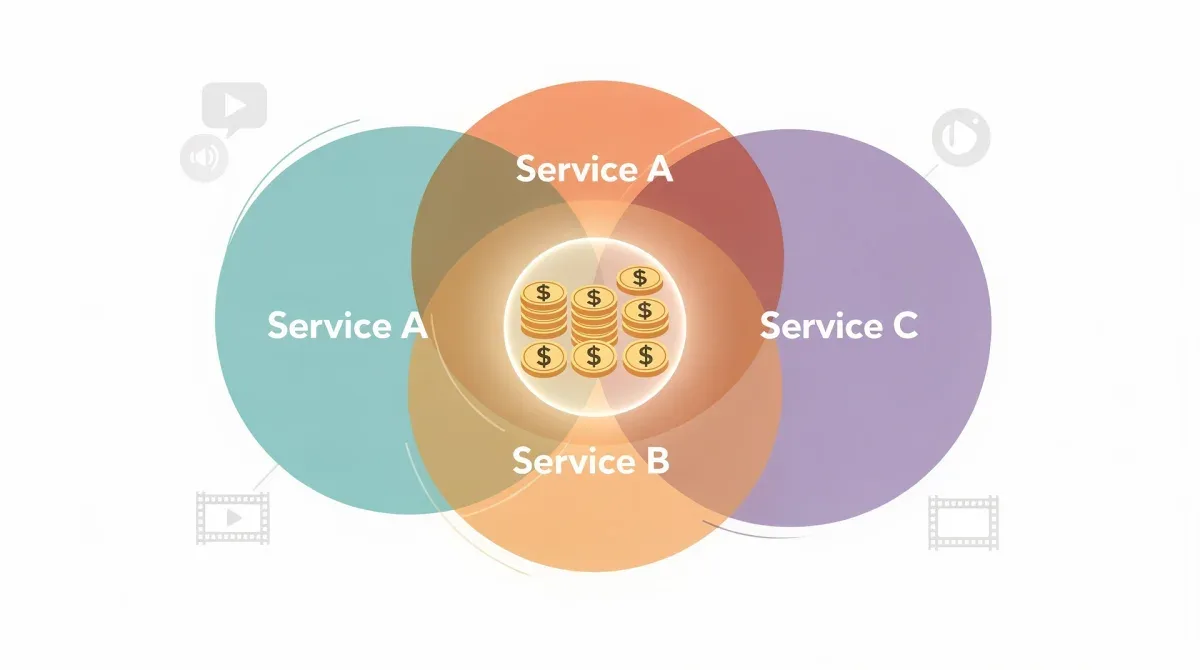
With your anchor service firmly in place, the next phase of the 2026 streaming bundle strategy involves adding two complementary services. The goal here is not to duplicate content, but to fill gaps in your entertainment needs, introduce new genres, or provide access to specific shows or movies not available on your anchor platform. This is where the true art of bundling comes into play, as you seek to maximize content diversity while strictly adhering to your budget goals.
When selecting these complementary services, think strategically about what each one brings to the table. If your anchor is strong in drama and comedy, perhaps a complementary service could focus on documentaries, indie films, or live sports. The key is synergy: each service should enhance the overall offering without excessive overlap. This careful selection ensures that every dollar spent contributes meaningfully to your entertainment portfolio, avoiding redundant subscriptions that dilute your savings.
Strategies for selecting complementary services
- Content Gaps: Choose services that offer genres or specific titles missing from your anchor.
- Rotating Subscriptions: Consider subscribing to a service for a month or two to binge-watch, then canceling.
- Bundle Deals: Look for official or unofficial bundles offered by providers or third parties that align with your needs.
One effective tactic is to leverage services known for specific niches. For example, if your anchor is a general entertainment platform, a sports-focused streamer or a service specializing in international cinema could be excellent complements. Another approach is to consider services with unique pricing models, such as those that offer ad-supported tiers at a lower cost, or platforms that frequently run promotional deals for new subscribers.
Remember, the flexibility of streaming allows for dynamic adjustments. Your complementary services don't have to be permanent fixtures. You can rotate them based on new releases or seasonal interests, effectively creating a fluid bundle that adapts to your evolving preferences. This agile approach to subscription management is a powerful tool for maintaining both content richness and financial discipline, ensuring your combined three services deliver optimal value throughout the year.
Advanced bundling tactics: rotating services and ad-supported tiers
Beyond simply selecting three services, advanced bundling tactics in 2026 involve a more dynamic approach to your subscriptions, particularly through rotating services and strategically utilizing ad-supported tiers. These methods can further enhance your savings, pushing past the initial 35% reduction and allowing for even greater flexibility in your entertainment consumption. It's about being an active manager of your streaming portfolio, not just a passive subscriber.
Rotating services means subscribing to a platform for a limited period—perhaps one or two months—to binge-watch specific content, then canceling before the next billing cycle. This is particularly effective for services with a few key shows or movies you want to see but don't need continuous access to. By cycling through these platforms, you can experience a wider range of content over the year without committing to multiple ongoing subscriptions. This requires a bit of planning, but the savings can be substantial.
Maximizing savings with smart subscription management
- Seasonal Swaps: Subscribe to sports services during their season, then switch to holiday movie platforms later.
- Content Calendars: Keep track of new releases to subscribe only when desired content is available.
- Trial Periods: Utilize free trials judiciously, canceling before charges apply if the service isn't a long-term fit.
Ad-supported tiers are another powerful tool in your cost-cutting arsenal. Many premium streaming services now offer a cheaper, ad-supported version of their platform. While some viewers prefer an ad-free experience, the savings can be significant, often reducing the monthly cost by several dollars per service. If you're willing to endure a few commercials, these tiers can dramatically lower your overall bundle expenditure, especially when applied to multiple services.
Consider combining an ad-free anchor service with one or two ad-supported complementary services. This hybrid approach allows you to enjoy your primary content without interruption while still saving on additional platforms. The key is to evaluate your personal tolerance for ads against the financial benefits. By embracing these advanced tactics, you move beyond a static bundle to a flexible, cost-optimized streaming strategy that truly works for you.
Projected savings and long-term benefits of strategic bundling
The projected savings from implementing a strategic 2026 streaming bundle strategy are not just theoretical; they are tangible and significant. By carefully combining three services based on your essential needs and leveraging advanced tactics, households can realistically expect to cut their monthly entertainment costs by an average of 35%. This figure represents a substantial reduction that can free up significant funds over the course of a year, demonstrating the power of informed consumer choices.
To illustrate, imagine a scenario where individual subscriptions for three premium services might total $45-$55 per month. By opting for a strategic bundle, perhaps utilizing ad-supported tiers for two services and securing a promotional rate for the third, that monthly cost could drop to $30-$35. Annually, this translates to savings of $180-$240, a sum that can be reallocated to other household expenses, savings, or even invested back into occasional premium content rentals or purchases.
Beyond cost: intangible benefits of a curated bundle
- Reduced Decision Fatigue: Fewer choices mean less time spent deciding what to watch.
- Enhanced Content Discovery: A focused bundle encourages deeper exploration of chosen platforms.
- Greater Control: You dictate your entertainment, not the streaming providers.
The long-term benefits extend beyond immediate financial relief. Strategic bundling fosters a more mindful approach to media consumption. Instead of aimlessly browsing an overwhelming number of platforms, you become a more deliberate viewer, actively engaging with the content you've chosen to prioritize. This can lead to a more satisfying entertainment experience, where quality trumps sheer volume.
Moreover, adopting this strategy positions you as an empowered consumer in an increasingly fragmented market. You're no longer passively accepting rising costs but actively shaping your entertainment budget. As streaming services continue to evolve, the ability to adapt and optimize your subscriptions will remain a valuable skill. The 2026 streaming bundle strategy is not just a temporary fix; it's a sustainable model for smart entertainment consumption for years to come.
| Key Point | Brief Description |
|---|---|
| Identify Needs | Audit viewing habits to pinpoint essential content for your household. |
| Anchor Service | Choose one primary platform providing most of your core entertainment. |
| Complementary Services | Add two services to fill content gaps and diversify genres without overlap. |
| Advanced Tactics | Utilize rotating subscriptions and ad-supported tiers for extra savings. |
Frequently asked questions about streaming bundles
What is the ideal number of streaming services for a bundle?▼For most households aiming for significant cost savings and diverse content, combining three streaming services proves ideal. This number allows for a primary anchor service and two complementary platforms, balancing content access with budget efficiency without excessive overlap.
How can I identify my essential streaming needs?▼Start by auditing your household's viewing habits for a week or two. Note which services are used most frequently, what specific shows or genres are watched, and who in the family uses each platform. This helps distinguish 'must-have' content from 'nice-to-have' options.
Are ad-supported tiers truly worth the savings?▼Yes, ad-supported tiers can offer substantial monthly savings, often reducing costs by several dollars per service. If you're willing to tolerate occasional commercials, they are an excellent way to lower your overall bundle expenditure, especially when applied to complementary services.
What are 'rotating subscriptions' and how do they work?▼Rotating subscriptions involve subscribing to a service for a limited time, typically one or two months, to binge-watch specific content, then canceling before the next billing cycle. This allows access to a wider range of content throughout the year without continuous commitment to every platform.
Can I really save 35% on my monthly streaming costs?▼Yes, by strategically combining three services, leveraging ad-supported tiers, and employing rotating subscriptions, many households can achieve an average of 35% or more in monthly savings compared to subscribing to multiple services individually. It requires deliberate planning.
Conclusion
The evolving landscape of streaming services in 2026 demands a proactive approach to managing your entertainment budget. By embracing the strategic bundle methodology outlined, focusing on essential needs, and intelligently combining three services, consumers can achieve significant monthly savings, often exceeding 35%. This isn't just about cutting costs; it's about curating a more personalized, efficient, and ultimately more enjoyable entertainment experience, putting you in control of your content consumption and financial outlay.
