4-Day Slow Travel: US Rail Over Flights Trend
The 4-day slow travel movement is gaining traction among US vacationers, who are increasingly opting for scenic rail journeys instead of flights to immerse themselves more deeply in destinations and enjoy a more meaningful travel experience.
The 4-Day Slow Travel Movement: Why US Vacationers Are Choosing Scenic Rail Over Flights represents a significant shift in how Americans approach their leisure time. This evolving trend prioritizes immersive experiences over hurried itineraries, inviting travelers to savor the journey itself, often through the nostalgic and scenic allure of train travel. It's a conscious decision to decelerate, connect more deeply with surroundings, and embrace a different rhythm of exploration.
The allure of unhurried journeys: Redefining American vacations
In an increasingly fast-paced world, the concept of vacation often conjures images of rushed airport security lines, cramped airplane seats, and the pressure to see as much as possible in limited time. However, a growing number of US vacationers are consciously rejecting this hurried approach, instead embracing the allure of unhurried journeys. This shift is giving rise to a new appreciation for the journey itself, transforming how people perceive and plan their getaways.
The redefinition of American vacations centers on quality over quantity, depth over breadth. Travelers are seeking genuine connections with the places they visit, moving beyond superficial sightseeing to engage with local cultures, landscapes, and rhythms. This isn't just about taking it easy; it's about intentional travel that fosters a sense of discovery and personal enrichment, moving away from the 'checklist' mentality that often accompanies traditional tourism.
Escaping the travel treadmill: Why slow travel resonates
The modern traveler often feels caught on a 'travel treadmill,' constantly chasing the next destination without truly experiencing the current one. Slow travel offers a much-needed escape, allowing individuals to disembark from this cycle and find a more fulfilling way to explore. It's about being present, observing details, and letting the destination unfold naturally.
- Mindfulness and presence: Slow travel encourages travelers to be fully present, noticing the subtle changes in scenery, sounds, and local life.
- Reduced stress: By minimizing tight schedules and constant rushing, travelers experience less stress and more relaxation.
- Deeper engagement: It allows for more meaningful interactions with local communities and a better understanding of their way of life.
- Personal reflection: The slower pace provides ample opportunity for introspection and personal growth, turning a trip into a transformative experience.
The resonance of slow travel lies in its ability to offer a counter-narrative to the prevailing culture of speed and efficiency. It acknowledges that some of the most profound travel experiences emerge from patience and observation, rather than from a frantic dash between landmarks. This paradigm shift is not just a trend; it's a reflection of a deeper desire for authenticity and well-being in our leisure pursuits.
Ultimately, redefining American vacations through the lens of unhurried journeys means valuing the process of travel as much as the destination itself. It’s about creating memories that are rich in detail and emotion, rather than simply collecting passport stamps. This movement is empowering travelers to reclaim their leisure time and shape experiences that truly resonate with their personal values.
The rise of rail: A scenic alternative to air travel
As the slow travel movement gains momentum, scenic rail travel is emerging as a compelling alternative to air travel for US vacationers. Trains offer a unique blend of comfort, convenience, and unparalleled views, allowing passengers to witness the diverse landscapes of America unfold outside their window. This shift isn't merely about transportation; it's about choosing a mode of travel that enhances the entire vacation experience, transforming transit time into an integral part of the adventure.

The appeal of rail extends beyond just the scenery. It provides a more relaxed environment where travelers can move freely, enjoy dining options, and connect with fellow passengers. The absence of airport hassles, security lines, and the stress of navigating crowded terminals makes train travel a remarkably appealing option for those seeking a tranquil and enjoyable journey.
Beyond the window: Comfort and amenities on board
Modern passenger trains in the US are increasingly equipped with amenities designed to ensure a comfortable and enjoyable journey. From spacious seating to dining cars and observation lounges, the onboard experience is crafted to cater to the needs of leisure travelers. These features contribute significantly to the overall appeal of choosing rail over air, particularly for longer distances.
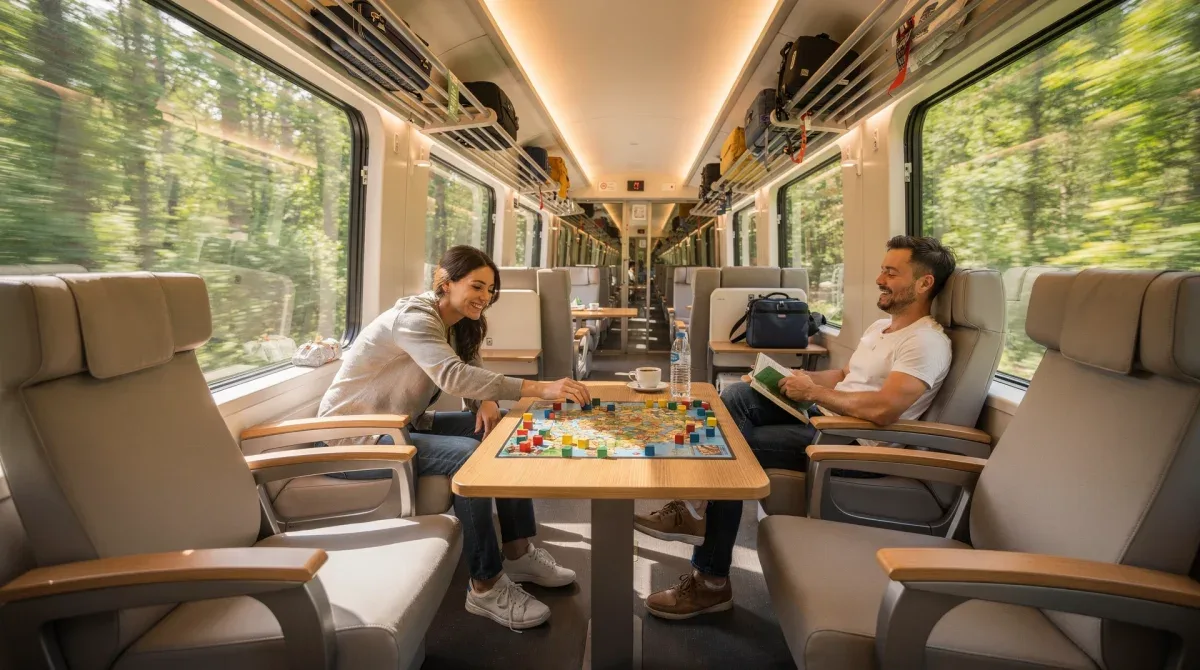
- Spacious seating: Unlike cramped airplane seats, train seating often offers ample legroom and wider berths, allowing for greater comfort.
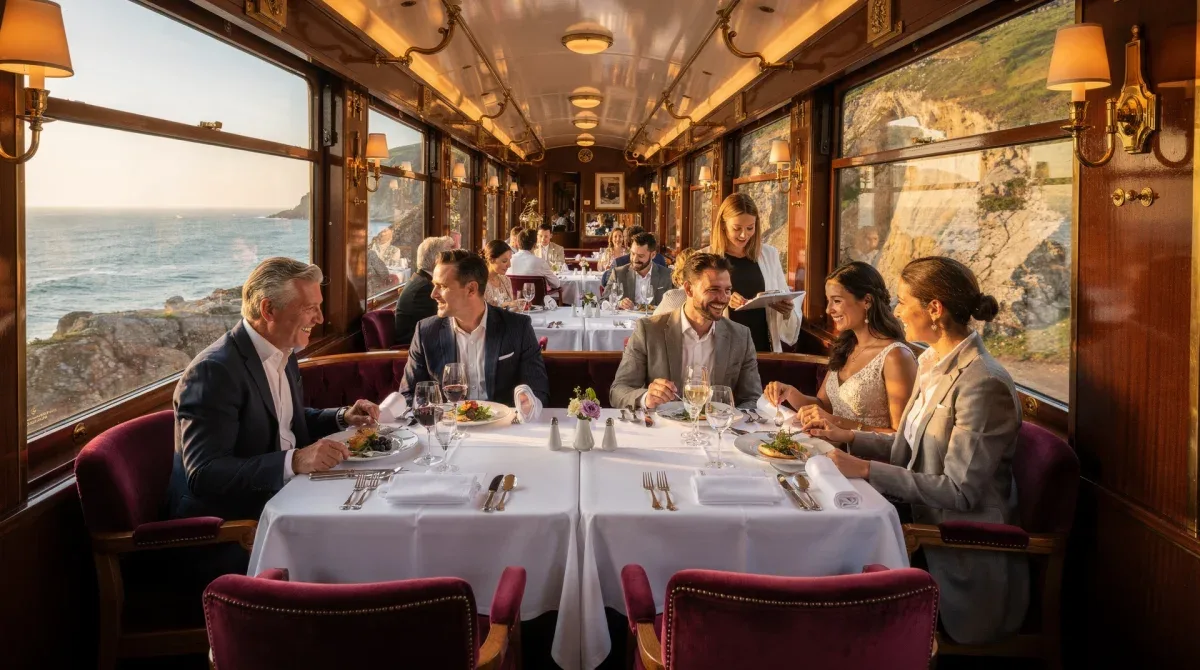
- Dining options: Many long-distance routes feature full-service dining cars, offering freshly prepared meals and a social atmosphere.
- Observation cars: Dedicated observation cars with large windows provide panoramic views, perfect for soaking in the passing scenery.
- Sleeping accommodations: For overnight journeys, private rooms and suites offer a comfortable and private space, complete with beds and often private restrooms.
The comfort and amenities found on trains create a stark contrast to the often-stressful experience of air travel. Passengers can relax, work, read, or simply gaze out the window without feeling confined. This emphasis on passenger well-being is a core reason why more US vacationers are considering rail as their preferred mode of transport, especially for journeys that align with the philosophy of slow travel.
The rise of rail as a scenic alternative to air travel marks a significant cultural shift. It highlights a desire for journeys that are not merely about reaching a destination, but about experiencing the richness of the travel process itself. This trend is set to continue as more travelers discover the unique advantages and profound pleasures that train travel offers.
The 4-day itinerary: Maximizing experience, minimizing stress
The concept of a 4-day slow travel itinerary is specifically designed to maximize immersive experiences while simultaneously minimizing the inherent stresses of travel. This duration strikes a perfect balance, allowing enough time to truly settle into a destination and engage with its offerings without the pressure of an extended absence from work or daily life. It's about quality over quantity, ensuring every moment counts without feeling rushed.
A 4-day trip encourages travelers to focus on a single region or a few closely located attractions, fostering a deeper connection rather than a superficial tour. By limiting the scope, vacationers can explore at a leisurely pace, allowing for spontaneous discoveries and genuine relaxation. This approach stands in stark contrast to traditional, often frantic, multi-city tours that leave travelers exhausted rather than rejuvenated.
Crafting intentional journeys: Focus on immersion
Crafting intentional journeys within a 4-day framework means prioritizing immersion over mere sightseeing. It involves selecting destinations that lend themselves to exploration at a slower pace, where the joy comes from lingering in a cafe, strolling through local markets, or simply observing daily life. This focus on immersion transforms a simple trip into a rich, memorable experience.
For example, a 4-day rail journey through the Pacific Northwest might focus solely on exploring the vibrant city of Portland and its surrounding natural beauty, rather than attempting to visit multiple states. This allows for ample time to delve into Portland's unique culture, hike in nearby forests, and enjoy the local culinary scene without feeling hurried.
- Deep dive into local culture: Allocate time for interacting with locals, trying regional cuisine, and visiting non-touristy spots.
- Unscheduled exploration: Leave room in the itinerary for spontaneous walks, discovering hidden gems, and simply enjoying the moment.
- Mindful engagement with nature: If the destination offers natural beauty, dedicate time to hiking, photography, or quiet contemplation in scenic spots.
- Relaxation and rejuvenation: Ensure downtime for rest, reading, or simply unwinding, allowing the true benefits of a vacation to manifest.
The 4-day itinerary, when approached with a slow travel mindset, becomes a powerful tool for maximizing experience and minimizing stress. It encourages travelers to be present, to connect authentically with their chosen destination, and to return home feeling genuinely refreshed and inspired, rather than just tired. This strategic approach to travel planning is a cornerstone of the burgeoning slow travel movement.
Environmental consciousness: Sustainable choices in travel
As awareness of climate change grows, environmental consciousness is playing an increasingly significant role in travel decisions. US vacationers are actively seeking more sustainable ways to explore, and this quest for eco-friendly alternatives is another key driver behind the embrace of rail over flights. Choosing train travel is often seen as a tangible step towards reducing one's carbon footprint, aligning personal values with travel practices.
Air travel is notoriously carbon-intensive, and while efforts are being made to decarbonize the aviation industry, trains generally offer a more environmentally friendly mode of long-distance transport. This makes rail an attractive option for those who wish to enjoy the pleasure of travel without contributing as heavily to environmental degradation. It's about making conscious choices that benefit both the traveler and the planet.
Lower carbon footprint: Rail versus air
When comparing the environmental impact of different modes of transport, rail consistently comes out ahead of air travel in terms of carbon emissions per passenger mile. This difference is substantial and is a compelling factor for environmentally conscious travelers. The infrastructure of rail transport is also inherently more energy-efficient, particularly when trains run on electricity from renewable sources.
- Reduced greenhouse gas emissions: Trains produce significantly less CO2 per passenger compared to airplanes, especially on busy routes.
- Energy efficiency: Modern electric trains are highly energy-efficient, and many countries are investing in greener rail networks.
- Less land use impact: Rail lines often have a smaller ecological footprint compared to the vast land areas required for airports and their associated infrastructure.
- Support for sustainable infrastructure: Choosing rail supports the development and maintenance of public transport infrastructure, which is crucial for sustainable urban and intercity planning.
The discussion around sustainable choices in travel extends beyond just carbon emissions. It encompasses supporting local economies, minimizing waste, and respecting natural habitats. Rail travel, by its very nature, often encourages these practices, as passengers are more likely to engage with local communities at train stops and appreciate the natural landscapes they pass through.
Ultimately, environmental consciousness is becoming a non-negotiable aspect of modern travel for many. The choice of rail over flights is a clear manifestation of this growing awareness, demonstrating a commitment to more sustainable and responsible tourism. This trend is not just about personal preference; it's about contributing to a larger movement towards a greener future for travel.
Economic advantages: Value and transparency in rail fares
Beyond the environmental and experiential benefits, the economic advantages of choosing rail over flights are becoming increasingly apparent to US vacationers. While airfares can be volatile and subject to numerous hidden fees, train fares often offer greater value and transparency. This predictability in pricing allows travelers to budget more effectively and avoid unexpected costs, contributing to a more relaxed and enjoyable trip overall.
The value proposition of rail travel extends beyond just the ticket price. It encompasses the entire travel experience, including the convenience of city-center station access, the ability to carry more luggage without exorbitant fees, and the opportunity to enjoy meals and entertainment onboard without additional charges. These cumulative benefits often make train travel a more economically sound choice, particularly for families or those on a budget.
Avoiding hidden costs: A clearer picture of expenses
One of the most frustrating aspects of air travel can be the proliferation of hidden costs. Baggage fees, seat selection charges, in-flight meal costs, and airport transfer expenses can quickly inflate the initial ticket price. Rail travel, in contrast, typically offers a clearer and more inclusive fare structure, providing a more transparent picture of the total cost of a journey.
- Transparent pricing: Train tickets often include basic amenities, with clearer pricing for upgrades like private rooms or premium dining.
- No baggage fees: Most rail services allow passengers to carry a generous amount of luggage without incurring extra charges.
- Convenient station locations: Train stations are frequently located in city centers, reducing the need and cost for expensive airport transfers.
- Onboard amenities: Access to dining cars, observation lounges, and sometimes Wi-Fi is often included or more affordably priced than airline equivalents.
The economic advantages of rail travel are not just about saving money, but about gaining peace of mind. Knowing the full cost upfront allows travelers to allocate their budget more effectively for activities and experiences at their destination, rather than being surprised by additional travel expenses. This financial transparency is a significant draw for US vacationers who are increasingly seeking value and predictability in their travel plans.
In conclusion, the economic benefits of rail travel, characterized by value and transparency in fares, play a crucial role in its growing popularity. By offering a clearer cost structure and minimizing hidden fees, trains provide a more financially appealing option for many travelers, further solidifying its position as a preferred mode for the 4-day slow travel movement.
Wellness and relaxation: The therapeutic benefits of rail journeys
In an era dominated by high-stress lifestyles, the pursuit of wellness and relaxation has become a priority for many US vacationers. Scenic rail journeys offer unique therapeutic benefits, providing an environment conducive to unwinding, disconnecting from digital distractions, and reconnecting with oneself and the natural world. This aspect of train travel is a powerful draw, positioning it as more than just transportation, but as a form of mobile retreat.
The rhythmic motion of the train, the ever-changing vistas outside the window, and the absence of immediate demands create a calming atmosphere. Passengers can lean back, read a book, journal, or simply observe the passing landscape, allowing their minds to wander and de-stress. This inherent tranquility is a stark contrast to the often-stressful and rushed experience of air travel, making rail an ideal choice for those prioritizing mental and emotional well-being.
Digital detox and mindful moments: Unplugging on the tracks
One of the most significant therapeutic benefits of rail travel is the opportunity for a digital detox and the cultivation of mindful moments. While Wi-Fi might be available on some trains, the slower pace and captivating scenery naturally encourage passengers to put down their devices and engage with their immediate surroundings and thoughts. This intentional unplugging is vital for mental rejuvenation.
- Reduced screen time: The captivating views and relaxed atmosphere naturally encourage passengers to put away phones and laptops.
- Increased introspection: The quiet contemplation offered by long stretches of scenery allows for personal reflection and creative thought.
- Connection with nature: Observing diverse landscapes, from forests to deserts and coastlines, fosters a sense of awe and connection to the natural world.
- Quality time with companions: Without digital distractions, travelers can engage in more meaningful conversations and bonding with travel partners.
The therapeutic benefits of rail journeys extend to all senses. The smell of fresh coffee in the dining car, the gentle sway of the train, the distinct sound of the wheels on the tracks – all contribute to an experience that is deeply grounding and restorative. It’s a chance to slow down not just physically, but mentally, allowing for a genuine escape from the pressures of daily life.
Ultimately, the emphasis on wellness and relaxation is a core reason why more US vacationers are embracing rail travel within the 4-day slow travel movement. It offers a unique sanctuary where travelers can truly unwind, recharge, and return home feeling refreshed and balanced, making the journey itself a vital part of their overall well-being. This focus on mental and emotional health is transforming how people view and utilize their vacation time.
The future of American travel: A slower, richer experience
The convergence of desires for deeper engagement, environmental responsibility, economic value, and personal wellness points towards a significant shift in the future of American travel. The 4-day slow travel movement, particularly its embrace of scenic rail over flights, is not merely a fleeting trend but a foundational change in how US vacationers envision and execute their leisure time. This evolving landscape suggests a future where travel is less about speed and more about depth, less about ticking boxes and more about truly living the experience.
This future is characterized by a conscious decision to savor moments, to connect authentically with destinations, and to prioritize journeys that offer genuine enrichment. It reflects a societal desire to counteract the relentless pace of modern life, finding solace and adventure in more deliberate and thoughtful exploration. The focus is shifting from simply arriving at a destination to fully appreciating every step of the path.
Emerging trends and long-term impact on tourism
Several emerging trends indicate that the long-term impact of the slow travel movement, especially with its emphasis on rail, will be profound for the tourism industry. As more travelers discover the joys and benefits of unhurried journeys, the demand for accessible, comfortable, and scenic rail options is likely to increase, prompting further investment in infrastructure and services.
- Increased demand for experiential travel: Travelers will continue to seek authentic, immersive experiences over mass tourism.
- Growth in sustainable tourism: Environmental considerations will drive choices, favoring lower-impact modes of transport and eco-friendly accommodations.
- Development of niche rail routes: Operators may introduce more specialized scenic routes catering to specific interests, such as culinary tours or historical journeys.
- Integration of digital tools for slow travel: Apps and platforms will emerge to help travelers plan immersive, multi-modal slow travel itineraries, including rail.
The long-term impact on tourism will involve a diversification of offerings, with a greater emphasis on personalized and meaningful experiences. Destinations that can cater to the slow traveler's desire for authenticity, local engagement, and sustainable practices will thrive. The industry will likely adapt by promoting more integrated travel packages that combine rail with unique local activities and accommodations, moving away from generic, one-size-fits-all tours.
In essence, the future of American travel is poised to be slower, richer, and more deeply connected. The ongoing embrace of rail within the 4-day slow travel movement signals a collective yearning for journeys that nourish the soul, respect the environment, and offer true value. This evolution promises a more thoughtful and rewarding approach to exploring the vast and varied landscapes of the United States.
| Key Aspect | Brief Description |
|---|---|
| Slow Travel Philosophy | Prioritizes immersive, unhurried experiences over rushed itineraries, fostering deeper connections. |
| Rail Over Flights | US vacationers are choosing scenic train journeys for comfort, views, and reduced travel stress. |
| 4-Day Itinerary Benefits | Optimizes experience and minimizes stress, allowing for focused exploration and genuine relaxation. |
| Sustainable Choice | Rail travel offers a significantly lower carbon footprint compared to air travel, appealing to eco-conscious travelers. |
Frequently asked questions about slow rail travel
What exactly is the 4-day slow travel movement?▼The 4-day slow travel movement emphasizes taking shorter, more frequent trips that prioritize deep immersion in a single destination rather than rushing through multiple locations. It encourages a leisurely pace, allowing travelers to connect authentically with local culture, scenery, and personal reflection, often choosing less stressful modes of transport like scenic rail.
Why are US vacationers choosing scenic rail over flights for this movement?▼US vacationers are opting for scenic rail due to its numerous benefits: unparalleled views, enhanced comfort with spacious seating and amenities, reduced stress from avoiding airport hassles, environmental consciousness with a lower carbon footprint, and often more transparent and predictable economic advantages compared to volatile airfares. It transforms the journey into part of the vacation experience.
What are the main benefits of a 4-day slow travel itinerary?▼The 4-day itinerary minimizes stress while maximizing experience by allowing focused exploration. It provides enough time to truly settle into a destination, engage with its offerings, and foster deeper connections without feeling rushed or requiring an extended absence. This duration promotes genuine relaxation, spontaneous discoveries, and a return home feeling refreshed and inspired.
Is rail travel in the US truly more environmentally friendly than flying?▼Yes, generally, rail travel in the US is significantly more environmentally friendly than flying. Trains produce substantially less carbon dioxide per passenger mile compared to airplanes. Choosing rail contributes to a lower carbon footprint and supports more sustainable public transport infrastructure, aligning with growing environmental consciousness among travelers seeking eco-friendly vacation options.
How does slow rail travel contribute to personal wellness and relaxation?▼Slow rail travel offers unique therapeutic benefits by providing a calming environment conducive to unwinding and a digital detox. The rhythmic motion, ever-changing vistas, and absence of immediate demands encourage introspection, reduced screen time, and connection with nature. This fosters mental rejuvenation, stress reduction, and allows travelers to return home feeling genuinely refreshed and balanced.
Embracing a mindful journey ahead
The 4-day slow travel movement, with its increasing preference for scenic rail over flights, is more than just a passing trend; it signifies a profound re-evaluation of travel values among US vacationers. It represents a collective yearning for experiences that are authentic, sustainable, and deeply enriching. By choosing to slow down, travelers are not only reducing stress and environmental impact but are also forging more meaningful connections with the world around them. This mindful approach promises a future of American travel that is richer, more reflective, and ultimately more rewarding for everyone involved.
