Farm-to-Table Boxes: 22% Growth Among Busy Urbanites in 2026
Farm-to-table subscription boxes experienced a remarkable 22% growth among busy urbanites in 2026 because they seamlessly blend the desire for fresh, locally sourced food with the essential convenience demanded by modern city living.
The culinary landscape is constantly evolving, and in 2026, a significant shift has taken place: farm-to-table subscription boxes have seen an astonishing 22% growth among busy urbanites. This trend isn't merely about food; it reflects a deeper societal yearning for authenticity, health, and convenience in our fast-paced lives.
The urban hunger for authenticity and health
Urban life, while offering unparalleled opportunities, often comes with compromises, especially when it comes to food. Residents frequently grapple with limited access to truly fresh produce, often relying on supermarket chains where the origin of food can be obscure. This scenario has fueled a distinct hunger for authenticity and a deeper connection to what we consume.
The farm-to-table movement inherently addresses this by cutting out intermediaries. It establishes a direct link between consumers and the farmers who grow their food. For urbanites, this means knowing exactly where their food comes from, how it was grown, and who cultivated it. This transparency is a powerful antidote to the anonymity of industrial food systems, fostering a sense of trust and connection that modern consumers increasingly seek.
Reclaiming food knowledge
Beyond just sourcing, there's a growing desire to understand food better. Many urban dwellers feel disconnected from agricultural practices, leading to a void in their understanding of seasonal eating and sustainable methods.
- Seasonal awareness: Subscription boxes often highlight what's in season, educating consumers about natural cycles.
- Sustainable practices: Many boxes partner with farms committed to organic, regenerative, or low-impact farming.
- Recipe inspiration: Accompanying recipes help subscribers utilize unfamiliar produce, reducing food waste and expanding culinary skills.
This educational aspect transforms eating into a more mindful and enriching experience. It moves beyond mere consumption to a proactive engagement with the food system, making each meal a small act of informed choice.

Ultimately, the rise of farm-to-table subscription boxes in urban centers underscores a fundamental shift in consumer values. It's not just about eating; it's about eating well, knowing the story behind the food, and supporting a more sustainable, equitable food system. This desire for genuine connection and healthier living continues to drive the market forward.
Convenience as a cornerstone of urban adoption
In the bustling rhythm of urban existence, time is a precious commodity. For busy professionals, parents, and individuals constantly juggling multiple commitments, the idea of sourcing fresh, high-quality ingredients can often feel like an insurmountable task. This is where the inherent convenience of farm-to-table subscription boxes becomes a game-changer, acting as a primary catalyst for their significant growth.
Imagine bypassing crowded grocery stores, avoiding the uncertainty of produce quality, and eliminating the need for extensive meal planning. Subscription boxes deliver a curated selection of seasonal produce directly to one's doorstep, effectively streamlining the entire process of meal preparation from start to finish. This unparalleled ease of access to premium ingredients is a powerful draw for those with demanding schedules.
Streamlined meal planning and preparation
Many farm-to-table services go beyond simply delivering ingredients. They often include thoughtful additions that further enhance convenience, transforming the arduous task of meal planning into an enjoyable experience.
- Curated selections: Boxes are often curated to offer a balanced variety of fruits, vegetables, and sometimes even artisanal products, reducing decision fatigue.
- Recipe cards: Many services provide easy-to-follow recipe cards tailored to the box's contents, inspiring creative cooking and minimizing food waste.
- Flexible delivery: Subscribers can often choose delivery days and frequencies that align with their personal schedules, ensuring freshness and avoiding missed deliveries.
This comprehensive approach to convenience means that urbanites can enjoy nutritious, delicious meals without sacrificing precious time. The mental load associated with grocery shopping and meal planning is significantly reduced, freeing up valuable hours for other pursuits, whether it's work, family, or leisure.
The convenience factor is undeniably a cornerstone of the appeal of farm-to-table subscription boxes. For urban dwellers navigating tight schedules and limited free time, these services offer a practical, efficient, and ultimately enriching solution to their dietary needs, proving that healthy eating doesn't have to be a chore.
Economic shifts and environmental consciousness
Beyond personal health and convenience, broader societal shifts in economics and environmental awareness are also playing a crucial role in the surging popularity of farm-to-table subscription boxes. Consumers are increasingly discerning with their spending, seeking value that extends beyond price to encompass ethical and sustainable practices. The economic landscape of 2026, marked by a growing awareness of local economies and the environmental footprint of consumption, aligns perfectly with the ethos of these services.
Supporting local farmers through a subscription box means directly contributing to the local economy, helping small businesses thrive and fostering community resilience. This is a powerful motivator for urbanites who are often acutely aware of the economic disparities and challenges faced by local producers. Furthermore, the environmental benefits are substantial, appealing to a demographic increasingly concerned about climate change and sustainable living.
Reducing carbon footprint and food waste
The traditional food supply chain is notoriously inefficient, involving long transportation distances and significant waste. Farm-to-table models inherently reduce these negative impacts.
- Shorter supply chains: Food travels less distance from farm to plate, significantly cutting down on fossil fuel consumption and associated emissions.
- Reduced packaging: While not universally true, many subscription services prioritize minimal and recyclable packaging, contrasting with the often excessive plastic found in supermarkets.
- Less food waste: Pre-portioned ingredients and recipe guidance help consumers utilize everything in their box, minimizing household food waste.
This alignment with eco-conscious values makes farm-to-table boxes more than just a food delivery service; they become a statement of personal values. Urban consumers are not just buying food; they are investing in a healthier planet and a more robust local economy. This holistic value proposition resonates deeply with a generation that demands more from the businesses they support.
In essence, the economic and environmental considerations are not secondary benefits but integral components of the appeal of farm-to-table subscription boxes. They offer a tangible way for urban dwellers to align their consumption habits with their ethical convictions, making a positive impact with every meal.
The role of technology and personalization in expansion
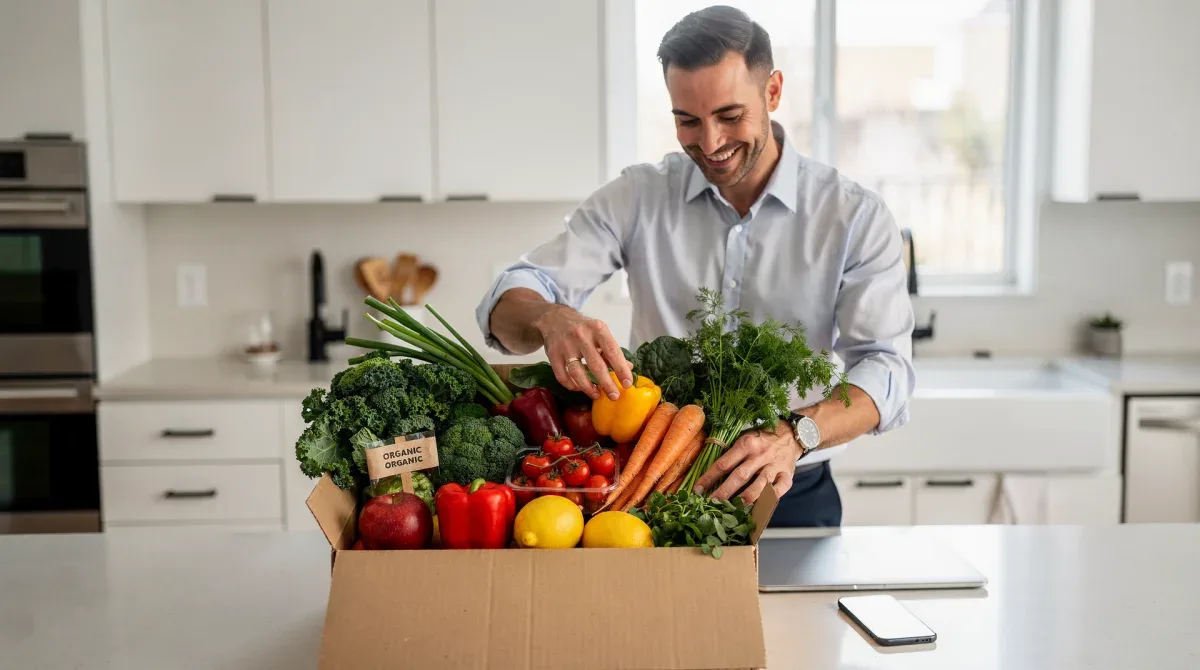
The exponential growth of farm-to-table subscription boxes in 2026 cannot be fully understood without acknowledging the pivotal role of technology and the increasing demand for personalization. Digital platforms have revolutionized how consumers interact with food services, making it easier than ever to discover, subscribe to, and manage these offerings. For busy urbanites, seamless online experiences are not just a luxury but an expectation, and farm-to-table providers have risen to the occasion.
Advanced algorithms and user-friendly interfaces allow these services to offer highly customized experiences. Subscribers can often specify dietary preferences, exclude certain ingredients, or even rate produce to influence future deliveries. This level of personalization transforms a generic food delivery into a bespoke culinary journey, catering precisely to individual tastes and needs, a critical factor for retaining a diverse urban customer base.
Enhancing the customer journey through digital tools
Technology empowers farm-to-table companies to create a superior customer experience, from initial sign-up to post-delivery support.
- Intuitive websites and apps: Easy navigation, clear product descriptions, and simple subscription management are standard.
- Personalized recommendations: AI-driven systems learn preferences, suggesting new produce or recipes based on past choices.
- Efficient logistics: Optimized delivery routes and real-time tracking ensure produce arrives fresh and on schedule, minimizing urban delivery challenges.
Furthermore, social media and digital marketing play a vital role in awareness and community building. Urbanites often discover new trends through their online networks, and visually appealing content showcasing fresh, vibrant produce resonates strongly. The ability to share unboxing experiences or delicious meals prepared with farm-to-table ingredients further amplifies their reach.
In essence, technology acts as the invisible backbone supporting the farm-to-table movement's expansion. It bridges the gap between rural farms and urban tables, making fresh, local food accessible, personalized, and effortlessly integrated into the digital-first lives of city dwellers. This technological sophistication ensures that the convenience factor is consistently met and exceeded, fostering loyalty and driving continued growth.
Community connection and local support
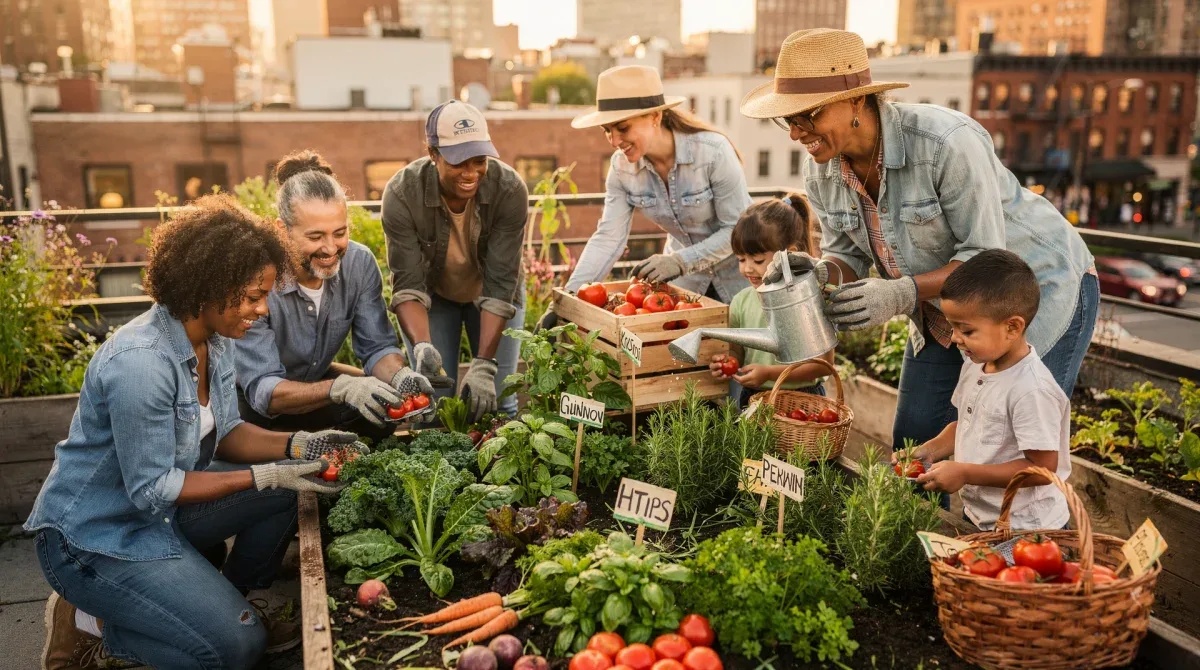
While often perceived as an individualistic choice, subscribing to a farm-to-table box also taps into a deeper human need for community and connection. In sprawling urban environments, where anonymity can sometimes prevail, these services offer a tangible link to local producers and the broader agricultural community. For many urbanites, supporting local farms is not just an economic decision but a way to actively participate in building a more resilient and interconnected food system.
This sense of belonging and contribution is particularly appealing in cities where the connection to food sources can feel distant. Knowing that one's purchase directly benefits a local farmer, rather than a large corporation, fosters a feeling of purpose and shared responsibility. It transforms a simple transaction into a meaningful act of community support, resonating with those who seek to make a positive impact with their consumer choices.
Strengthening the local food ecosystem
Farm-to-table boxes are instrumental in fortifying the local food ecosystem, creating a virtuous cycle that benefits both producers and consumers.
- Direct farmer support: Farmers receive a fairer price for their produce, enabling them to invest in sustainable practices and secure their livelihoods.
- Reduced food miles: Shorter transportation distances not only benefit the environment but also keep more money circulating within the local economy.
- Building relationships: Many services facilitate direct communication or events where subscribers can meet the farmers, further cementing community ties.
Moreover, the shared experience of receiving and cooking with seasonal, local produce can foster connections among urban neighbors. It becomes a conversation starter, a shared interest that builds micro-communities around healthy eating and sustainable living. This communal aspect, though sometimes subtle, significantly contributes to the appeal and retention of farm-to-table subscribers.
The desire for community connection and the impetus to support local businesses are powerful underlying forces driving the growth of farm-to-table subscription boxes. They offer a refreshing antidote to the impersonal nature of modern consumption, providing urban dwellers with a tangible way to feel more connected to their food, their farmers, and their wider community.
Looking ahead: The future of fresh food delivery
The remarkable 22% growth of farm-to-table subscription boxes among busy urbanites in 2026 is not merely a fleeting trend but a clear indicator of a fundamental shift in consumer behavior and expectations. As we look towards the future, it's evident that this model is poised for continued innovation and expansion, further solidifying its place in the urban lifestyle landscape. The demand for fresh, transparently sourced food delivered with ultimate convenience is unlikely to wane; instead, it will likely intensify.
Future developments will likely focus on even greater personalization, integrating AI to predict preferences with uncanny accuracy and offering a wider array of specialty items, from artisanal dairy to ethically raised meats. The logistics will become even more sophisticated, potentially incorporating drone delivery in certain urban zones or advanced cold chain technologies to ensure peak freshness upon arrival. Furthermore, expect to see more partnerships between farm-to-table services and local restaurants or meal kit companies, creating a more integrated food ecosystem.
Anticipated innovations in farm-to-table services
The evolution of farm-to-table services will be driven by technological advancements and a deeper understanding of consumer needs.
- Hyper-localization: Services may focus on ultra-local sourcing, connecting urbanites with farms within their immediate metropolitan area.
- Sustainability certifications: A push for clearer and more comprehensive certifications for sustainable and ethical farming practices will gain traction.
- Educational content integration: More interactive content, like virtual farm tours or cooking classes, will enhance the subscriber experience.
The future of fresh food delivery will also likely see an increased emphasis on subscription flexibility, allowing urbanites to pause, customize, or even swap items with greater ease. This adaptability will be crucial for catering to diverse and ever-changing urban schedules. As environmental concerns grow, the pressure on these services to achieve net-zero carbon footprints and eliminate packaging waste will also intensify, spurring further innovation in sustainable practices.
Ultimately, the trajectory for farm-to-table subscription boxes points towards a future where healthy, sustainable, and locally sourced food is not just a niche option but a readily accessible and highly personalized staple of urban living. The 2026 growth spurt is just the beginning of a transformative journey for how city dwellers connect with their food.
| Key Trend | Impact on Urbanites |
|---|---|
| Authenticity & Health | Direct access to fresh, locally sourced food, fostering trust and transparency. |
| Unmatched Convenience | Doorstep delivery and curated selections save time for busy urban schedules. |
| Sustainability & Ethics | Reduces carbon footprint and supports local economies, aligning with values. |
| Tech & Personalization | Customized deliveries and seamless digital experiences enhance user satisfaction. |
Frequently asked questions about farm-to-table boxes
Why are farm-to-table subscription boxes gaining popularity in urban areas?▼Farm-to-table subscription boxes are popular in urban areas primarily due to the convenience of fresh, local produce delivered to the doorstep. Busy urbanites value the time saved from grocery shopping, the transparency of food sourcing, and the support for sustainable farming practices, all packaged in an easy-to-manage service.
What benefits do busy urbanites find in these subscription services?▼Busy urbanites benefit from unparalleled convenience, guaranteed freshness, and often organic or sustainably grown produce. These boxes also simplify meal planning with curated selections and recipe ideas, reducing decision fatigue and food waste. Additionally, they foster a connection to local agriculture and community.
How do farm-to-table boxes contribute to sustainability?▼Farm-to-table boxes contribute to sustainability by shortening supply chains, which reduces transportation emissions and fossil fuel consumption. They often partner with farms using eco-friendly practices and help minimize food waste through thoughtful curation and recipe guidance, thus promoting a more sustainable food system.
Are farm-to-table subscription boxes more expensive than traditional groceries?▼While initial costs might seem higher than budget grocery stores, many urbanites find long-term value. This includes the superior quality and freshness of produce, reduced impulse buys, less food waste due to planned meals, and the significant time savings, which busy individuals often equate to monetary value. They also support local economies.
What innovations can we expect in farm-to-table services in the coming years?▼Future innovations will likely include greater personalization through AI, offering a wider range of specialty items, and even more sophisticated logistics like hyper-local sourcing and advanced cold chain technology. Expect increased integration with other food services and a stronger emphasis on transparent sustainability certifications.
Conclusion
The remarkable 22% surge in farm-to-table subscription boxes among busy urbanites in 2026 is a testament to a multifaceted consumer demand. It underscores a collective yearning for authentic, healthy food, the indispensable need for convenience in fast-paced urban lives, a growing commitment to environmental stewardship, and a desire for community connection. As technology continues to enhance personalization and logistics, and as consumers become even more discerning about their food choices, the farm-to-table model is poised for sustained growth, fundamentally reshaping how city dwellers access and experience their meals. This trend is not just about food delivery; it's about a lifestyle evolution, prioritizing wellness, sustainability, and efficiency in a rapidly changing world.
