Whole-Home Water Filtration Systems: 3-Stage Under 5-Micron Guide
Selecting the right whole-home water filtration system, particularly those utilizing 3-stage cartridges with under 5-micron filtration, is crucial for achieving superior water quality throughout your entire household.
Investing in a whole-home water filtration system is more than a luxury; it's a commitment to the health and well-being of your household. This guide delves into the specifics of selecting 3-stage cartridges with under 5-micron filtration, providing you with the knowledge to make an informed decision for pristine water quality from every tap.
Understanding whole-home water filtration
A whole-home water filtration system is designed to treat all the water entering your residence, ensuring that every faucet, shower, and appliance receives purified water. Unlike point-of-use filters, which treat water at a single tap, a whole-home system offers comprehensive protection against a wide array of contaminants.
The primary goal of such a system is to improve water quality, addressing concerns ranging from sediment and chlorine to heavy metals and microbial cysts. By filtering water at the point of entry, these systems protect not only your health but also your plumbing and appliances from corrosive elements and mineral buildup, extending their lifespan and reducing maintenance needs.
Why whole-home systems are essential
Many municipal water supplies, while generally safe, can still contain residual chlorine, sediment, and other impurities that affect taste, odor, and even skin and hair health. Private well water, on the other hand, often presents unique challenges, including bacteria, nitrates, and high mineral content, necessitating robust filtration solutions.
- Provides clean water for all uses: drinking, bathing, cooking, and laundry.
- Protects plumbing and appliances from sediment and scale buildup.
- Reduces exposure to chlorine and other chemicals, improving skin and hair health.
- Offers peace of mind with consistently high water quality throughout the home.
Ultimately, a whole-home system elevates your daily water experience, transforming ordinary tap water into a cleaner, safer, and more pleasant resource for every member of your family. It's a foundational upgrade for any home seeking to optimize its water supply.
The importance of 3-stage filtration
Three-stage filtration systems are highly effective because they employ a layered approach to purification, with each stage targeting different types of contaminants. This sequential process ensures that water is progressively cleaned, resulting in a much higher quality output than single-stage filters can achieve. The synergy between different filter types allows for a broader spectrum of impurity removal.
Typically, a 3-stage system includes a sediment filter, followed by a carbon filter, and often a third specialized filter. This combination is designed to tackle a wide range of common water issues, from visible particles to dissolved chemicals, providing a comprehensive solution for improved water purity and taste.
Breaking down the stages
Each stage in a 3-stage filtration system plays a critical role in the overall purification process. Understanding the function of each filter helps in appreciating the system's effectiveness and in selecting the right cartridges for specific water challenges.
- Stage 1: Sediment filtration: This initial stage removes larger particles like sand, silt, rust, and scale. It protects subsequent filters from premature clogging, extending their lifespan and maintaining system efficiency.
- Stage 2: Carbon filtration: Activated carbon filters are highly effective at adsorbing chlorine, chloramines, volatile organic compounds (VOCs), pesticides, herbicides, and other chemicals that cause unpleasant tastes and odors.
- Stage 3: Fine particle or specialized filtration: The third stage often features a finer sediment filter (e.g., under 5 microns) or a specialized filter for specific contaminants such as lead, cysts, or bacteria, providing an extra layer of purification.
The cumulative effect of these three stages is a significant improvement in water quality, making it safer, cleaner, and more enjoyable for all household uses. This multi-stage approach is a cornerstone of effective whole-home water treatment.
Why under 5-micron filtration matters
Micron rating refers to the size of the pores in a filter media, indicating the smallest particle size it can trap. An under 5-micron filter, specifically, is capable of removing particles that are five micrometers or smaller in diameter. To put this into perspective, a human hair is typically 50 to 70 microns thick, meaning a 5-micron filter can capture particles ten times smaller than the width of a human hair.
This level of fine filtration is critical for addressing a broad range of microscopic impurities that can impact both the safety and aesthetic quality of your water. While larger particles are caught by initial sediment filters, the under 5-micron stage targets the finer suspended solids that can still cause turbidity and harbor microorganisms.
Contaminants removed by under 5-micron filters
The ability of filters to remove extremely small particles is what elevates the performance of a whole-home system, making your water noticeably cleaner and clearer. This fine filtration is especially important for protecting against contaminants that might slip through coarser filters.
- Cryptosporidium and Giardia cysts: These parasitic protozoa, often found in contaminated water, are typically 3-10 microns in size. A 5-micron filter effectively reduces their presence, safeguarding against gastrointestinal illnesses.
- Fine sediment and rust particles: Even after initial filtration, very fine silt, clay, and microscopic rust flakes can remain. An under 5-micron filter ensures these are caught, preventing cloudy water and potential damage to appliances.
- Bacteria: While not a complete barrier for all bacteria (some can be smaller than 0.5 microns), a 5-micron filter can significantly reduce bacterial load, especially when combined with other purification methods.
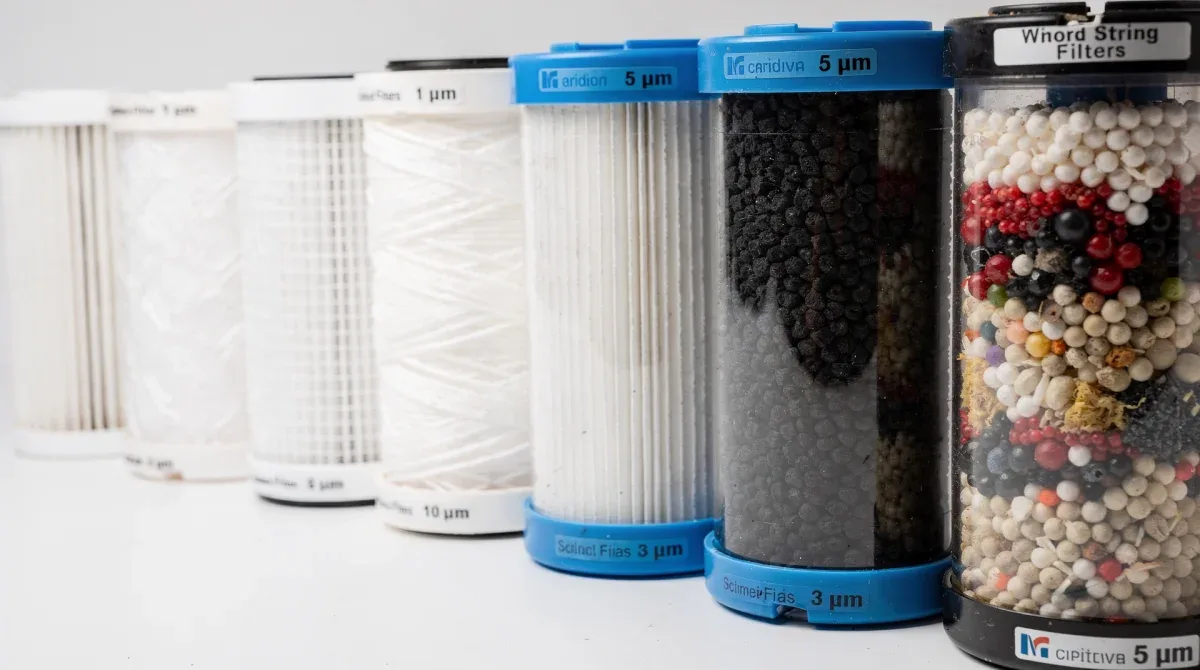
Choosing cartridges with an under 5-micron rating for at least one stage of your whole-home system provides a robust defense against a wide range of microscopic contaminants, ensuring a higher standard of water purity for your family.

Selecting the right 3-stage cartridges
Choosing the appropriate 3-stage cartridges for your whole-home water filtration system requires careful consideration of your specific water quality issues and household needs. Not all cartridges are created equal, and their effectiveness varies depending on the contaminants they are designed to address. A thorough understanding of your water profile is the first step in making an informed selection.
Start by testing your water if you're unsure about its composition. This can be done through professional lab tests or reliable home testing kits. Knowing what's in your water—be it high sediment, chlorine, heavy metals, or specific biological contaminants—will guide you toward the most effective filter combinations.
Factors to consider for cartridge selection
Several key factors should influence your choice of filtration cartridges. Balancing these considerations will help you build a system that delivers optimal performance and value.
- Water test results: This is paramount. If you have hard water, you might consider a softener. If you have specific chemical concerns, specialized media are available.
- Flow rate requirements: Ensure the cartridges and housing can handle your household's peak water demand without significantly reducing water pressure. Larger cartridges generally offer better flow rates and longer lifespans.
- Cartridge lifespan and replacement costs: Evaluate the expected lifespan of each cartridge and the cost of replacements. While some filters last longer, they might also be more expensive upfront. Factor in the long-term operational costs.
- Certifications: Look for certifications from organizations like NSF International (e.g., NSF/ANSI 42 for aesthetic impurities, NSF/ANSI 53 for health-related contaminants, NSF/ANSI 401 for emerging contaminants). These certifications assure that the product meets rigorous standards for performance and safety.
By carefully assessing these factors, you can assemble a 3-stage cartridge system that precisely targets your water challenges, providing efficient and reliable filtration for your entire home.
Installation and maintenance tips
Proper installation and consistent maintenance are crucial for the optimal performance and longevity of your whole-home water filtration system. While some homeowners opt for professional installation, many systems are designed for DIY enthusiasts with basic plumbing knowledge. Regardless of who installs it, adhering to best practices ensures a leak-free and efficient setup.
Before beginning installation, always turn off the main water supply to your home and relieve pressure by opening a nearby faucet. Having the right tools, such as a pipe cutter, thread sealant, and appropriate wrenches, will make the process smoother. Follow the manufacturer's instructions meticulously, paying close attention to the flow direction arrows on the filter housings.
Maintaining your filtration system
Regular maintenance is not just about changing filters; it's about ensuring the entire system operates effectively and safely. Neglecting maintenance can lead to reduced filtration efficiency, decreased water pressure, and even potential health risks if contaminants are not adequately removed.
- Regular filter replacement: Adhere to the manufacturer's recommended replacement schedule for each cartridge. Sediment filters often require more frequent changes (every 3-6 months), while carbon filters might last 6-12 months. Neglecting this leads to clogged filters and reduced performance.
- Housing inspection: Periodically check filter housings for cracks, leaks, or wear. O-rings should be lubricated or replaced if they appear dry or cracked to prevent leaks.
- Sanitization (if applicable): Some systems, especially those treating well water, may benefit from periodic sanitization to prevent bacterial growth within the filter housings. Consult your system's manual for specific recommendations.
- Pressure gauge monitoring: If your system includes pressure gauges, monitor them regularly. A significant drop in pressure often indicates a clogged filter that needs replacement.
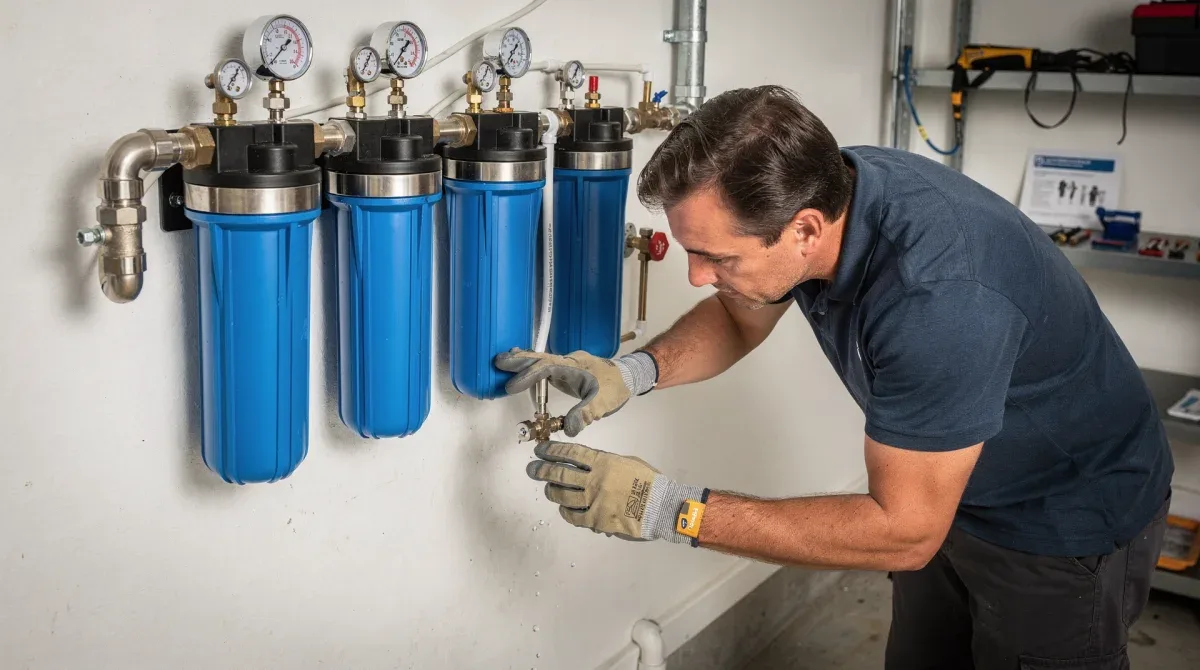
By diligently following these installation and maintenance guidelines, you can ensure your whole-home water filtration system continues to provide clean, safe water for years to come, protecting your family and your home's plumbing infrastructure.
Benefits beyond clean water
While the primary benefit of a whole-home water filtration system is undoubtedly access to cleaner, safer water, its advantages extend far beyond the tap. These systems contribute to a healthier home environment, reduce household expenses, and offer a level of convenience that single-point filters simply cannot match. The ripple effects of improved water quality touch nearly every aspect of daily life.
One significant, often overlooked, benefit is the protection of your plumbing infrastructure and water-using appliances. Sediment, chlorine, and hard water minerals can cause scale buildup and corrosion, leading to costly repairs and reduced efficiency of water heaters, dishwashers, and washing machines. A whole-home filter acts as a preventative measure, extending the lifespan of these valuable assets.
Economic and environmental advantages
Beyond health and appliance protection, whole-home filtration systems offer compelling economic and environmental benefits that contribute to a more sustainable and cost-effective household.
- Reduced bottled water consumption: With high-quality filtered water available from every tap, the need for expensive and environmentally impactful bottled water diminishes significantly, leading to substantial savings over time.
- Extended appliance life: By removing sediment and harsh chemicals, the system protects your water heater, dishwasher, washing machine, and other appliances from damage and premature wear, saving on repair and replacement costs.
- Less chemical exposure: Filtering out chlorine and other chemicals from shower and bath water can lead to healthier skin and hair, potentially reducing the need for specialized, often costly, beauty products to counteract the effects of harsh water.
- Improved taste in food and beverages: Cooking with filtered water enhances the natural flavors of food, and beverages like coffee and tea taste better without the interference of chlorine or other impurities.
Ultimately, a whole-home water filtration system is a holistic investment that not only purifies your water but also enhances your quality of life, saves money, and contributes to a more environmentally friendly lifestyle.
Common misconceptions about water filtration
Despite the growing popularity and clear benefits of whole-home water filtration systems, several misconceptions often deter individuals from making this valuable investment. Addressing these myths is crucial for homeowners to fully understand the capabilities and necessity of comprehensive water treatment.
One common belief is that municipal tap water is perfectly safe and doesn't require further filtration. While public water systems adhere to regulations, they don't always remove all contaminants, especially aesthetic ones like chlorine taste or microscopic particles that, while not immediately harmful, can impact water quality and appliance longevity. Furthermore, water quality can vary significantly due to aging infrastructure or localized issues.
Debunking common filtration myths
Dispelling these myths helps clarify the true value and effectiveness of advanced water filtration solutions.
- Myth: All filters are the same: This is far from true. Filters vary widely in their micron rating, media type (sediment, carbon, KDF, etc.), and the specific contaminants they target. A 3-stage system with under 5-micron filtration is significantly more comprehensive than a simple pitcher filter.
- Myth: Filters waste water: While some advanced filtration systems like reverse osmosis produce some wastewater, whole-home sediment and carbon filters typically do not. They are flow-through systems that treat all incoming water without significant waste.
- Myth: Filters remove beneficial minerals: Basic sediment and carbon filters, especially those in 3-stage whole-home systems, are designed to remove harmful contaminants while generally leaving beneficial minerals like calcium and magnesium intact. Only specific systems, like reverse osmosis, might remove a broader spectrum of minerals, which can then be re-mineralized.
- Myth: Filtration systems are too expensive: While there's an initial investment, the long-term savings from reduced bottled water purchases, extended appliance life, and potential health benefits often outweigh the upfront cost, making it a cost-effective solution over time.
Understanding the facts about water filtration empowers homeowners to make informed decisions, ensuring they invest in systems that truly meet their needs and provide the expected benefits without succumbing to misinformation.
| Key Aspect | Brief Description |
|---|---|
| 3-Stage Filtration | Sequential removal of sediment, chemicals (chlorine, VOCs), and fine particles for comprehensive water purification. |
| Under 5-Micron Rating | Filters out extremely small particles, including Cryptosporidium, Giardia cysts, and fine sediment, enhancing water safety. |
| Cartridge Selection | Based on water test results, flow rate needs, lifespan, and certifications (NSF/ANSI) for optimal performance. |
| Maintenance | Regular filter replacement, housing inspection, and pressure monitoring are essential for system efficiency and longevity. |
Frequently asked questions about whole-home water filtration
What is a whole-home water filtration system?▼A whole-home water filtration system treats all water entering your house, providing filtered water to every tap, shower, and appliance. It's installed at the main water line, ensuring comprehensive purification against various contaminants like sediment, chlorine, and other impurities.
Why is 3-stage filtration better than 1-stage?▼Three-stage filtration offers a layered approach, with each stage targeting different contaminants, providing more thorough purification. A typical 3-stage system includes sediment, carbon, and a finer or specialized filter, ensuring a broader spectrum of impurity removal compared to a single-stage unit.
What does "under 5-micron filtration" mean?▼Under 5-micron filtration means the filter can effectively capture particles five micrometers or smaller in diameter. This fine level of filtration is crucial for removing microscopic impurities like fine sediment, rust particles, and parasitic cysts such as Cryptosporidium and Giardia, significantly improving water clarity and safety.
How often should I replace cartridges in a 3-stage system?▼Replacement frequency varies by cartridge type and water quality. Sediment filters typically need changing every 3-6 months, while carbon filters can last 6-12 months. Always consult your system's manufacturer guidelines and monitor water pressure, as a drop often indicates a clogged filter.
Can a whole-home filter remove hard water minerals?▼Standard whole-home sediment and carbon filters primarily remove impurities like chlorine, sediment, and VOCs, but they generally do not soften water. To address hard water minerals (calcium and magnesium), a dedicated water softener or a specialized scale-inhibiting cartridge would need to be integrated into or alongside your filtration system.
Conclusion
Choosing a whole-home water filtration system, especially one equipped with 3-stage cartridges and under 5-micron filtration, represents a significant step towards ensuring superior water quality throughout your residence. This comprehensive approach not only safeguards your family's health by removing a wide array of contaminants but also protects your plumbing infrastructure and appliances, extending their lifespan and reducing maintenance costs. By understanding the nuances of filter selection, adhering to proper installation, and committing to regular maintenance, homeowners can enjoy the invaluable benefits of clean, safe, and great-tasting water from every tap, transforming their daily water experience and contributing to a healthier, more sustainable home environment.
