90-Minute Evening Protocol: Reset Circadian Lighting for Sleep
The 90-minute evening protocol leverages strategic circadian lighting to effectively reset modern daily sleep routines, synchronizing your internal body clock for enhanced rest and improved overall health.
In our fast-paced modern world, quality sleep often feels like a luxury rather than a necessity. The constant glow of screens, artificial indoor lighting, and erratic schedules disrupt our natural biological rhythms, leaving many feeling perpetually tired. However, a revolutionary approach known as the 90-minute evening protocol: how circadian lighting resets modern daily sleep routines offers a powerful solution. This article delves into how strategically managing light exposure in the crucial 90 minutes before bed can profoundly impact your sleep quality and overall well-being, aligning your body with its innate sleep-wake cycle.
Understanding the Circadian Rhythm and its Lighting Connection
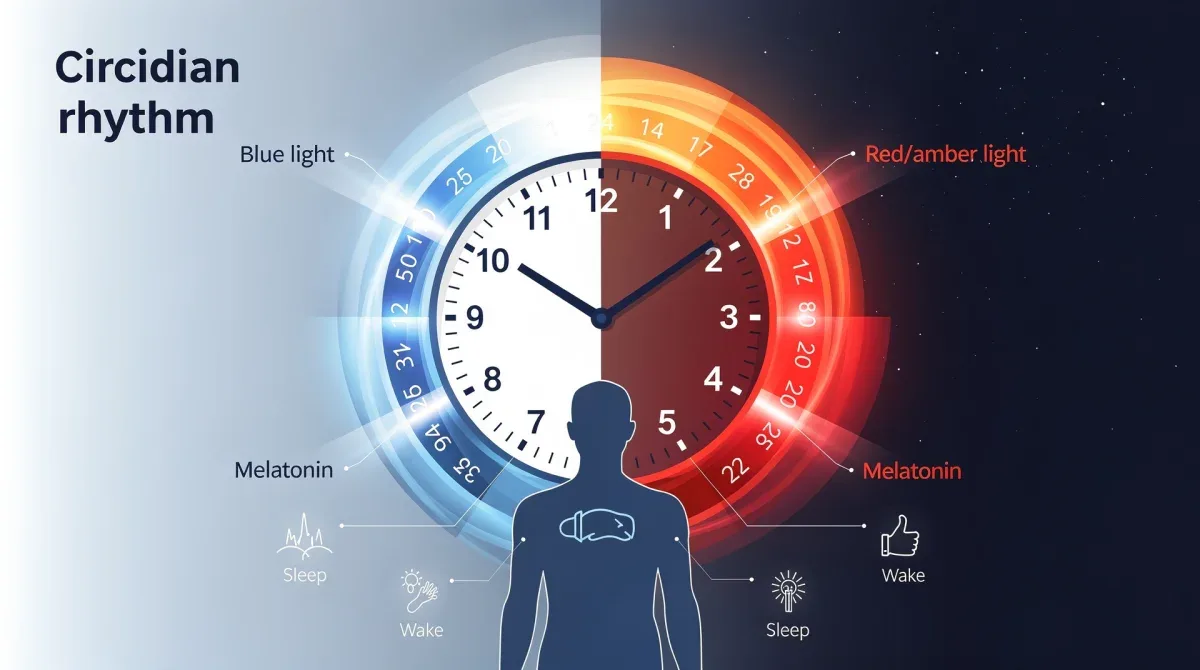
Our bodies operate on an intricate internal clock, the circadian rhythm, which dictates our sleep-wake cycles, hormone production, and even cognitive function. This rhythm is profoundly influenced by light, particularly the blue light spectrum prevalent in daylight and electronic screens. Disruptions to this natural light-dark cycle can lead to sleep disorders, fatigue, and various health issues.
Historically, humans lived in sync with the sun, experiencing bright blue-rich light during the day and natural darkness at night. The advent of artificial lighting, especially LED technology, has flooded our evenings with light that mimics daytime, signaling to our brains that it's still alert time. This extended exposure to stimulating light suppresses melatonin, the hormone crucial for initiating sleep, making it harder to fall asleep and achieve restorative rest.
The Role of Melatonin in Sleep
Melatonin is often referred to as the 'hormone of darkness' because its production is triggered by decreasing light levels. As evening approaches, our pineal gland begins to release melatonin, signaling to our body that it's time to prepare for sleep. This natural process is easily interrupted by artificial light sources.
- Blue Light Suppression: Exposure to blue light in the evening is particularly potent in suppressing melatonin production.
- Red Light Promotion: Conversely, warm, red-spectrum light has minimal impact on melatonin and can even be calming.
- Consistent Release: A regular sleep schedule, supported by appropriate light exposure, helps maintain consistent melatonin release.
The intricate dance between light, melatonin, and our circadian rhythm highlights the importance of managing our evening environment. Understanding this fundamental connection is the first step towards implementing effective strategies, such as the 90-minute evening protocol, to reclaim control over our sleep health and restore our natural biological clock.

The Science Behind the 90-Minute Evening Protocol
The 90-minute evening protocol is not an arbitrary number but a carefully considered timeframe based on physiological responses to light and the body's natural preparation for sleep. This specific duration allows for significant reduction in light-induced melatonin suppression, giving the body ample opportunity to transition into a sleep-ready state.
Research indicates that it takes time for the brain to register the shift from stimulating light to darkness and begin its melatonin production process effectively. A sudden change from bright, blue-rich light to complete darkness can be jarring, whereas a gradual reduction in light intensity and a shift in spectrum allows for a smoother, more natural transition, mimicking the natural sunset our ancestors experienced.
How Light Impacts Sleep Cycles
Beyond melatonin, light also influences our sleep architecture, the progression through different sleep stages. Disrupting the circadian rhythm with improper evening light can lead to fragmented sleep, less time in deep sleep, and reduced REM sleep, all critical for physical and mental restoration. The protocol aims to optimize these cycles.
- Deep Sleep Enhancement: Proper evening light management contributes to longer periods of deep, restorative sleep.
- REM Sleep Quality: By reducing sleep onset latency, the protocol can improve the quality and duration of REM sleep.
- Circadian Alignment: Consistently following the protocol helps to reinforce and stabilize the body's natural sleep-wake timing.
By consciously controlling our light environment during this critical 90-minute window, we are essentially sending clear signals to our brain that it is time to wind down. This proactive approach helps to reset and reinforce healthy sleep patterns, counteracting the pervasive effects of modern artificial illumination on our delicate biological clocks.
Implementing Circadian Lighting in Your Home
Transforming your home into a circadian-friendly environment doesn't require a complete overhaul; rather, it involves strategic adjustments to your lighting. The goal is to reduce blue light exposure and introduce warmer, less stimulating light sources as evening approaches. This creates a gradual transition that supports your body's natural melatonin production.
Start by identifying the primary light sources in your evening routine. This includes overhead lights, lamps, and most importantly, electronic screens. Small changes can make a significant difference, such as swapping out standard bulbs for smart bulbs that can adjust color temperature or using dedicated blue-light blocking solutions. Consistency is key to seeing the benefits of these changes.
Practical Lighting Solutions for the Evening
There are numerous products and strategies available to help you implement circadian lighting effectively. These range from simple, affordable changes to more sophisticated smart home integrations. The key is to find what works best for your lifestyle and budget while adhering to the principles of reduced blue light and warmer hues.
- Smart Bulbs: Invest in smart LED bulbs that allow you to control color temperature and brightness via an app or voice command.
- Blue-Light Blocking Glasses: For unavoidable screen time, specialized amber-tinted glasses can filter out harmful blue light.
- Dimmer Switches: Install dimmer switches on your main light fixtures to gradually reduce light intensity.
- Red/Amber Night Lights: Use low-wattage red or amber night lights for essential nighttime navigation without disrupting sleep.
Implementing circadian lighting is a tangible step towards better sleep. By consciously choosing light sources and adjusting their intensity and color, you actively participate in regulating your body's internal clock, paving the way for more restful nights and more energetic days. It’s about creating an environment that supports your natural physiology.
Beyond Lighting: Enhancing the 90-Minute Evening Protocol
While circadian lighting is the cornerstone of the 90-minute evening protocol, its effectiveness can be significantly amplified by incorporating other complementary practices. The goal is to create a holistic wind-down routine that signals to your body and mind that it's time to disconnect from the day's stresses and prepare for deep rest. These additional elements help consolidate the benefits of light management.
Think of the 90 minutes before bed as a sacred time dedicated to self-care and relaxation. This period should be free from stimulating activities, intense work, or emotionally charged conversations. Instead, focus on calming rituals that promote tranquility and reduce physiological arousal. Consistency in these practices will strengthen the body's association of this timeframe with impending sleep.
Creating a Pre-Sleep Ritual
Developing a consistent pre-sleep ritual is crucial for priming your body and mind for sleep. This ritual should be personalized to your preferences but generally include activities that are relaxing and non-stimulating. The combination of appropriate lighting and calming activities creates a powerful synergy for sleep induction.
- Warm Bath or Shower: A warm bath or shower can help lower your core body temperature slightly after you exit, promoting sleep.
- Reading a Physical Book: Engaging with a physical book under dim, warm light can be a soothing alternative to screen time.
- Gentle Stretching or Yoga: Light stretching or restorative yoga can release physical tension without being overly stimulating.
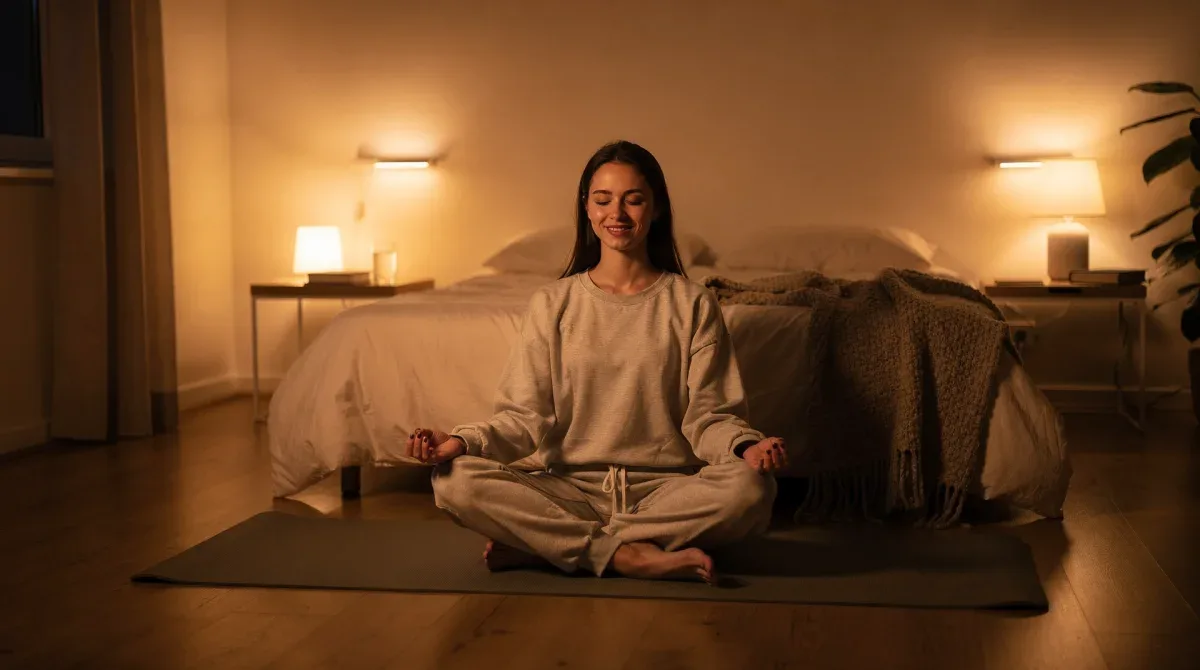
- Mindfulness and Meditation: Short meditation sessions can calm the mind and reduce anxiety, making it easier to fall asleep.
- Journaling: Writing down thoughts or concerns can help clear your mind before bed.
By integrating these practices with your circadian lighting adjustments, you create a comprehensive evening protocol that addresses multiple facets of sleep preparation. This multi-pronged approach not only enhances sleep quality but also contributes to overall stress reduction and mental well-being, making the transition from day to night a much smoother and more restorative experience.
Common Pitfalls and How to Avoid Them
Implementing a new routine, especially one that challenges long-standing habits, can present its own set of difficulties. The 90-minute evening protocol is no exception. Many individuals encounter common pitfalls that can hinder their progress and undermine the benefits of circadian lighting. Awareness of these challenges is the first step toward successfully navigating them and establishing a sustainable sleep-enhancing regimen.
One of the most significant hurdles is the pervasive presence of blue light-emitting devices in our lives. Our reliance on smartphones, tablets, and computers for work, entertainment, and communication makes it difficult to disconnect. Additionally, the temptation to revert to old habits, especially when tired or stressed, can derail even the most well-intentioned efforts. Understanding these obstacles allows for proactive strategies to overcome them.
Strategies for Overcoming Challenges
Successfully adopting the 90-minute evening protocol requires discipline and strategic planning. It's not about perfection but rather consistent effort and finding practical ways to integrate these changes into your daily life. Small, incremental adjustments can lead to significant long-term improvements in sleep quality and overall health.
- Designate a 'Screen-Free Zone': Establish a rule for no screens in the bedroom or for the last 90 minutes before bed.
- Automate Lighting: Use smart home systems to schedule lights to dim and change color temperature automatically.
- Communicate with Family: Explain the protocol to family members so they can support your efforts and understand your routine.
- Prepare in Advance: Charge devices outside the bedroom and have alternative activities (books, puzzles) ready for the evening.
- Be Patient and Persistent: It takes time for your body to adjust to new routines. Don't get discouraged by occasional setbacks.
By anticipating these common pitfalls and arming yourself with effective strategies, you can increase your chances of success with the circadian lighting protocol. It's about making conscious choices that prioritize your sleep health and gradually retraining your body to embrace its natural rhythms, leading to more consistent, restorative sleep.
Long-Term Benefits of Circadian Lighting and Sleep Protocols
The immediate benefits of adopting the 90-minute evening protocol—easier sleep onset, deeper sleep, and waking up feeling refreshed—are compelling. However, the true power of consistent circadian lighting management extends far beyond these short-term improvements. Embracing this protocol as a lifestyle choice can unlock a cascade of long-term health advantages, profoundly impacting various aspects of your physical and mental well-being.
Chronic sleep deprivation and circadian rhythm disruption are linked to a host of serious health issues, including increased risk of cardiovascular disease, diabetes, obesity, and mental health disorders. By consciously resetting and maintaining a healthy circadian rhythm through strategic lighting, you are not just improving your sleep; you are investing in your long-term health and resilience. It's a foundational element of preventative health care in the modern age.
Holistic Health Improvements
The benefits of a well-regulated circadian rhythm permeate nearly every bodily system. When your internal clock is in sync, your body functions more efficiently, from hormone regulation to immune response. This holistic improvement contributes to a greater sense of vitality and overall quality of life.
- Enhanced Cognitive Function: Improved sleep leads to better memory, focus, and problem-solving abilities.
- Mood Regulation: A stable circadian rhythm is linked to reduced symptoms of anxiety and depression.
- Stronger Immune System: Quality sleep is essential for a robust immune response, helping the body fight off illness.
- Metabolic Health: Regular sleep patterns contribute to better blood sugar control and a healthier metabolism.
- Hormonal Balance: Proper light exposure supports the balanced production of essential hormones beyond melatonin, including cortisol.
The long-term commitment to circadian lighting and sleep protocols is an investment in your health that yields substantial returns. It moves beyond merely addressing symptoms of poor sleep to tackling the root cause of many modern health challenges. By prioritizing natural light cycles, we empower our bodies to perform optimally, fostering a life of greater energy, mental clarity, and enduring well-being.
Integrating the Protocol into a Busy Lifestyle
One of the most common concerns regarding any new health regimen is how it fits into an already packed schedule. The 90-minute evening protocol, while impactful, might seem daunting initially for those with demanding jobs, family responsibilities, or active social lives. However, integration is entirely feasible with careful planning and a commitment to prioritizing sleep health. It's about finding flexible ways to adapt the principles to your unique circumstances.
The key lies in consistency rather than rigid adherence to an exact minute-by-minute schedule. Even if you cannot perfectly implement every aspect every single night, making a conscious effort to dim lights, reduce screen time, and engage in calming activities for a significant portion of the 90-minute window will still yield benefits. Small, consistent steps accumulate over time to create substantial positive change in your sleep patterns and overall health.
Flexible Adaptations for Modern Living
Modern life demands adaptability, and the circadian lighting protocol can be adjusted to suit various routines without losing its core effectiveness. The goal is to minimize disruptive light and maximize relaxation during the pre-sleep phase, even if the exact timing or duration varies slightly from day to day.
- Weekend Reset: Use weekends or less busy evenings to fully commit to the protocol, helping to reinforce your circadian rhythm.
- Phased Implementation: Start by reducing screen time for 30 minutes before bed, then gradually extend to 60 or 90 minutes.
- Portable Solutions: Carry blue-light blocking glasses for travel or when working late in brightly lit environments.
- Family Involvement: Make the evening wind-down a family activity, encouraging everyone to participate in calming rituals.
- Prioritize and Compromise: Identify the most impactful changes you can make and focus on those consistently, accepting that perfection isn't always attainable.
Ultimately, integrating the 90-minute evening protocol into a busy lifestyle is about making conscious choices that reflect your commitment to sleep health. It requires a shift in mindset, viewing this pre-sleep period as essential for recovery and well-being, rather than just downtime. By finding practical and flexible ways to apply these principles, you can successfully reset your modern daily sleep routines and reap the profound benefits of a well-aligned circadian rhythm.
| Key Aspect | Brief Description |
|---|---|
| Circadian Rhythm | The body's natural 24-hour cycle, heavily influenced by light, regulating sleep-wake patterns. |
| 90-Minute Protocol | Dedicated period before bed to reduce stimulating light and engage in calming activities. |
| Circadian Lighting | Strategic use of light (dim, warm hues, low blue light) to support melatonin production. |
| Melatonin Production | Hormone essential for sleep onset, suppressed by bright, blue-rich light in the evening. |
Frequently Asked Questions About Circadian Lighting
What is circadian lighting?▼Circadian lighting refers to lighting systems designed to support the human circadian rhythm. It typically involves dynamic light sources that mimic natural daylight cycles, providing bright, blue-rich light during the day and transitioning to dim, warm, blue-light-reduced illumination in the evening to promote healthy sleep patterns.
Why is blue light bad before bed?▼Blue light, prevalent in electronic screens and many artificial lights, signals to your brain that it's daytime. Exposure to blue light in the evening actively suppresses the production of melatonin, the hormone responsible for initiating sleep. This makes it harder to fall asleep and can disrupt the quality of your rest.
How quickly can I see results from the 90-minute protocol?▼Some individuals report feeling more rested and falling asleep easier within a few days of consistently implementing the 90-minute evening protocol. However, significant and sustained improvements in sleep quality and circadian rhythm alignment typically take several weeks to a few months of consistent practice. Patience and persistence are key.
Do I need special equipment for circadian lighting?▼While smart bulbs with color temperature control and blue-light blocking glasses are highly effective, you don't necessarily need special equipment to start. Simple steps like dimming existing lights, using lower-wattage lamps with warm-toned bulbs, and minimizing screen use in the evening can make a significant positive impact on your sleep health.
Can children benefit from circadian lighting protocols?▼Absolutely. Children are often even more sensitive to light's effects on melatonin production than adults. Implementing a 90-minute evening protocol with dim, warm lighting and screen-free activities can significantly improve their sleep quality, mood, and overall development. Establishing these habits early can foster lifelong healthy sleep patterns.
Conclusion
The modern world, with its relentless artificial illumination and demanding schedules, has inadvertently waged war on our natural sleep cycles. However, the 90-minute evening protocol, anchored in the strategic use of circadian lighting, offers a powerful and accessible path to reclaim restorative sleep. By consciously managing our light environment and embracing calming pre-sleep rituals, we can effectively reset our internal body clocks, enhance melatonin production, and unlock a cascade of benefits for our physical and mental well-being. This isn't merely about better sleep; it's about re-harmonizing with our fundamental biology, ensuring that our bodies and minds receive the profound restoration they inherently need to thrive in an increasingly complex world. Embracing this protocol is a vital step towards a healthier, more energized future.
