Ditching Screens: Rise of Analog Hobby Communities in US
A significant 40% increase in analog hobby communities across the US reflects a growing trend of individuals seeking tactile, in-person engagement over digital interactions, fostering stronger social bonds and personal well-being.
In an increasingly digital world, a surprising counter-trend is gaining significant momentum: the resurgence of analog hobby communities. Across the United States, there's been a remarkable 40% rise in groups dedicated to traditional, screen-free activities, signaling a collective yearning for tactile experiences and genuine human connection.
The Digital Detox Phenomenon: Why People are Ditching Screens
The pervasive nature of digital screens in our daily lives has led to a widespread sense of digital fatigue. From smartphones to tablets, computers to smart TVs, constant exposure to glowing rectangles has become the norm, yet many are realizing the toll it takes on their mental health, attention spans, and social interactions.
This growing awareness is fueling a significant movement towards intentional screen reduction. People are actively seeking ways to disconnect from the virtual realm and reconnect with the tangible world around them. This isn't just about reducing usage; it's about a fundamental shift in how leisure time is perceived and utilized.
Understanding the Impact of Excessive Screen Time
Excessive screen time has been linked to numerous negative outcomes, affecting individuals of all ages. The constant barrage of information, notifications, and social media comparisons can lead to increased stress and anxiety.
- Mental Health: Prolonged screen use can contribute to feelings of loneliness, depression, and comparison-induced anxiety.
- Cognitive Function: Reduced attention spans and difficulty focusing are common complaints among heavy screen users.
- Physical Health: Sedentary lifestyles, eye strain, and disrupted sleep patterns are direct consequences of too much digital engagement.
- Social Disconnect: While digital platforms promise connection, they often lead to superficial interactions, replacing deeper, in-person relationships.

The desire for a healthier, more balanced existence is a powerful motivator for many to explore alternatives. The appeal of analog hobbies lies in their ability to offer a direct antidote to these digital ailments.
Ultimately, the digital detox phenomenon is a testament to our innate need for balance. As technology continues to advance, so too does our understanding of its potential downsides, prompting a return to simpler, more grounded forms of engagement that nourish the mind, body, and soul.
Rediscovering the Joy of Tactile Creations and Offline Engagement
The allure of analog hobbies often stems from the profound satisfaction of creating something with one's own hands, or engaging in activities that require physical presence and direct interaction. This rediscovery of tactile and offline engagement offers a refreshing contrast to the often abstract and intangible nature of digital pursuits.
There's a unique sense of accomplishment in holding a finished knitted scarf, seeing a painting come to life on canvas, or feeling the texture of a perfectly thrown pottery piece. These experiences engage different parts of our brains and senses, providing a deeper, more embodied form of satisfaction.
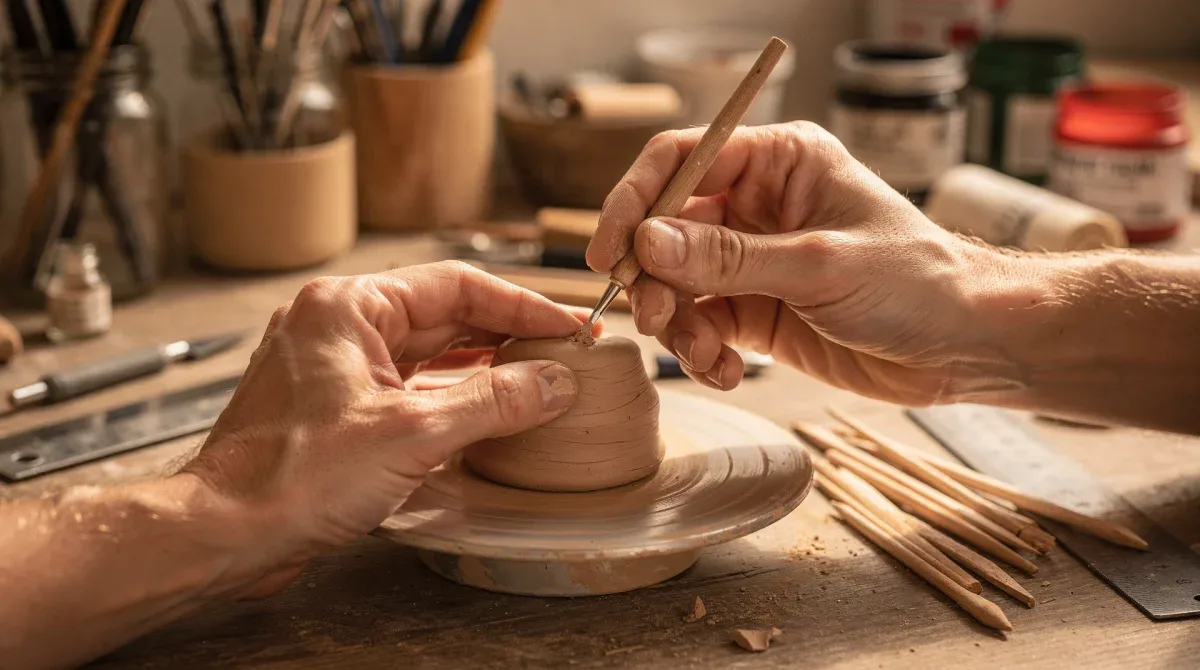
Beyond creation, offline engagement in activities like board games, gardening, or book clubs fosters a sense of presence and mindfulness. Without the constant distractions of notifications and alerts, individuals can fully immerse themselves in the activity and the company of others.
The Appeal of Hands-On Activities
The human brain is wired for hands-on learning and interaction. From childhood, we explore the world through touch, manipulation, and physical engagement. Analog hobbies tap into this fundamental aspect of human experience, providing a rich sensory input that digital interfaces often lack.
- Skill Development: Learning a new craft or skill, like woodworking or calligraphy, builds practical abilities and boosts self-esteem.
- Sensory Stimulation: The feel of clay, the smell of fresh paint, the sound of knitting needles – these sensory details enrich the experience.
- Mindfulness: Focusing on a repetitive, tactile task can be a meditative practice, reducing stress and promoting mental calm.
- Tangible Results: Unlike digital achievements, analog hobbies yield physical objects or observable progress, offering concrete proof of effort.
This shift isn't about rejecting technology entirely, but rather about consciously choosing activities that provide a different kind of fulfillment. It's about finding balance and recognizing the value of experiences that stimulate our senses and connect us to the physical world.
The resurgence of interest in tactile creations and offline engagement underscores a fundamental human need for meaningful, tangible interaction. As we navigate an increasingly digital landscape, the simple joys of making and doing by hand offer a powerful antidote to screen fatigue and a path to deeper personal satisfaction.
The Power of Community: Connecting in the Real World
One of the most compelling aspects of the rise in analog hobbies is the inherent community building that accompanies them. These activities often thrive in group settings, providing a much-needed antidote to the isolation that can sometimes accompany excessive digital interaction. The shared passion for a craft or activity creates a natural bridge for real-world connections.
Whether it's a knitting circle, a Dungeons & Dragons group, a local pottery class, or a vintage camera club, these communities offer a space for individuals to interact face-to-face, share knowledge, and build genuine friendships. This human element is often cited as a primary reason for joining such groups, transcending the mere pursuit of a hobby.
Fostering Authentic Social Bonds
Unlike superficial online interactions, analog hobby communities encourage authentic social bonds. Participants engage in shared experiences, offering mutual support, encouragement, and laughter. These interactions are often richer and more nuanced than those conducted through screens.
- Shared Learning: Members often teach and learn from each other, fostering a collaborative and supportive environment.
- Emotional Support: Group activities provide a sense of belonging and camaraderie, which can combat feelings of loneliness.
- Face-to-Face Interaction: Direct eye contact, body language, and immediate feedback enhance communication and understanding.
- Accountability and Motivation: Being part of a group can provide the motivation to stick with a hobby and attend regular meetups.
The structured nature of many analog hobbies also means that interactions are often purposeful and focused, allowing for deeper conversations and connections to form over time. The shared goal or activity provides a common ground that facilitates relationship building.
The power of these communities extends beyond the hobby itself. They become vital social hubs, offering a sense of identity and belonging that can be profoundly enriching. In a world craving genuine connection, analog hobby communities are proving to be powerful vehicles for fostering real-world relationships and strengthening social fabric.
Popular Analog Hobbies Experiencing a Resurgence
The landscape of analog hobbies is incredibly diverse, with a wide array of activities capturing the attention of those looking to step away from their screens. While some traditional pastimes have seen a steady following, others are experiencing a significant resurgence, attracting new generations of enthusiasts.
This renewed interest spans across various categories, from intricate crafts to strategic games and outdoor pursuits. What unites them is their emphasis on hands-on engagement, social interaction, and a break from digital demands.
Key Trends in Analog Hobbies
Several types of analog hobbies are particularly popular, each offering unique benefits and attracting distinct communities. These trends highlight a broader desire for skill development, creative expression, and intellectual stimulation.
- Crafts and DIY: Knitting, crocheting, pottery, quilting, scrapbooking, and woodworking have seen a massive uptick. These activities allow for creative expression and the production of tangible items.
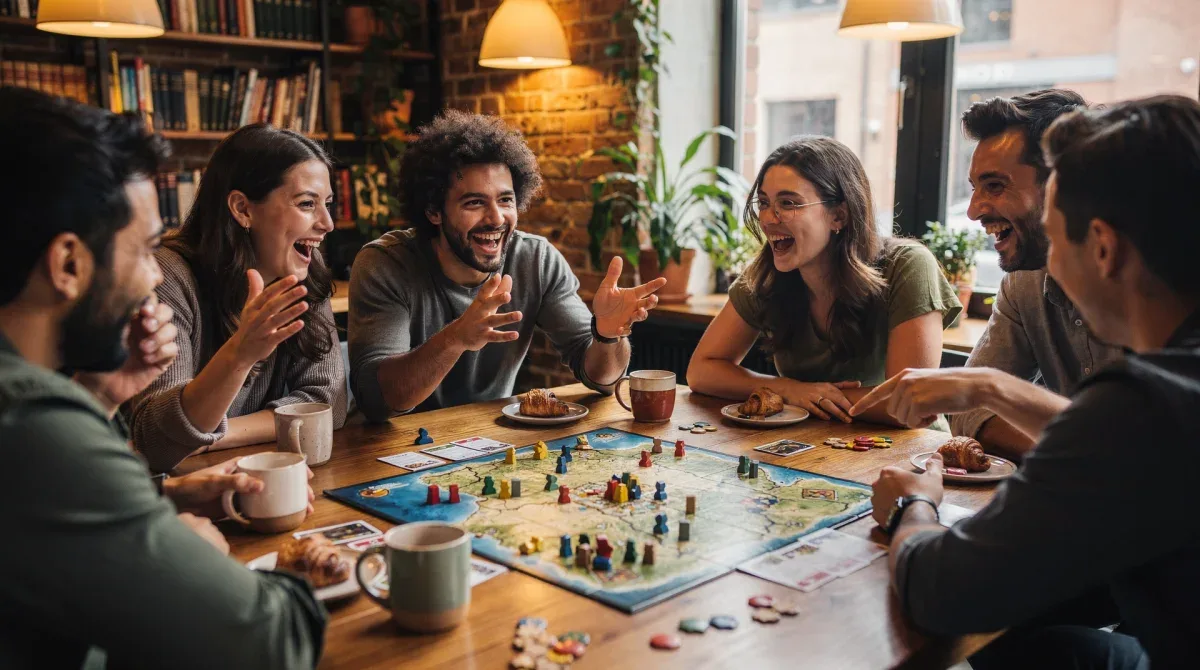
- Board Games and Tabletop RPGs: Beyond classic chess or checkers, complex modern board games and role-playing games like Dungeons & Dragons foster strategic thinking and intense social interaction.
- Outdoor and Nature Hobbies: Bird watching, gardening, hiking clubs, and urban foraging groups connect individuals with nature and provide physical activity.
- Traditional Arts: Drawing, painting, calligraphy, photography (especially film photography), and creative writing groups offer avenues for artistic expression and skill refinement.
The appeal of these hobbies often lies in their accessibility and the relatively low barrier to entry, even for beginners. Many communities welcome newcomers, providing guidance and resources to help them get started. This inclusive environment further fuels their growth.
The diverse range of popular analog hobbies demonstrates a collective desire to engage in meaningful activities that provide personal satisfaction, foster creativity, and build strong social ties, all while offering a much-needed respite from the digital world.
The Mental and Physical Benefits of Screen-Free Activities
Beyond the social aspects, engaging in analog hobbies offers a wealth of mental and physical health benefits that directly counter the drawbacks of excessive screen time. These activities provide a holistic approach to well-being, nurturing different facets of our health.
From reducing stress and improving cognitive function to enhancing fine motor skills and promoting physical activity, the advantages are numerous and well-documented. Embracing screen-free pastimes is not merely a leisure choice but a proactive step towards a healthier lifestyle.
Health Advantages of Analog Engagement
The deliberate act of engaging in a non-digital activity can lead to significant improvements in various areas of life. These benefits are often cumulative, growing stronger with consistent participation.
- Stress Reduction: Repetitive, focused tasks like knitting or painting can be meditative, lowering cortisol levels and promoting relaxation.
- Improved Cognitive Function: Activities like puzzles, board games, or learning a new language stimulate critical thinking, problem-solving, and memory.
- Enhanced Fine Motor Skills: Crafts such as model building, calligraphy, or intricate sewing projects improve dexterity and hand-eye coordination.
- Better Sleep Quality: Reducing screen time, especially before bed, helps regulate melatonin production, leading to more restful sleep.
- Increased Physical Activity: Hobbies like gardening, hiking, or even attending in-person classes involve movement and reduce sedentary behavior.
Moreover, the sense of accomplishment derived from completing a project or mastering a skill can significantly boost self-esteem and overall mood. This positive feedback loop encourages continued engagement and further personal growth.
The mental and physical benefits of screen-free activities are a powerful testament to their value. As more people recognize these advantages, the trend of embracing analog hobbies is likely to continue its upward trajectory, contributing to a healthier, more balanced society.
Finding Your Analog Niche: How to Join a Community
For those inspired to join the movement and explore analog hobbies, finding the right community is key. The good news is that with the 40% rise in these groups, resources and opportunities to connect are more abundant than ever. The process can be both exciting and rewarding, opening doors to new skills and friendships.
Starting your search involves a bit of exploration and openness to trying new things. Whether you have a specific hobby in mind or are simply looking for a new way to connect, there are various avenues to discover your perfect analog niche.
Steps to Discover and Join Analog Hobby Groups
Identifying and integrating into an analog hobby community doesn't have to be daunting. A structured approach can help you find groups that align with your interests and availability.
- Local Community Centers: Many towns and cities offer classes and group meetups for various crafts, arts, and games. Check their schedules and offerings.
- Online Meetup Platforms: Websites and apps like Meetup.com host thousands of groups for every conceivable hobby, allowing you to search by interest and location.
- Specialty Stores: Local craft stores, game shops, bookstores, and art supply stores often have bulletin boards or host events for hobbyists.
- Social Media Groups: While paradoxical, many local analog hobby groups use platforms like Facebook to organize and announce in-person gatherings. Search for groups in your area.
- Word of Mouth: Talk to friends, family, and colleagues. You might be surprised by who is already involved in a local analog community.
Don't be afraid to try a few different groups or activities before settling on one. The goal is to find a community where you feel comfortable, engaged, and truly connected. The journey of discovery is part of the fun.
Ultimately, finding your analog niche is about more than just picking a hobby; it's about discovering a sense of belonging and enriching your life through meaningful, screen-free interactions. With a little effort, anyone can tap into the vibrant world of analog hobby communities.
| Key Aspect | Brief Description |
|---|---|
| Rise in Analog Hobbies | 40% increase in communities across the US, signifying a return to tactile activities. |
| Digital Detox Motivation | Driven by digital fatigue, stress, and a desire for authentic connection. |
| Community & Connection | Fosters real-world social bonds, shared learning, and mutual support. |
| Benefits | Includes stress reduction, improved cognitive function, and enhanced social well-being. |
Frequently Asked Questions About Analog Hobbies
What exactly are analog hobby communities?▼Analog hobby communities are groups of individuals who gather in person to engage in traditional, screen-free activities. These can range from knitting circles and board game clubs to pottery classes and hiking groups, all focused on tactile experiences and direct human interaction.
Why is there a sudden rise in these communities?▼The rise is largely attributed to digital fatigue and a desire for authentic connection. Many people are seeking to reduce screen time, improve mental well-being, and find meaningful social interactions that are often lacking in purely digital environments.
What are the main benefits of joining an analog hobby community?▼Benefits include improved mental health through reduced screen time, enhanced cognitive functions, development of new skills, stress reduction, and the formation of strong, genuine social bonds through shared interests and face-to-face interaction.
Are analog hobbies only for older generations?▼Absolutely not. While traditional, analog hobbies appeal to all ages, many younger generations are actively embracing them as a form of digital detox and a way to connect authentically. Groups often include diverse age ranges, fostering intergenerational learning and friendships.
How can I find an analog hobby community near me?▼You can find communities through local community centers, specialty stores (craft, game, book shops), online platforms like Meetup.com, and local social media groups. Word of mouth from friends and family is also a great way to discover existing groups.
Conclusion
The 40% surge in analog hobby communities across the US is a powerful indicator of a societal shift, reflecting a growing collective desire to step away from pervasive digital screens and reconnect with tangible experiences and authentic human interaction. This movement is not merely a nostalgic return to the past but a proactive choice for better mental, physical, and social well-being. As individuals seek to mitigate digital fatigue and foster deeper connections, the appeal of hands-on activities, creative expression, and real-world camaraderie continues to grow. Embracing analog hobbies offers a refreshing pathway to personal enrichment and community building in an increasingly digital world, proving that some of the most profound satisfactions still come from what we create and share offline.
