Vertical Micro-Gardening: Grow 6 Herbs in Under 4 Sq Ft
Vertical micro-gardening offers an innovative way to cultivate 6 essential kitchen herbs within a compact 4 square feet, providing fresh ingredients and a touch of green to any indoor or small outdoor space.
Are you dreaming of fresh, aromatic herbs at your fingertips, but constrained by limited space? Vertical micro-gardening: how to grow 6 essential kitchen herbs in under 4 square feet is not just a trend; it's a transformative approach to urban living and sustainable cooking. Imagine snipping basil for your pasta, fresh mint for your tea, or chives for your omelet, all grown in a tiny footprint right in your home. This guide will walk you through the simple, rewarding steps to create your own compact herb haven, proving that even the smallest spaces can yield an abundance of flavor.
Understanding the Vertical Micro-Gardening Revolution
Vertical micro-gardening represents a paradigm shift in how we approach cultivation, particularly in urban environments where space is a premium. This method involves growing plants in vertically stacked layers, often using a tower, wall-mounted system, or tiered shelving, rather than traditional horizontal plots. It maximizes yield per square foot, making it ideal for apartments, small patios, or even just a sunny corner in your kitchen. The beauty of this system lies in its efficiency and adaptability, allowing anyone to become a successful gardener.
The core principle behind vertical micro-gardening is to leverage vertical space. Instead of sprawling horizontally, plants grow upwards, utilizing structures that can hold multiple pots or planting pockets. This not only saves valuable floor space but also often creates an aesthetically pleasing green feature in your home. For busy individuals, it simplifies gardening by consolidating plants in one accessible area, making watering and harvesting more convenient. It's an innovative solution that brings nature closer to your daily life, even in the most concrete-dense settings.
Benefits of going vertical
- Space efficiency: Grow more in less area, perfect for urban living.
- Reduced water usage: Many systems allow water to cascade down, minimizing waste.
- Easier harvesting: Herbs are at a convenient height, reducing bending and stooping.
- Pest control: Elevated plants can be less susceptible to ground-dwelling pests.
In essence, vertical micro-gardening is more than just a technique; it's a lifestyle choice that promotes self-sufficiency and a deeper connection to the food we consume. It empowers individuals to take control of their food sources, ensuring fresh, organic herbs are always within reach. The initial setup might seem daunting, but with the right guidance, it quickly becomes an enjoyable and highly rewarding endeavor.
Choosing the Right Vertical System for Your Space
Selecting the appropriate vertical gardening system is crucial for your success. With a myriad of options available, from DIY solutions to sophisticated hydroponic setups, understanding your needs and space limitations will guide your decision. The goal is to find a system that fits your aesthetic, budget, and the specific needs of your chosen herbs. Consider factors like light availability, the amount of space you have, and your comfort level with different technologies.
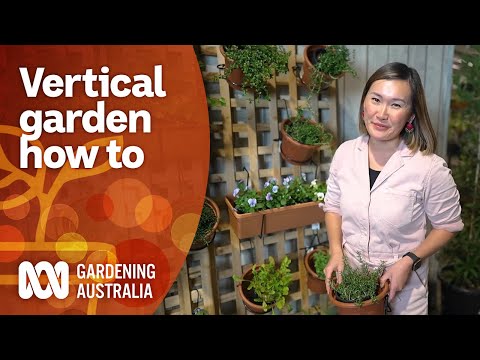
For a small, indoor setup targeting 6 essential kitchen herbs, simplicity often reigns supreme. Wall-mounted planters are excellent for utilizing vertical wall space and can be quite decorative. Stackable planters, often resembling a tower, are fantastic for maximizing floor space while providing individual compartments for each herb. Hydroponic systems, while more advanced, offer faster growth and less mess, but require a higher initial investment and some technical know-how. Your choice should align with your commitment and desired level of involvement.
Popular vertical garden types
- Stackable planters: Easy to assemble, great for beginners, and very space-efficient.
- Wall-mounted pockets/panels: Aesthetically pleasing, ideal for sunny walls, and can be modular.
- Tiered shelving units: Simple shelves with individual pots, offering flexibility and easy rearrangement.
- Hydroponic towers: Advanced, soil-less systems for rapid growth and water conservation.
Ultimately, the best system is one that you can maintain consistently and that integrates seamlessly into your living space. Don't feel pressured to invest in the most expensive option; often, a simple, well-chosen system can yield fantastic results. Focus on functionality, ease of use, and how it complements your home environment. A well-selected system sets the foundation for a thriving herb garden.
The Essential Six: Herbs Perfect for Micro-Gardening
When embarking on your vertical micro-gardening journey, selecting the right herbs is paramount, especially when space is limited to under 4 square feet. Not all herbs are created equal in terms of their growth habits and space requirements. For a compact setup, you'll want to choose varieties that are relatively small, have shallow root systems, and offer a high yield for their size. The following six herbs are ideal candidates, known for their culinary versatility and suitability for vertical cultivation.
These herbs not only thrive in confined spaces but also offer a continuous supply of fresh flavor for your cooking. Growing them vertically means they receive adequate light and air circulation, crucial for preventing common plant diseases. Their varied needs also provide a good learning experience, allowing you to fine-tune your gardening skills. From the sweet aroma of basil to the pungent zest of chives, this selection ensures a diverse and useful herb collection.
Top 6 herbs for your vertical garden
- Basil: A culinary staple, basil loves warmth and sunlight. Pinch off flower buds to encourage bushier growth.
- Mint: Known for its vigorous growth, mint is best grown in its own container within the vertical system to prevent it from overtaking other herbs.
- Chives: These onion-flavored greens are easy to grow from seed or division and provide continuous harvests.
- Parsley: Both flat-leaf and curly varieties do well. Keep the soil consistently moist for best results.
- Oregano: A hardy herb that tolerates drier conditions, perfect for Mediterranean dishes.
- Thyme: Small, delicate leaves pack a powerful flavor. Thyme prefers well-draining soil and plenty of sun.
By focusing on these six varieties, you ensure a highly productive and manageable vertical garden. Each herb brings a unique flavor profile to your kitchen, elevating your home cooking with minimal effort. Their adaptability to small spaces makes them perfect for any aspiring micro-gardener looking to maximize their yield in a compact area.
Setting Up Your Vertical Herb Garden: Step-by-Step Guide
Once you’ve chosen your vertical system and your essential herbs, the next exciting step is the actual setup. This process is straightforward but requires attention to detail to ensure your herbs have the best possible start. From preparing your planting medium to strategic placement, each step contributes to the long-term health and productivity of your vertical micro-gardening endeavor. Proper setup minimizes future problems and maximizes growth.
Start by assembling your chosen vertical garden structure according to the manufacturer’s instructions, or if it's a DIY project, ensure it’s stable and secure. Next, prepare your planting medium. A good quality potting mix, rich in organic matter and well-draining, is crucial for container-grown herbs. If you're using a hydroponic system, ensure your nutrient solution is correctly mixed and pH-balanced. These foundational steps are vital for providing your herbs with the optimal environment to thrive.
Key setup considerations
- Drainage: Ensure your system allows for proper water drainage to prevent root rot.
- Sunlight: Place your vertical garden in a location that receives at least 6 hours of direct sunlight daily, or supplement with grow lights.
- Air circulation: Good airflow prevents fungal diseases, especially in compact setups.
- Accessibility: Position your garden so all herbs are easily accessible for watering, pruning, and harvesting.
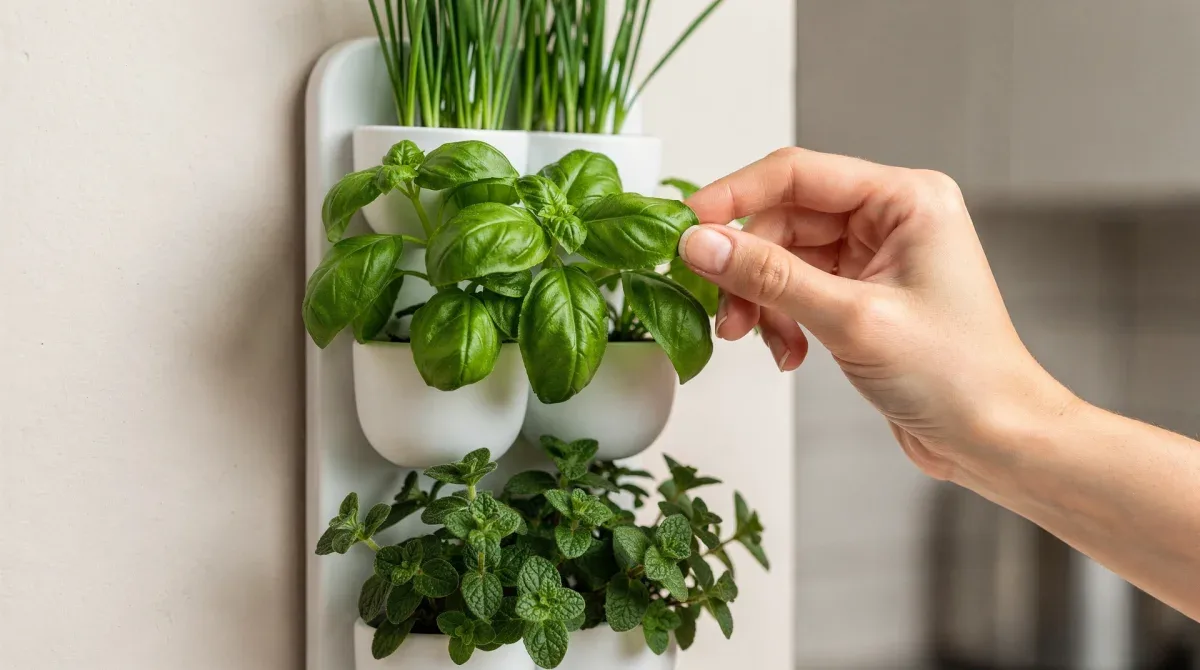
After preparing your pots or planting pockets, carefully transplant your herb seedlings or sow seeds directly. Gently firm the soil around the plants and water thoroughly. For hydroponic systems, ensure the roots are properly situated in the nutrient solution. With your herbs in place, your vertical garden is officially ready to flourish. Consistent care from this point forward will ensure a bountiful harvest.
Care and Maintenance for Thriving Vertical Herbs
Maintaining a healthy vertical herb garden requires consistent care, but the effort is minimal compared to the rewards. Regular watering, proper feeding, and attentive pruning are the cornerstones of ensuring your 6 essential kitchen herbs remain vibrant and productive in their compact space. Understanding the specific needs of each herb and responding accordingly will lead to a flourishing garden that provides fresh flavors year-round. This hands-on approach builds a deeper connection with your plants.
Watering is perhaps the most critical aspect of care. Vertical systems can dry out faster than traditional gardens, so check soil moisture daily. Overwatering is as detrimental as underwatering, so aim for consistently moist, but not soggy, soil. For hydroponic systems, regularly check the water level and nutrient concentration. Feeding your herbs with a balanced liquid fertilizer every few weeks will replenish essential nutrients, especially in container environments where nutrients can leach out quickly.
Essential care practices
- Watering schedule: Adjust frequency based on herb type, container size, and environmental conditions.
- Fertilization: Use a diluted liquid organic fertilizer every 2-4 weeks during the growing season.
- Pruning: Regularly pinch back growth to encourage bushier plants and prevent flowering, which can diminish flavor.
- Pest inspection: Routinely check for signs of pests or diseases and address them promptly with organic solutions.
Proper light exposure is also vital. Rotate your vertical garden if some plants are receiving less light than others. If natural light is insufficient, consider supplementing with a full-spectrum LED grow light. By dedicating a few minutes each day to these simple maintenance tasks, your vertical micro-gardening project will yield a continuous supply of fresh, flavorful herbs, enhancing your culinary creations and adding a touch of green to your home.
Harvesting and Enjoying Your Fresh Vertical Herb Yield
The culmination of your vertical micro-gardening efforts is the joyful act of harvesting your fresh herbs. Knowing when and how to harvest correctly ensures a continuous supply of flavorful leaves while promoting further growth. The beauty of having a vertical garden of 6 essential kitchen herbs is the immediate access to ingredients, transforming everyday meals into gourmet experiences. Proper harvesting techniques are key to maximizing your yield and extending the life of your plants.
Most herbs benefit from regular harvesting, which encourages the plant to produce more foliage. For leafy herbs like basil and parsley, snip off the outer leaves or stems, leaving the inner growth to continue developing. For herbs like mint and oregano, you can often trim entire stems. Always use clean, sharp scissors or pruners to make clean cuts, preventing damage to the plant. Avoid taking more than a third of the plant at any one time to ensure it recovers quickly.
Tips for optimal harvesting
- Harvest in the morning: Herbs are most flavorful after the dew has dried but before the heat of the day.
- Regular pinching: For basil, pinch off flower buds as soon as they appear to prevent the plant from going to seed.
- Succession harvesting: Harvest different parts of the plant over time to ensure continuous production.
- Storage: Freshly harvested herbs can be stored in the refrigerator, wrapped in a damp paper towel, or preserved by drying or freezing.
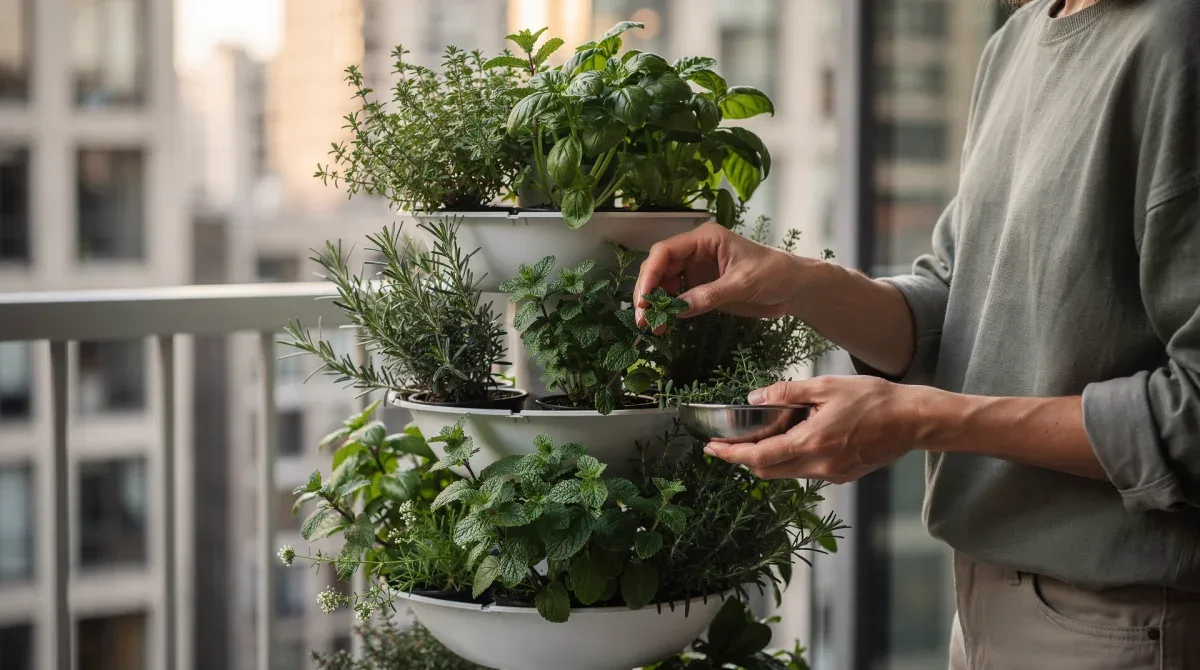
Beyond immediate use, your fresh herbs can be dried, frozen, or infused into oils and vinegars, extending their shelf life and allowing you to enjoy their flavors year-round. Sharing your bounty with friends and family is another delightful aspect of gardening. The simple act of growing and harvesting your own herbs provides not just culinary benefits but also a profound sense of satisfaction and connection to nature, even in a small urban setting.
Troubleshooting Common Vertical Garden Challenges
Even with the best intentions, gardeners, both novice and experienced, can encounter challenges. In vertical micro-gardening, some issues are unique to the system, while others are common to all forms of cultivation. Being prepared to troubleshoot these problems can save your 6 essential kitchen herbs and ensure your garden remains productive. Early detection and swift action are often the keys to success, preventing minor setbacks from becoming major issues.
One common issue is uneven watering, where plants at the top of a vertical system might dry out faster than those at the bottom. Adjusting your watering technique or considering a drip irrigation system can help. Another challenge can be insufficient light, especially for indoor setups. If plants appear leggy or pale, they are likely not getting enough light, necessitating a move to a sunnier spot or the addition of supplemental grow lights. Environmental factors play a huge role in plant health.
Addressing typical issues
- Yellowing leaves: Often indicates overwatering, nutrient deficiency, or insufficient light. Assess soil moisture, feeding schedule, and light exposure.
- Pest infestations: Look for tiny insects, sticky residue, or chewed leaves. Use organic pest control methods like neem oil or insecticidal soap.
- Slow growth: Could be due to inadequate light, poor soil nutrients, or incorrect pH levels. Check these factors and adjust as needed.
- Root rot: Caused by consistently waterlogged soil. Ensure proper drainage and avoid overwatering.
By understanding these common problems and their solutions, you can proactively maintain a healthy vertical herb garden. Don't be discouraged by initial setbacks; gardening is a continuous learning process. Each challenge overcome deepens your expertise and leads to a more resilient and thriving garden. Your commitment to observation and timely intervention will ensure your herbs flourish.
| Key Aspect | Brief Description |
|---|---|
| Space Efficiency | Grow 6 herbs in under 4 sq ft by utilizing vertical space with stacked or wall-mounted systems. |
| Herb Selection | Choose compact, high-yield herbs like basil, mint, chives, parsley, oregano, and thyme for best results. |
| Care & Maintenance | Consistent watering, proper fertilization, and regular pruning are crucial for healthy, productive herbs. |
| Harvesting Technique | Harvest regularly by snipping outer leaves/stems to encourage new growth and maintain flavor. |
Frequently asked questions about vertical micro-gardening
What is the best light source for indoor vertical herb gardens?▼For indoor vertical herb gardens, natural sunlight from a south-facing window is ideal, providing at least 6 hours daily. If natural light is insufficient, full-spectrum LED grow lights are an excellent supplement, mimicking natural light cycles and ensuring robust plant growth for your essential kitchen herbs.
How often should I water my vertical herb garden?▼Watering frequency for a vertical herb garden depends on the herb type, container size, and environmental humidity. Generally, check the soil moisture daily by feeling the top inch of soil. Water when it feels dry, ensuring good drainage to prevent root rot, which is critical for your 6 essential kitchen herbs.
Can I use any potting mix for vertical gardening?▼While standard potting mix can work, a high-quality, well-draining potting mix specifically designed for containers is recommended for vertical gardening. Look for mixes rich in organic matter and perlite or vermiculite to ensure adequate aeration and drainage, which are vital for the health of your 6 essential kitchen herbs.
How do I prevent pests in a vertical micro-garden?▼Preventing pests in a vertical micro-garden involves regular inspection, good air circulation, and avoiding overwatering. If pests appear, use organic solutions like neem oil, insecticidal soap, or introducing beneficial insects. Early detection and natural remedies are key to protecting your 6 essential kitchen herbs effectively.
Is vertical micro-gardening suitable for beginners?▼Absolutely! Vertical micro-gardening is highly suitable for beginners due to its space efficiency and often simplified maintenance compared to traditional gardening. Starting with easy-to-grow herbs like the essential six mentioned in this guide makes the learning curve gentle and the rewards immediate, fostering confidence for new gardeners.
Conclusion
Embracing vertical micro-gardening: how to grow 6 essential kitchen herbs in under 4 square feet is more than just a clever space-saving technique; it's an accessible pathway to fresh, organic ingredients and a greener lifestyle, even in the most compact urban settings. From selecting the right vertical system to nurturing your chosen herbs and enjoying their bounty, the journey is both rewarding and surprisingly simple. With consistent care and a little attention, your small space can become a vibrant, productive herb oasis, enriching your culinary adventures and enhancing your connection to nature. This approach offers a sustainable and flavorful solution for anyone seeking to cultivate their own food, regardless of their living situation.
