Dynamic Ticketing Algorithms: 18% Price Hike in Live Events
Dynamic concert ticketing algorithms have significantly driven up live event prices by an average of 18% this year, transforming how fans access and pay for experiences, while reshaping the economics of the entertainment industry.
The landscape of live entertainment has undergone a seismic shift, with a notable surge in costs directly linked to advanced technology. Specifically, the implementation of dynamic concert ticketing algorithms has driven live event prices up by an astounding 18% this year, fundamentally altering how fans access their favorite artists and experiences.
Understanding the Mechanics of Dynamic Pricing
Dynamic pricing, while not a new concept in industries like airlines or hotels, has aggressively permeated the live event sector. This sophisticated strategy employs algorithms that analyze a multitude of factors in real-time to adjust ticket prices, often resulting in significant fluctuations from the initial face value. The goal for sellers is to maximize revenue by matching supply with demand, but for consumers, it often means higher costs.
These algorithms are not simple; they are complex systems that consider variables far beyond basic supply and demand. They evaluate historical sales data, artist popularity, venue capacity, time until the event, day of the week, local economic indicators, and even the purchasing patterns of individual users. This level of data analysis allows for highly granular price adjustments, sometimes on a minute-by-minute basis, creating a volatile market for concertgoers.
Key Factors Influencing Algorithmic Adjustments
Several critical elements feed into these dynamic pricing models, making them incredibly responsive to market conditions. Understanding these factors can shed light on why prices can escalate so rapidly.
- Demand Signals: The moment tickets go on sale, the algorithm monitors traffic, search interest, and initial purchase velocity. High demand triggers immediate price increases.
- Market Trends: Broader trends in the entertainment industry, including album sales, streaming numbers, and social media engagement for a particular artist, inform the pricing model.
- Secondary Market Data: Algorithms often scrape data from resale platforms to gauge true market value and adjust primary ticket prices accordingly, aiming to capture potential profits from scalpers.
- Geographic Location: Prices can vary based on the purchasing location, reflecting regional income levels or specific local demand for an artist.
The intricate dance between these variables means that the price a fan sees for a ticket is rarely static. It’s a living figure, constantly evolving, and a direct reflection of the algorithm's interpretation of market value. This continuous adjustment mechanism is at the heart of the 18% price increase observed across live events this year.
The 18% Price Hike: A Closer Look at the Impact
The reported 18% increase in live event prices is more than just a statistic; it represents a tangible shift in consumer spending and accessibility. This significant jump impacts various stakeholders, from the dedicated fan to the artists themselves, and the broader economic ecosystem surrounding live entertainment.
For fans, this means a higher barrier to entry. Many lifelong concertgoers are finding their favorite artists' shows increasingly out of reach, forcing them to make difficult choices about which events to attend or to forgo live music experiences entirely. The dream of seeing a beloved band often clashes with the reality of inflated ticket costs, leading to frustration and disillusionment among the fanbase.
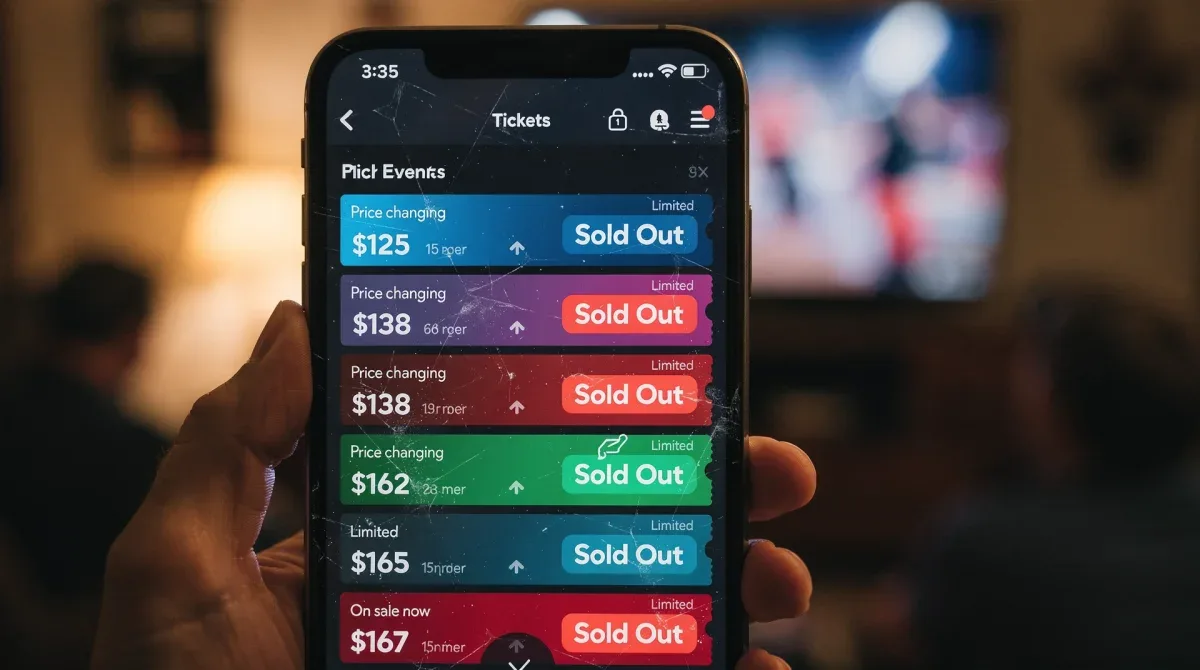
The impact extends beyond individual ticket purchases. Higher prices can affect ancillary spending at events, such as merchandise sales, food and beverage purchases, and even local tourism. If fans are spending more on tickets, they might have less disposable income for these other revenue streams, potentially creating a ripple effect on local businesses that benefit from concert tourism.
Challenges for Fan Accessibility and Affordability
The primary concern arising from this price surge is the erosion of accessibility for many fans. The democratic nature of live music, where a broad spectrum of economic backgrounds could once enjoy performances, is being challenged. This leads to several social and economic considerations:
- Exclusion of Lower-Income Fans: Those with limited budgets are often priced out, leading to a more homogenous audience demographic at high-demand events.
- Increased Financial Burden: Even for those who can afford tickets, the higher prices represent a greater financial strain, potentially diverting funds from other essential expenditures.
- Loss of Spontaneity: The ability to decide to attend a concert last minute becomes virtually impossible when prices are constantly adjusting upwards, requiring careful financial planning well in advance.
While artists and promoters argue that dynamic pricing helps combat scalping and ensures fair market value, the current trend suggests that the algorithms are pushing prices to unprecedented levels. This raises questions about the long-term sustainability of such pricing models and their potential to alienate a significant portion of the fanbase.
The Role of Data Analytics and AI in Price Escalation

At the core of the 18% price increase lies the sophisticated application of data analytics and artificial intelligence. These technologies enable ticketing platforms to process vast amounts of information and make rapid, informed decisions about pricing. The algorithms are not static; they learn and adapt based on new data, constantly refining their strategies to maximize revenue.
AI-driven models can identify patterns in consumer behavior that human analysts might miss. For instance, they can detect when a particular demographic is more likely to pay a premium for specific seating arrangements or when demand spikes after a viral social media moment. This predictive power allows for highly targeted and effective price adjustments.
Furthermore, these systems are designed to minimize unsold inventory while simultaneously capturing the highest possible price for each seat. This is a delicate balance, and the recent price hikes suggest that the algorithms are becoming increasingly adept at finding the optimal point where supply meets demand at a premium. The continuous feedback loop of sales data, market response, and algorithmic refinement contributes directly to the upward trajectory of ticket prices.
How Algorithms Learn and Adapt
The learning capability of these algorithms is a critical aspect of their effectiveness and impact on pricing. They don't just react; they anticipate and strategize based on past performance and predicted future trends.
- Historical Performance Analysis: Algorithms analyze past tour sales, venue sell-out times, and pricing strategies for similar artists to predict optimal starting prices and adjustment curves.
- Real-time Demand Sensing: They monitor website traffic, conversion rates, and even social media sentiment during on-sales to dynamically adjust prices as demand fluctuates.
- Competitive Pricing: Some algorithms also consider prices for competing events or similar acts in the same market, ensuring their pricing remains competitive yet optimized for revenue.
This continuous learning and adaptation mean that the algorithms are always evolving, becoming more efficient at extracting maximum value from the market. This technological prowess, while beneficial for revenue generation, is a direct driver of the significant price increases experienced by consumers.
Artist and Promoter Perspectives on Dynamic Pricing
From the perspective of artists and promoters, dynamic pricing is often framed as a necessary tool to combat the secondary market and ensure that revenue flows back to those who create and produce the events. They argue that if tickets are underpriced, scalpers will simply buy them up and resell them at inflated rates, diverting profits away from the industry.
By allowing prices to fluctuate with demand, artists and promoters aim to capture that surplus value themselves, which can then be reinvested into future tours, production costs, and artist development. This perspective suggests that dynamic pricing is a mechanism for financial sustainability in an increasingly complex and expensive industry. The 18% increase, from this viewpoint, represents a more accurate reflection of market value rather than an artificial inflation.
Moreover, some argue that dynamic pricing helps to ensure that tickets go to genuine fans who are willing to pay the market rate, rather than to professional resellers. While this intention is often stated, the reality for many fans is that the "market rate" has become prohibitively high, leading to questions about the true beneficiaries of this pricing model.
Justifications and Criticisms
The industry's justification for dynamic pricing is often met with significant criticism from fans and consumer advocates. Understanding both sides of this debate is crucial to grasping the full scope of the issue.
- Revenue Maximization: Promoters assert that dynamic pricing allows them to maximize revenue, which is essential for covering rising production costs, artist fees, and touring expenses.
- Scalper Mitigation: A key argument is that by pricing tickets closer to their true market value, there is less incentive for scalpers to purchase large blocks of tickets for resale.
- Fan Experience vs. Profit: Critics argue that while revenue generation is important, the current implementation of dynamic pricing often prioritizes profit over the fan experience, making events less accessible.
The tension between these perspectives highlights the ongoing challenge of balancing economic viability with consumer satisfaction. The 18% price increase underscores that, for now, the economic imperatives are heavily influencing the ticketing landscape.
The Fan Experience: Frustration, Exclusivity, and Adaptation
The fan experience has been profoundly altered by the rise of dynamic concert ticketing algorithms. What was once a relatively straightforward process of purchasing a ticket at a set price has become a high-stakes, real-time negotiation with an unseen algorithm. This shift has introduced significant frustration, fostered a sense of exclusivity, and forced fans to adapt their purchasing strategies.
Many fans recount stories of seeing prices jump hundreds of dollars in a matter of minutes, or even seconds, during a presale. This unpredictability creates anxiety and pressure, turning the excitement of securing a ticket into a stressful race against a constantly moving target. The feeling of being exploited, or that the system is rigged, is a common sentiment among those who have witnessed extreme price surges.
Moreover, the higher prices contribute to a growing sense of exclusivity. Live events, especially those featuring top-tier artists, are becoming luxury experiences reserved for those with significant disposable income. This can lead to a disconnect between artists and their broader fanbase, potentially alienating long-time supporters who can no longer afford to attend. While some may argue that this simply reflects the market value, it undeniably changes the social dynamics of concert-going.
Coping Mechanisms and Future Outlook for Fans
In response to these challenges, fans are developing new strategies to navigate the dynamic pricing landscape, while also expressing their discontent.
- Early Access: Many fans now prioritize joining fan clubs or signing up for presales to get the earliest possible access to tickets, hoping to secure them before prices escalate.
- Budgeting and Prioritization: Concertgoers are forced to budget more rigorously and prioritize which events they can afford, often sacrificing quantity for quality.
- Advocacy and Protest: There's a growing movement among fans to advocate for more transparent pricing models and stricter regulations on ticketing practices.
The long-term impact on fan loyalty and engagement remains to be seen. While the current market allows for significant price increases, there's a risk that continued escalation could lead to fan burnout and a diminished appetite for live events among a substantial portion of the audience.
Regulatory Scrutiny and the Future of Ticketing
The significant increase in live event prices, largely attributed to dynamic concert ticketing algorithms, has not gone unnoticed by regulators and policymakers. There is growing scrutiny over the transparency and fairness of these pricing models, particularly in the United States, where consumer protection agencies and legislative bodies are beginning to examine the issue.
Concerns range from deceptive pricing practices and hidden fees to the broader impact on consumer access and competition within the ticketing industry. Some lawmakers are exploring potential legislation that would mandate greater transparency in ticket pricing, limit the use of certain algorithmic strategies, or impose caps on resale prices to protect consumers from excessive markups.
The future of ticketing may involve a delicate balance between allowing market forces to dictate prices and implementing safeguards to ensure affordability and accessibility for fans. This could lead to a hybrid model where dynamic pricing is still utilized but within stricter ethical and regulatory boundaries, potentially altering the current trajectory of price increases.
Potential Legislative and Industry Changes
As the debate continues, several potential changes could reshape the ticketing landscape, aiming to address the current pricing challenges.
- Price Transparency Laws: Legislation requiring all fees and the full final price to be displayed upfront, avoiding hidden charges that inflate costs at checkout.
- Algorithmic Oversight: Calls for greater oversight into how dynamic pricing algorithms are programmed and whether they contribute to predatory pricing practices.
- Fan-Centric Models: Exploration of alternative ticketing models that prioritize fan access and affordability, such as lottery systems or verified fan programs with stricter resale rules.
The ongoing dialogue between industry stakeholders, consumer advocates, and government bodies will ultimately determine how dynamic concert ticketing evolves. The goal is to find a sustainable path that supports the live entertainment industry while ensuring that fans can continue to enjoy these invaluable cultural experiences without facing prohibitive costs.
| Key Point | Brief Description |
|---|---|
| 18% Price Surge | Live event ticket prices increased by 18% this year, largely due to dynamic pricing algorithms. |
| Algorithmic Mechanics | Algorithms analyze demand, market trends, and user data to adjust ticket prices in real-time. |
| Fan Impact | Higher prices lead to reduced accessibility, financial strain, and frustration for many concertgoers. |
| Regulatory Scrutiny | Governments and consumer advocates are scrutinizing dynamic pricing for transparency and fairness. |
Frequently Asked Questions About Dynamic Ticketing
What exactly are dynamic concert ticketing algorithms?▼Dynamic concert ticketing algorithms are sophisticated software programs that use real-time data to adjust ticket prices based on demand, market conditions, artist popularity, and other factors. Unlike fixed pricing, these algorithms allow prices to fluctuate constantly, aiming to maximize revenue for artists and promoters while theoretically reducing scalping by pricing closer to true market value.
Why have live event prices increased by 18% this year?▼The 18% increase is primarily driven by the widespread adoption and increasing sophistication of dynamic pricing algorithms. These systems are becoming more adept at identifying and capturing peak demand, leading to higher prices for popular events. Additionally, rising production costs and artists seeking to recoup losses from past touring disruptions also contribute to the overall price escalation.
How do these algorithms combat ticket scalping?▼Proponents argue that by allowing prices to rise closer to what the secondary market would command, dynamic pricing reduces the profit margins for scalpers. If the primary seller captures the higher market value, there's less incentive for scalpers to buy tickets at face value and resell them at a significant markup. However, the effectiveness of this approach remains a subject of ongoing debate among fans.
What are the main criticisms of dynamic ticketing from fans?▼Fans often criticize dynamic ticketing for making live events unaffordable and inaccessible, particularly for those with limited budgets. They also express frustration over price volatility, lack of transparency, and the feeling that the system prioritizes profit over the fan experience. Many feel that the system creates an unfair advantage for those who can afford to pay premium prices.
Are there any regulations being considered for dynamic pricing?▼Yes, there is growing regulatory scrutiny over dynamic pricing, especially in the United States. Lawmakers and consumer protection agencies are exploring legislation to mandate greater price transparency, limit hidden fees, and potentially introduce safeguards against excessive price surges. The aim is to strike a balance between industry revenue and consumer protection, ensuring fair access to live events.
Conclusion
The 18% surge in live event prices this year, largely driven by dynamic concert ticketing algorithms, marks a pivotal moment for the entertainment industry and its dedicated fanbase. While these sophisticated systems offer artists and promoters powerful tools to maximize revenue and combat scalping, they simultaneously raise significant questions about accessibility, affordability, and the long-term health of the fan experience. The ongoing dialogue between technological innovation, market demands, and consumer expectations will undoubtedly shape the future of how we experience live music, urging a balanced approach that sustains the industry without alienating its most crucial component: the fans.
