Hi-Res Music Streaming: Can Listeners Identify 24-Bit 192kHz?
The world of digital audio is constantly evolving, promising ever-higher fidelity and an unparalleled listening experience. One of the most talked-about advancements is hi-res music streaming, particularly formats like 24-bit 192kHz. But beyond the technical specifications, a crucial question remains: can average listeners, or even seasoned audiophiles, truly discern the difference in audio quality?
Understanding high-resolution audio: more than just numbers
High-resolution audio, often abbreviated as hi-res audio, refers to digital audio files with a higher sampling rate and bit depth than standard CD-quality audio. While CDs offer 16-bit 44.1kHz, hi-res formats can range significantly, with 24-bit 192kHz being among the most premium offerings. This increase in data theoretically allows for a more accurate representation of the original analog sound wave, capturing finer details and a broader dynamic range.
The concept is straightforward: more data should equate to better sound. A higher sampling rate means more snapshots of the sound wave are taken per second, while a greater bit depth allows for a more precise measurement of each snapshot's amplitude. Together, these factors aim to reduce quantization errors and provide a cleaner, more faithful reproduction of the original recording. However, the human ear's capabilities and the nuances of psychoacoustics introduce complexities that simple numbers alone cannot fully address.
Many proponents of hi-res audio describe a sound that is more spacious, detailed, and dynamic. They claim to hear subtleties in instruments and vocals that are lost in lower-resolution formats. This perception often fuels the desire for premium streaming services and specialized audio equipment designed to handle these larger files. The promise is an immersive experience that brings listeners closer to the artist's original intent, almost as if they were in the recording studio.
Bit depth and sampling rate explained
- Bit Depth: This determines the dynamic range of the audio, essentially how many steps are available to represent the amplitude of the sound wave. A 16-bit file offers 65,536 steps, while a 24-bit file provides 16,777,216 steps, theoretically allowing for much finer distinctions between the loudest and quietest parts of a recording.
- Sampling Rate: This refers to how many times per second the audio signal is measured and converted into digital data. A 44.1kHz sampling rate means 44,100 samples per second, while 192kHz means 192,000 samples per second. Higher sampling rates are believed to capture higher frequencies more accurately.
The combination of these two factors creates a significantly larger file size. For instance, a 24-bit 192kHz FLAC file can be many times larger than its 16-bit 44.1kHz counterpart. This increased data density is what theoretically underpins the superior sound quality. Yet, the real-world impact on perception is where the debate truly begins, involving not just technical specs but also human hearing limitations and the quality of the playback chain.
Understanding these fundamental concepts is crucial to appreciating the technical arguments surrounding hi-res audio. Without a grasp of what bit depth and sampling rate actually mean, it's easy to get lost in the marketing hype or dismiss the technology outright. The goal is to move beyond mere specifications and delve into the tangible auditory differences, if any, that these numbers translate into for the listener.
The human ear: limits of perception
While technology continually pushes the boundaries of audio fidelity, the human ear remains the ultimate arbiter of sound quality. The generally accepted range of human hearing extends from approximately 20 Hz to 20,000 Hz (20 kHz). This range diminishes with age, with most adults experiencing a natural decline in their ability to hear higher frequencies.
The Nyquist-Shannon sampling theorem states that to accurately reconstruct a signal, the sampling rate must be at least twice the highest frequency present in the original signal. For audio, this means a sampling rate of 40 kHz would be sufficient to capture everything audible to the human ear (up to 20 kHz). Therefore, a 44.1 kHz sampling rate, as found in CD audio, is theoretically more than adequate to reproduce all audible frequencies.
This scientific principle forms the basis of many arguments against the necessity of ultra-high sampling rates like 192kHz. If the human ear cannot perceive frequencies beyond 20 kHz, then capturing information at 96 kHz or 192 kHz might seem redundant. However, some audiophiles argue that while these ultra-high frequencies might not be directly audible, their presence can influence the perception of lower, audible frequencies, contributing to a more natural or 'airy' sound. This concept is often referred to as psychoacoustic effects.
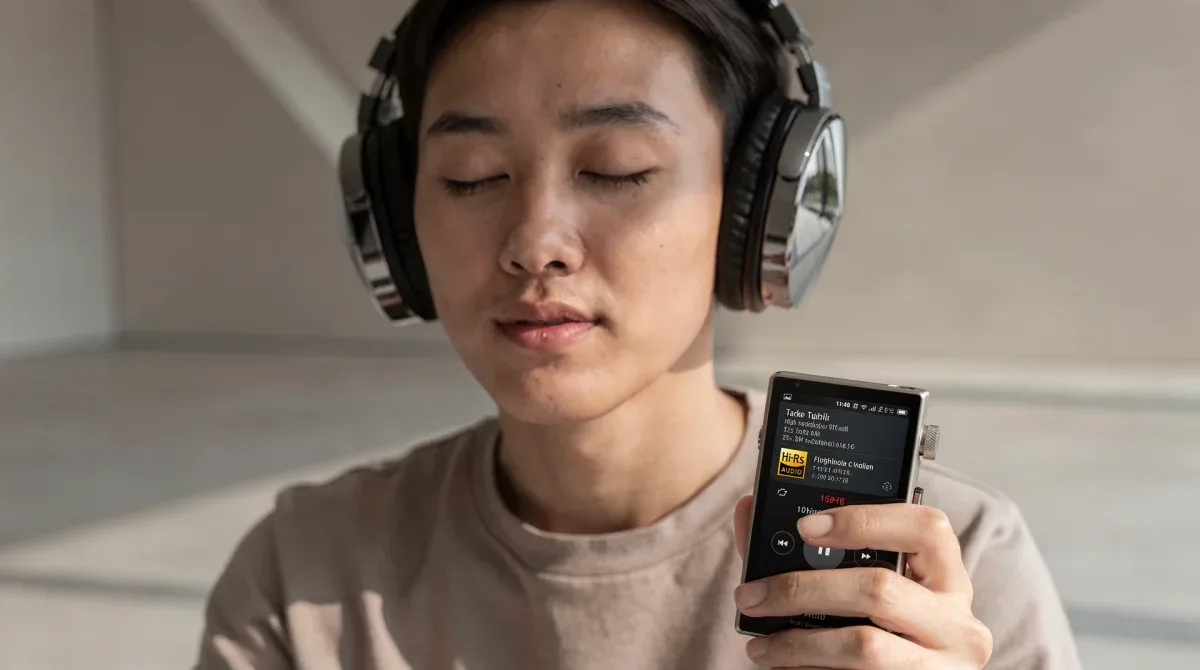
Furthermore, the dynamic range of human hearing is also finite. While 24-bit audio offers an enormous dynamic range, the practical listening environment, with its inherent noise floor, often limits the perceivable dynamic shifts. Very few musical recordings truly utilize the full dynamic range offered by 24-bit, and even fewer listening environments are quiet enough to appreciate it without external interference. This isn't to say the extra bits are useless, but their impact might be less pronounced in everyday listening scenarios than theoretical specifications suggest.
The intricate relationship between our auditory system and the technical specifications of audio files highlights the complexity of the hi-res audio debate. It's not just about what the technology can deliver, but what our ears and brains can actually process and interpret as an improvement. This fundamental limitation of human perception is a cornerstone of skepticism regarding the practical benefits of extremely high-resolution audio formats.
The scientific studies: blind listening tests
To move beyond subjective opinions and anecdotal evidence, numerous scientific studies have been conducted, primarily utilizing blind listening tests, to determine if listeners can reliably distinguish between different audio resolutions. These tests typically involve participants listening to the same musical passages encoded at various resolutions (e.g., 16-bit 44.1kHz vs. 24-bit 192kHz) without knowing which version they are hearing.
Key findings from research
- Inconclusive Evidence: A significant body of research, including studies by respected audio engineers and academic institutions, has largely found that most listeners, including self-proclaimed audiophiles, struggle to consistently identify high-resolution audio in properly conducted blind tests.
- Methodology Matters: The design of blind tests is critical. Factors such as volume matching, double-blind protocols (where neither the participant nor the administrator knows which sample is playing), and the quality of the playback equipment can all influence results. Poorly designed tests often lead to biased outcomes.
- Statistical Significance: For a difference to be considered genuinely perceivable, listeners must identify the hi-res track correctly at a statistically significant rate, meaning their choices are not merely due to chance. Many studies fail to reach this threshold for hi-res formats.
One notable study by Dr. David G. Cartwright, for instance, examined whether listeners could discern differences between CD-quality and higher-resolution audio. His findings, consistent with many others, indicated that the ability to reliably distinguish between the two was minimal, even among experienced listeners. These results challenge the notion that higher sample rates and bit depths automatically translate into a perceptually superior experience for the majority of people.

It's important to differentiate between hearing a difference and merely preferring one sound over another. In many instances, when participants in blind tests express a preference, it often correlates with a slight volume difference or other subtle cues rather than a clear identification of resolution. The placebo effect can also play a significant role; knowing that one is listening to 'superior' audio can lead to a perceived improvement, even if no objective difference exists.
These scientific investigations provide a crucial reality check. While the technical capabilities of hi-res audio are undeniable, the practical, perceivable benefits for human listeners, especially in a controlled environment, are often less clear-cut than marketing might suggest. The scientific community continues to explore these auditory phenomena, striving for objective truths in a field often dominated by subjective experience.
The role of audio equipment and listening environment
The journey of high-resolution audio from a digital file to your ears involves a complex chain of equipment, each link of which can significantly impact the final sound quality. Even if a file is recorded at 24-bit 192kHz, its potential will be severely limited if the playback system is not up to par. This includes everything from the digital-to-analog converter (DAC) and amplifier to the headphones or speakers.
A high-quality DAC is essential for converting the vast amount of digital data in a hi-res file back into an analog signal without introducing noise or distortion. Similarly, a capable amplifier is needed to drive speakers or headphones effectively, ensuring that the subtle nuances captured in the hi-res recording are not lost due to insufficient power or poor signal integrity. Budget-friendly or standard consumer-grade equipment often acts as a bottleneck, rendering the benefits of hi-res audio imperceptible.
Beyond the components themselves, the listening environment plays an equally critical role. A quiet room free from external noise is paramount for appreciating the subtle details that hi-res audio purports to offer. Background noise, whether from traffic, air conditioning, or household activities, can easily mask the delicate improvements that higher resolutions might provide. This is especially true for the extended dynamic range, which requires a very low noise floor to be fully appreciated.
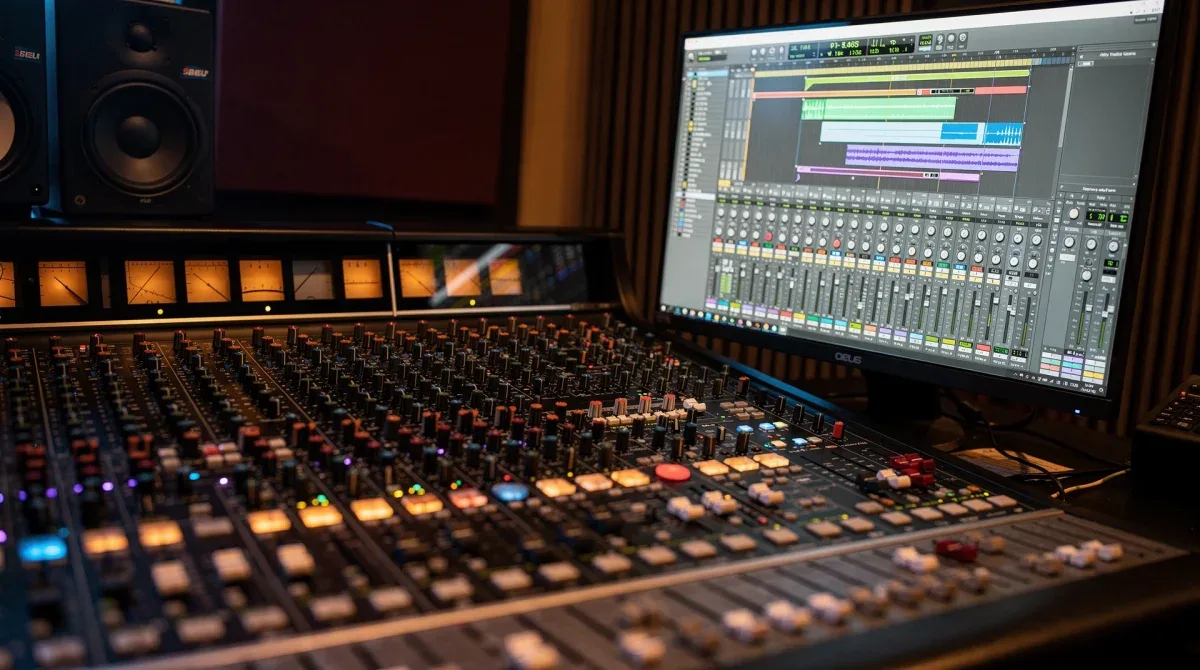
Portable listening, while convenient, often presents the most challenging environment for hi-res audio appreciation. The ambient noise of commutes, the limitations of smartphone DACs, and the quality of portable headphones or earbuds typically mean that any theoretical advantages of 24-bit 192kHz are unlikely to be realized. For many, a good quality compressed file (like high-bitrate MP3 or AAC) or standard CD-quality audio (16-bit 44.1kHz) will sound virtually identical in such settings.
Therefore, investing in hi-res streaming without also investing in a high-fidelity playback system and a dedicated listening space might be akin to buying a sports car and only driving it in heavy traffic. The potential is there, but the conditions prevent its full realization. This often leads to a chicken-and-egg scenario: do you upgrade your equipment first, or the audio quality? For true appreciation, both must evolve in tandem.
Practical considerations for the average listener
For the average music enthusiast, the allure of 'better' sound can be strong, but the practical implications of adopting hi-res music streaming are worth considering. It's not just about subscribing to a service; it involves a holistic approach to your listening setup and habits. The first question often revolves around cost and accessibility.
Cost and convenience factors
- Subscription Fees: Hi-res streaming services typically come with a higher monthly subscription fee compared to standard streaming options. This premium is for access to the larger, higher-quality files.
- Data Usage: Streaming 24-bit 192kHz files consumes significantly more data. This can be a concern for those with limited data plans or slower internet connections, potentially leading to buffering issues or exceeding data caps.
- Storage Requirements: If you prefer to download hi-res files for offline listening, be prepared for substantial storage demands on your devices. A single hi-res album can take up several gigabytes.
- Equipment Investment: As discussed, to genuinely benefit from hi-res audio, an investment in high-quality DACs, amplifiers, and headphones or speakers is often necessary. This can represent a significant financial outlay beyond the streaming subscription itself.
Beyond the financial and technical hurdles, there's the question of content availability. While many popular artists and labels are now offering hi-res versions of their music, the entire catalog of every artist may not be available in 24-bit 192kHz. Listeners might find themselves with a premium subscription but limited access to their preferred music in the highest resolution.
Ultimately, for many, the convenience of standard streaming quality, coupled with the diminishing returns of increasingly higher resolutions, makes it a pragmatic choice. If you primarily listen on the go, through earbuds, or on a basic sound system, the jump to 24-bit 192kHz might not offer a perceivable upgrade that justifies the additional cost and complexity. It's about finding the sweet spot where sound quality meets practical usability for your individual listening habits.
Therefore, before diving headfirst into the world of ultra-high-resolution audio, it's wise for the average listener to assess their current setup, listening habits, and budget. A gradual upgrade path, starting with better headphones or a dedicated DAC, might be a more sensible approach than immediately committing to the highest possible streaming tier.
The audiophile perspective: seeking sonic perfection
For dedicated audiophiles, the pursuit of sonic perfection is a deeply personal and often passionate journey. While scientific studies may offer a skeptical view on the perceptibility of ultra-high-resolution audio, many audiophiles firmly believe they can hear and appreciate the nuances offered by formats like 24-bit 192kHz. Their experience often goes beyond simple identification in blind tests, encompassing a holistic appreciation of the entire playback chain and the emotional connection to the music.
Audiophiles often describe a sense of 'transparency,' 'soundstage,' and 'imaging' that they attribute to higher resolution files. Transparency refers to the feeling that the audio equipment is disappearing, leaving only the music. Soundstage describes the perceived width and depth of the musical performance, while imaging relates to the precise placement of instruments within that soundstage. These are subtle qualities that, for some, contribute significantly to a more immersive and engaging listening experience.
The equipment used by audiophiles is typically meticulously chosen and often comes with a substantial price tag. They invest in high-end DACs, sophisticated amplifiers, reference-grade headphones, and critically acclaimed speakers, all designed to extract every last detail from the audio source. For them, the investment in hi-res streaming is a natural extension of their commitment to achieving the best possible sound reproduction.
Moreover, the audiophile community often emphasizes the importance of the recording and mastering quality. Even a 24-bit 192kHz file will only sound as good as the original recording allows. A poorly recorded or mastered track, regardless of its resolution, will not magically transform into a pristine listening experience. This understanding leads audiophiles to seek out well-produced recordings that can truly showcase the capabilities of their high-fidelity systems.
While the debate between objective scientific evidence and subjective audiophile experience continues, it highlights the diverse ways in which individuals interact with and appreciate music. For audiophiles, the subtle improvements, even if difficult to quantify in a blind test, contribute to an overall sense of satisfaction and a deeper connection to their beloved music. It's a journey of discovery and refinement, constantly seeking that elusive perfect sound.
The future of hi-res streaming: what's next?
The landscape of music streaming is constantly evolving, and hi-res audio is undoubtedly a significant part of its future. As technology advances, the barriers to entry for high-resolution listening are gradually decreasing, making it more accessible to a wider audience. We are seeing continued innovation in codecs, streaming platforms, and playback hardware, all aimed at enhancing the user experience.
Emerging trends and technologies
- Lossless Codecs: While FLAC and ALAC are common for hi-res, new codecs are being developed that aim for even greater efficiency without compromising quality, potentially reducing file sizes and data usage.
- Integrated Solutions: More consumer electronics, from smartphones to smart speakers, are incorporating better DACs and audio processing capabilities, making it easier to enjoy higher quality audio without needing dedicated external components.
- Personalized Audio: The future may bring more personalized audio experiences, where streaming services adapt to individual hearing profiles and equipment, optimizing the sound delivery for each listener.
- Spatial Audio Integration: Technologies like Dolby Atmos and Sony 360 Reality Audio are increasingly integrated into hi-res streaming, offering an immersive, three-dimensional sound experience that complements high fidelity.
The trend towards greater accessibility is key. As internet speeds improve globally and storage costs continue to fall, the practical hurdles of streaming and storing large hi-res files become less significant. This democratization of high-quality audio means that more listeners will have the opportunity to experiment with hi-res formats and decide for themselves if the perceived benefits justify the investment.
Furthermore, the creative community, from recording engineers to artists, is increasingly embracing hi-res production workflows. This ensures that more music is being recorded and mixed at higher resolutions from the outset, providing a genuine hi-res source for streaming services. As the entire audio chain, from creation to consumption, matures, the quality of available hi-res content will only improve.
The future of hi-res music streaming is not just about pushing numbers higher but about creating a more seamless, immersive, and personalized listening experience. While the debate over the perceptibility of 24-bit 192kHz may continue, the underlying drive for superior sound quality and an enriched musical journey shows no signs of slowing down. It will be fascinating to see how these technologies evolve and shape our auditory world in the years to come.
| Key Aspect | Brief Description |
|---|---|
| Hi-Res Definition | Audio with higher bit depth and sampling rate than CD quality (e.g., 24-bit 192kHz). |
| Human Perception | Human hearing range (20Hz-20kHz) suggests higher sampling rates may exceed auditory limits. |
| Scientific Studies | Blind listening tests often show listeners struggle to consistently identify hi-res audio. |
| Equipment & Environment | High-quality DACs, amplifiers, headphones, and quiet spaces are crucial for any perceived benefit. |
Frequently asked questions about hi-res audio
What exactly is 24-bit 192kHz audio?▼24-bit 192kHz audio refers to a digital audio format with a bit depth of 24 bits and a sampling rate of 192 kilohertz. This means the audio signal is measured 192,000 times per second, and each measurement is recorded with 24 bits of information, resulting in a much higher theoretical fidelity than standard CD quality (16-bit 44.1kHz).
Do I need special equipment to listen to hi-res music?▼Yes, to fully appreciate hi-res music, you generally need specialized equipment. This includes a high-resolution audio player or streaming service, a good quality Digital-to-Analog Converter (DAC), and high-fidelity headphones or speakers. Standard consumer-grade equipment may not be capable of reproducing the subtle differences.
Can most people hear the difference between CD quality and 24-bit 192kHz?▼Scientific blind listening tests have largely shown that most people, including experienced audiophiles, struggle to consistently and reliably distinguish between CD-quality audio (16-bit 44.1kHz) and higher resolution formats like 24-bit 192kHz. Perceived differences are often attributed to psychoacoustic effects or biases.
Is hi-res audio worth the extra cost?▼The value of hi-res audio is subjective. For some audiophiles, the subtle improvements in detail and soundstage justify the increased cost of subscriptions and equipment. For the average listener with standard gear, the benefits might not be perceivable enough to warrant the additional investment. It depends on individual priorities and listening environments.
What are the main benefits claimed for hi-res audio?▼Proponents claim hi-res audio offers a more detailed, spacious, and dynamic listening experience. They often cite better reproduction of subtle textures, a wider soundstage, and a clearer separation of instruments, leading to a more immersive and emotionally engaging connection to the music, closer to the original recording.
Conclusion
The debate surrounding hi-res music streaming, particularly the perceptibility of 24-bit 192kHz audio quality, is a fascinating intersection of technology, human physiology, and subjective experience. While the technical specifications clearly indicate a higher data density, scientific blind listening tests often suggest that the human ear's ability to discern these differences is limited. Yet, for a dedicated segment of audiophiles, the pursuit of sonic perfection through hi-res formats remains a deeply rewarding endeavor. Ultimately, the true 'reality check' lies in an individual's own listening experience, balanced with practical considerations of equipment, cost, and content availability. The future will likely see hi-res audio becoming more accessible, allowing more listeners to explore its potential and form their own conclusions on its value.
