Sizing 1,000Wh Portable Power Stations for Home Emergencies
Selecting a 1,000Wh portable power station for home emergencies involves assessing appliance needs, understanding battery chemistry, and evaluating output ports to ensure reliable backup power when the grid fails.
Preparing for unexpected power outages is a critical aspect of modern home readiness. Understanding how to pick a portable power station: sizing 1,000Wh batteries for home emergencies is essential to ensure your crucial devices remain operational when the grid goes down. This guide will walk you through the key considerations for selecting the ideal unit.
Understanding portable power stations and their role in emergencies
Portable power stations have evolved significantly, moving beyond simple battery packs to become sophisticated, versatile energy hubs. They are designed to provide temporary electrical power for various devices, making them indispensable during home emergencies, outdoor adventures, or even as supplemental power sources for remote work setups. Their primary function is to store energy in a battery and convert it into usable AC (alternating current) and DC (direct current) power through an integrated inverter and multiple output ports.
During a power outage, a reliable portable power station can mean the difference between discomfort and maintaining a semblance of normalcy. Imagine keeping your refrigerator running for a few hours, charging your essential communication devices, or powering a light source to navigate your home safely. These devices offer a quieter, cleaner, and safer alternative to traditional gas generators for indoor use, as they produce no fumes and require no fuel beyond an initial charge.
Key components of a portable power station
To truly appreciate the value of these units, it's helpful to understand their core components:
- Battery: The heart of the power station, storing the electrical energy. Capacity is measured in Watt-hours (Wh).
- Inverter: Converts the DC power from the battery into AC power, allowing you to plug in standard household appliances.
- Charge Controller: Manages the charging process, protecting the battery from overcharging or deep discharge.
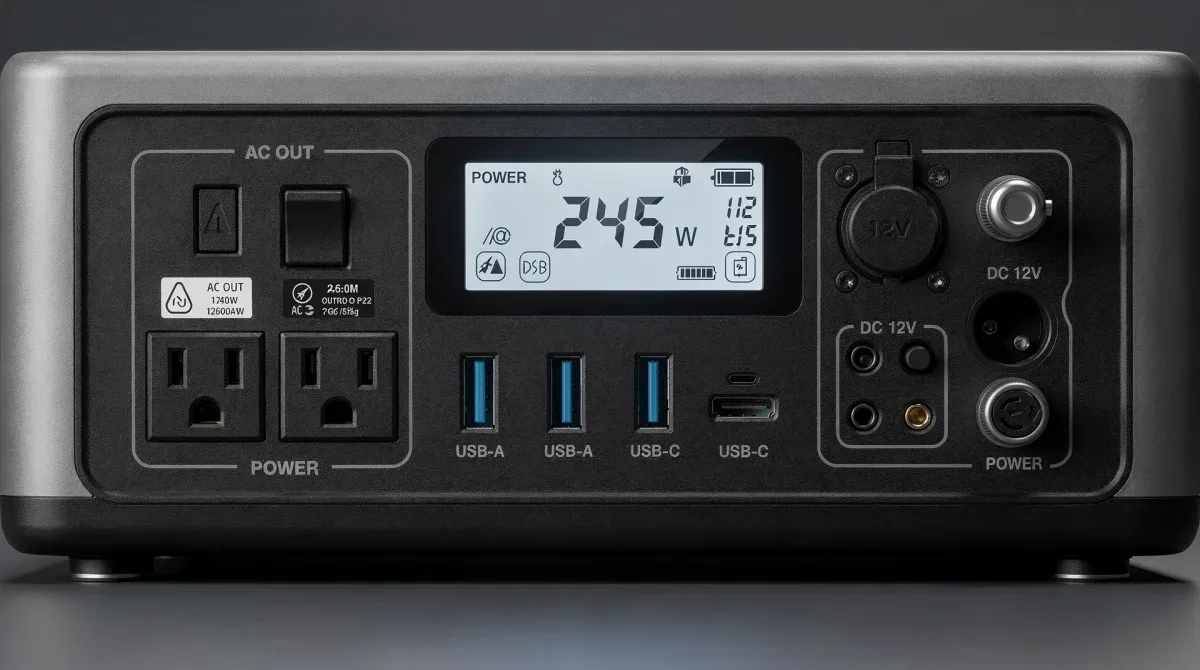
- Output Ports: A variety of outlets, including AC (wall outlets), USB-A, USB-C, and 12V DC car ports, to accommodate different devices.
When considering a 1,000Wh unit, you are looking at a substantial capacity that can support a range of critical appliances for several hours. This capacity strikes a good balance for many homeowners, offering sufficient power without being overly cumbersome or expensive for typical emergency needs. It's crucial to match this capacity with your specific requirements, which we will delve into further in the subsequent sections.
Ultimately, a portable power station serves as a crucial bridge during power interruptions, providing peace of mind and functional continuity. Its ability to deliver clean, quiet power without the maintenance hassles of fuel-based generators makes it a superior choice for many residential emergency scenarios. The ease of use and portability further enhance its appeal, allowing you to deploy power wherever and whenever it's needed most.
Assessing your emergency power needs: what 1,000Wh can power
Before committing to a 1,000Wh portable power station, it’s vital to accurately assess what you need to power during an emergency. A 1,000 Watt-hour (Wh) capacity means the unit can deliver 1,000 watts for one hour, or 100 watts for ten hours, or 50 watts for twenty hours, and so on. This capacity is generally considered a sweet spot for maintaining essential home functions for a reasonable duration during short to medium-length outages.
Consider the devices that are absolutely non-negotiable for your household during a power failure. These typically include communication devices, critical medical equipment, lighting, and perhaps a small refrigerator or freezer to preserve food. Understanding the wattage draw of these appliances is the first step in determining if a 1,000Wh unit will meet your expectations. Most appliances have their wattage listed on a label, in the user manual, or can be found with a quick online search.
Typical appliances and their power consumption
Here’s a general idea of what a 1,000Wh portable power station might handle:
- Smartphones/Tablets: Charging multiple times (5-10W each).
- Laptops: Several recharges (20-60W each).
- LED Lights: Many hours of operation (5-15W each).
- Small Fan: Multiple hours (30-50W).
- Mini-fridge (Intermittent use): Can run for several hours (50-100W when active, much less when cycling off).
- CPAP Machine: 8-12 hours, depending on settings and humidifier use (30-60W).
It's important to remember that appliances like full-sized refrigerators, microwaves, electric kettles, or hair dryers draw significantly more power (often hundreds or even thousands of watts). While a 1,000Wh unit might briefly power these, it would quickly deplete its battery. The goal during an emergency is typically to sustain essential services, not to run your home as usual.
When calculating your needs, sum up the wattage of the devices you intend to run simultaneously and estimate their run times. For instance, if you need to power an LED lamp (10W), charge a phone (10W), and run a CPAP machine (50W) for 8 hours, your total consumption would be (10+10+50)W * 8 hours = 70W * 8 hours = 560Wh. A 1,000Wh station would comfortably cover this with capacity to spare.
By carefully itemizing your essential devices and their power requirements, you can confidently determine if a 1,000Wh portable power station aligns with your emergency preparedness strategy. This proactive assessment ensures you invest in a unit that genuinely meets your needs without overspending or under-preparing.

Battery chemistry matters: LiFePO4 vs. Li-ion in 1,000Wh units
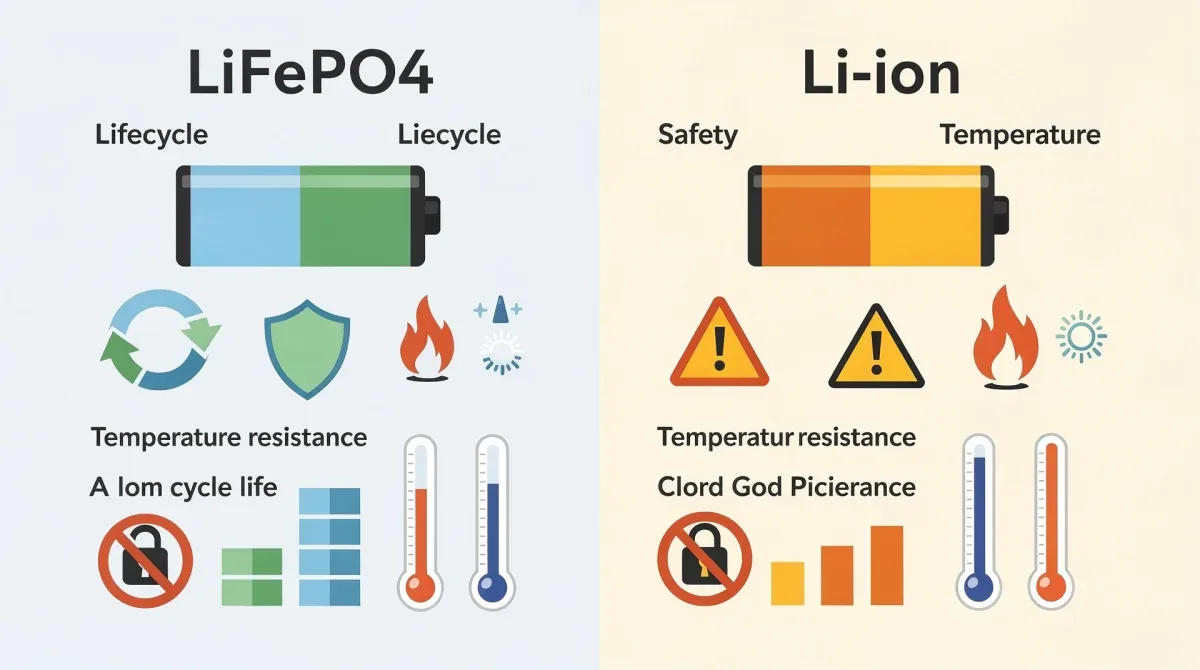
When exploring portable power station sizing, especially around the 1,000Wh mark, one of the most critical distinctions to understand is battery chemistry. The two dominant types in this segment are Lithium-ion (Li-ion) and Lithium Iron Phosphate (LiFePO4). While both are lithium-based, they possess distinct characteristics that significantly impact performance, longevity, and safety.
Traditionally, many portable power stations utilized standard Li-ion batteries, known for their high energy density, allowing for a compact and lightweight design. However, LiFePO4 technology has gained substantial traction in recent years, particularly for applications where durability and safety are paramount. Understanding the nuances between these chemistries is key to making an informed decision for your home emergency needs.
Comparing key attributes
Let's break down the advantages and disadvantages of each:
Lithium-ion (Li-ion) batteries
These are common in many consumer electronics due to their excellent energy density. This means they can store a lot of power in a smaller, lighter package. However, they typically offer fewer charge cycles (often 500-800 cycles to 80% capacity) before significant degradation. They can also be more susceptible to thermal runaway if damaged or improperly charged, though modern power stations include robust battery management systems (BMS) to mitigate these risks.
Lithium Iron Phosphate (LiFePO4) batteries
LiFePO4 batteries are the rising star in portable power. While slightly heavier and bulkier for the same capacity compared to Li-ion, their benefits often outweigh this trade-off for emergency use. LiFePO4 batteries boast a significantly longer lifespan, typically offering 2,000-3,500 charge cycles to 80% capacity. They are also inherently more stable and safer, with a lower risk of thermal issues, even under extreme conditions. This makes them an excellent choice for a device you intend to keep for many years and rely on in critical situations.
For a 1,000Wh unit, the choice between LiFePO4 and Li-ion often comes down to balancing portability with long-term reliability and safety. If you prioritize maximum portability and occasional use, a Li-ion unit might suffice. However, for a dedicated home emergency backup system that you expect to last for a decade or more and offer superior safety, a LiFePO4 power station is generally the more prudent investment. The slightly higher initial cost of LiFePO4 is often offset by its extended lifespan and peace of mind.
In conclusion, while both battery types can effectively power your devices, the superior cycle life and enhanced safety profile of LiFePO4 batteries make them particularly appealing for a 1,000Wh portable power station intended for critical home emergency preparedness. Evaluate your priorities carefully before making your final selection.
Output ports and inverter capabilities: connecting your devices
Beyond battery capacity and chemistry, the utility of a 1,000Wh portable power station hinges significantly on its output ports and inverter capabilities. These features dictate which devices you can power, how many simultaneously, and with what efficiency. A robust selection of ports ensures versatility, while a capable inverter guarantees stable and safe power delivery to sensitive electronics.
When examining a portable power station, don't just look at the total Watt-hour rating; scrutinize the types and number of output ports. A 1,000Wh unit might have ample energy storage, but if it lacks the specific outlets you need, or if its inverter cannot handle the surge power of certain appliances, its practical value diminishes. This is where the details truly matter for effective emergency planning.
Understanding inverter types and port varieties
Most quality portable power stations for home use feature a pure sine wave inverter. This is crucial for sensitive electronics, as it produces a clean, stable waveform identical to grid power, preventing potential damage to devices like laptops, medical equipment, and smart appliances. Avoid modified sine wave inverters for anything other than basic, non-sensitive loads, as they can cause humming, reduced efficiency, or even damage to some electronics.
Common output ports to look for:
- AC Outlets (120V): Standard household plugs. Ensure there are enough and that the continuous wattage output matches or exceeds your highest anticipated load (e.g., 1000W continuous output for a 1000Wh unit).
- USB-A Ports: For charging smaller devices like smartphones and older tablets. Look for Quick Charge (QC) enabled ports for faster charging.
- USB-C PD (Power Delivery) Ports: Essential for modern laptops, tablets, and many newer smartphones. Higher wattage USB-C PD ports (60W, 100W) can significantly speed up charging for compatible devices.
- 12V DC Car Ports: Useful for powering car accessories, portable refrigerators, or charging other 12V devices.
- Wireless Charging Pad: A convenient feature on some models for compatible smartphones.
Pay close attention to the continuous output wattage of the AC inverter. A 1,000Wh power station might have an inverter rated for 1,000W, meaning it can sustain that output. However, some units also specify a peak or surge wattage, which is the maximum power it can provide for a very brief moment (e.g., when a motor starts up). Ensure the continuous output meets your primary needs, and the surge capacity is adequate for any inductive loads you might run.
In summary, the array of output ports and the quality of the inverter are just as critical as the battery's capacity. A well-equipped 1,000Wh power station with multiple, high-quality output options and a pure sine wave inverter will provide the flexibility and safety needed to power a diverse range of essential devices during a home emergency, making your investment truly worthwhile.
Charging methods and recharge times: staying prepared
The best portable power station is only as good as its ability to be recharged efficiently and effectively. For a 1,000Wh unit, understanding the available charging methods and their respective recharge times is paramount for maintaining continuous preparedness, especially in an emergency scenario where grid power might be intermittent or unavailable for extended periods. Diverse charging options enhance the versatility and reliability of your power station.
Most portable power stations offer multiple ways to replenish their battery, catering to different situations. The speed of recharge can vary significantly depending on the method used, directly impacting how quickly your unit can be ready for its next deployment. This aspect is often overlooked but is crucial for maximizing the utility of your investment in emergency situations.
Common charging options
Here are the primary ways you can recharge a 1,000Wh portable power station:
AC wall outlet charging
This is the fastest and most common method. Most units come with an AC adapter that plugs into a standard wall outlet. Recharge times for a 1,000Wh unit typically range from 1.5 to 8 hours, depending on the input wattage of the charger. Some advanced models feature fast-charging technology that can bring the battery to 80% in an hour or less.
Solar panel charging
An indispensable option for extended outages or off-grid use. Portable power stations are usually compatible with foldable solar panels. The recharge time depends heavily on the wattage of the solar panels, sunlight intensity, and weather conditions. For a 1,000Wh unit, a 100W solar panel might take 10-20 hours of peak sunlight, while a 200W panel could cut that time in half. This method offers true energy independence.
Car charger (12V DC)
Plugging into your vehicle's 12V cigarette lighter port offers another charging option, particularly useful when on the go or if you need a backup method during a power outage. However, this is generally the slowest charging method due to the lower wattage output from a car's accessory port. A 1,000Wh unit could take 10-15+ hours to fully charge this way.
When selecting a power station, consider the input wattage capabilities. A higher input wattage means faster charging. Some units can even combine charging methods (e.g., AC and solar simultaneously) to drastically reduce recharge times. For home emergencies, having the flexibility of both fast AC charging and resilient solar charging provides the best of both worlds, ensuring you can always replenish your power source regardless of the situation.
In essence, evaluating the charging options and understanding the associated recharge times is crucial for maximizing the readiness and utility of your 1,000Wh portable power station. Prioritize models that offer fast AC charging and robust solar input capabilities to ensure you're never left without power when you need it most.
Portability, durability, and additional features for emergency use
While power capacity and output are fundamental, the practical utility of a 1,000Wh portable power station for home emergencies also depends heavily on its physical attributes and supplementary features. Factors like portability, durability, and smart functionalities can significantly enhance its effectiveness and ease of use when you need it most. A well-rounded unit balances robust power delivery with convenient design and thoughtful additions.
For emergency preparedness, a power station shouldn't just sit idly; it should be ready to deploy quickly and reliably. This means considering its weight and size for easy transport, its construction for resilience against accidental bumps, and any smart features that streamline its operation or monitoring. These elements collectively contribute to a seamless user experience during stressful situations.
Design considerations and useful extras
When evaluating models, keep these aspects in mind:
Portability
A 1,000Wh unit can range from 20 to 35 pounds (9-16 kg). Consider if this weight is manageable for you to move around your home or even transport to a different location if evacuation becomes necessary. Look for sturdy handles, and some larger units even include wheels. While not as light as smaller units, a 1,000Wh station should still be reasonably easy to relocate.
Durability
Emergency situations can be unpredictable. A robust casing, often made from high-grade plastics or aluminum, can protect internal components from minor impacts. Look for models with solid construction and perhaps even some level of dust or splash resistance if you anticipate using it outdoors or in less-than-ideal conditions.
Additional features
- Built-in LED Light: An integrated flashlight or area light is incredibly useful during power outages, saving you from needing a separate light source.
- LCD Display: A clear, informative display showing battery percentage, input/output wattage, and remaining run time is essential for managing your power efficiently.
- Pass-through Charging: The ability to charge the power station while simultaneously powering devices from it is a highly convenient feature, acting as a UPS (Uninterruptible Power Supply) for critical electronics.
- App Control: Some advanced units offer smartphone app control, allowing you to monitor status, turn ports on/off, and update firmware remotely.
- Quiet Operation: Unlike gas generators, electric power stations are silent. However, cooling fans can generate some noise. Check reviews for fan noise levels if quiet operation is a high priority.
The combination of a well-designed, durable unit with practical additional features elevates a 1,000Wh portable power station from a mere battery pack to a comprehensive emergency power solution. Prioritizing these aspects ensures that your chosen unit is not only capable of delivering power but is also user-friendly and reliable when you need it most during a home emergency.
Maintenance, storage, and longevity tips for your 1,000Wh unit
Investing in a 1,000Wh portable power station for home emergencies is a significant step towards preparedness, but its long-term reliability hinges on proper maintenance and storage. Unlike traditional generators that might require fuel stabilizers and engine tune-ups, portable power stations demand a different kind of care. Adhering to best practices ensures your unit remains fully functional and ready to deliver power for many years to come, maximizing your investment and providing consistent peace of mind.
The longevity of your power station is largely determined by how you treat its internal battery. Both Li-ion and LiFePO4 batteries benefit from specific charging and storage habits that prevent degradation and preserve their cycle life. Understanding these nuances will help you get the most out of your unit, ensuring it's a dependable asset during every power outage.
Best practices for battery health and readiness
Follow these guidelines to extend the life and ensure the readiness of your portable power station:
Optimal charge level for storage
For long-term storage, it's generally recommended to keep the battery charged between 50% and 80%. Storing a battery at 100% for extended periods can accelerate degradation, especially for Li-ion types. Conversely, allowing it to deep discharge and remain at 0% for too long can also be detrimental. Check the charge level every 3-6 months and top it up if necessary.
Regular usage and cycling
Even if you don't experience frequent power outages, it's beneficial to use and recharge your power station periodically. Fully discharge it to about 20% and then recharge it to 80-100% once every 3-6 months. This helps to calibrate the battery management system (BMS) and keeps the battery cells active, preventing them from becoming dormant.
Environmental considerations
Store your power station in a cool, dry place, away from direct sunlight and extreme temperatures. High heat can damage the battery cells and reduce their lifespan, while extreme cold can temporarily reduce performance. Avoid damp or dusty environments to protect the electronics and ports.
Firmware updates
Some modern power stations offer firmware updates, often via a companion app. These updates can improve efficiency, add new features, or enhance battery management. Make sure to keep your unit's firmware up to date to benefit from the latest improvements.
By diligently following these maintenance and storage tips, you can significantly prolong the operational life of your 1,000Wh portable power station. This proactive approach ensures that when an emergency strikes, your unit will be a reliable source of power, ready to keep your essential devices running and your household comfortable and safe.
| Key Aspect | Description for 1,000Wh Unit |
|---|---|
| Capacity (1,000Wh) | Sufficient for essential appliances like phones, laptops, LED lights, small fridges, and CPAP machines for several hours. |
| Battery Chemistry | LiFePO4 offers longer lifespan (2,000-3,500 cycles) and enhanced safety over standard Li-ion for emergency reliability. |
| Output & Inverter | Look for pure sine wave inverter and diverse ports (AC, USB-C PD, USB-A, 12V DC) to power various sensitive electronics safely. |
| Charging Methods | Prioritize fast AC charging and solar compatibility for versatile and reliable recharging during extended outages. |
Frequently asked questions about portable power stations
What is the typical lifespan of a 1,000Wh portable power station battery?▼The lifespan largely depends on the battery chemistry. Li-ion batteries typically last 500-800 charge cycles before degrading to 80% capacity. LiFePO4 batteries, however, offer a significantly longer lifespan of 2,000-3,500 cycles, making them a more durable choice for long-term emergency preparedness.
Can a 1,000Wh power station run a full-sized refrigerator?▼While a 1,000Wh power station might briefly power a full-sized refrigerator, it would drain the battery very quickly. Refrigerators have high startup (surge) wattage and moderate running wattage. It's generally more suitable for mini-fridges or for extending the life of a main fridge for a few hours with intermittent use.
Is it safe to use a portable power station indoors?▼Yes, portable power stations are generally safe for indoor use. Unlike gas generators, they produce no fumes, require no fuel, and operate silently. Ensure adequate ventilation if the unit has cooling fans, and always follow the manufacturer's safety guidelines regarding placement and operation.
How long does it take to charge a 1,000Wh power station with solar panels?▼Charging time with solar panels varies greatly. With a 100W solar panel in ideal sunlight, a 1,000Wh unit could take 10-20 hours. Using higher wattage panels (e.g., 200W or more) or connecting multiple panels can significantly reduce this time, often cutting it in half under optimal conditions.
What is the importance of a pure sine wave inverter?▼A pure sine wave inverter is crucial for safely powering sensitive electronics. It produces a smooth, consistent electrical waveform, identical to standard grid power. This prevents damage, operational issues, or reduced efficiency that can occur when sensitive devices are connected to modified sine wave inverters.
Conclusion
Choosing the right 1,000Wh portable power station for home emergencies involves a comprehensive evaluation of your power needs, battery technology, output capabilities, and charging flexibility. By carefully considering these factors, from the robust longevity of LiFePO4 batteries to the essential pure sine wave inverter, you can confidently select a unit that ensures your critical devices remain powered during unexpected outages. Proactive planning and informed selection are key to establishing a reliable and resilient emergency power solution for your home.
