98-Inch Mini-LED vs. Projectors: The Ultimate Home Theater Showdown
The advent of 98-inch Mini-LED displays presents a compelling alternative to traditional $2,000 home projectors. These large format screens offer superior brightness, contrast, and color accuracy, challenging the immersive experience previously exclusive to projectors in home entertainment setups.
The landscape of home entertainment is undergoing a significant transformation, with the emergence of larger and more sophisticated display technologies. One of the most talked-about advancements is the rise of 98-inch Mini-LED displays, which are now offering consumers an unprecedented visual experience. This development raises a pivotal question for enthusiasts and casual viewers alike: Can these impressive, large-format screens truly replace dedicated $2,000 home projectors and redefine our understanding of immersive home cinema?
The evolution of display technology: Mini-LED's ascendancy
The journey from traditional LCDs to today's cutting-edge displays has been marked by continuous innovation. Mini-LED technology represents a significant leap, offering improvements that directly challenge the strengths of projection systems. Understanding this evolution is crucial to evaluating its potential impact on home theater setups.

Mini-LED technology utilizes thousands of tiny LEDs for backlighting, rather than the hundreds found in conventional LED TVs. This allows for vastly more local dimming zones, leading to precise control over brightness and contrast. The result is a picture with deeper blacks, brighter whites, and more vibrant colors, often rivaling or even surpassing OLED in certain aspects.
Mini-LED vs. traditional LED and QLED
- Local dimming zones: Mini-LEDs boast thousands of zones, enabling superior contrast ratios.
- Brightness output: Significantly higher peak brightness, crucial for HDR content.
- Color volume: Enhanced color reproduction, especially when combined with Quantum Dot technology.
- Blooming control: Reduced light bleed around bright objects on dark backgrounds.
The ability of Mini-LED to offer such granular control over illumination means that scenes with extreme differences in light and shadow are rendered with remarkable fidelity. This precision is a key factor in creating a truly immersive viewing experience, bringing movies and games to life with stunning realism. The technological advancements are not merely incremental; they represent a fundamental shift in what is possible for consumer-grade displays.
In essence, Mini-LED bridges the gap between traditional LCD and OLED, offering many of OLED's advantages in contrast and black levels, while maintaining superior brightness—a critical factor for viewing in well-lit rooms. This makes it a formidable contender in the high-end display market, directly impacting the discussion around home theater solutions.
Projectors at $2,000: The traditional immersive experience
For years, dedicated home projectors have been the go-to solution for achieving a truly cinematic scale in one's living room. A $2,000 budget often lands consumers a respectable projector capable of delivering large images with decent quality. However, these systems come with their own set of characteristics and limitations that are now being scrutinized against the backdrop of emerging display technologies.
Projectors excel at creating expansive images, often exceeding 100 inches, which is difficult to replicate with traditional flat-panel TVs, especially at comparable price points. The sheer size of the projected image contributes significantly to the feeling of immersion, making viewers feel more engaged with the content. This scale has historically been their primary advantage.
Key considerations for $2,000 projectors
- Screen size: Unmatched flexibility in achieving very large screen sizes.
- Immersion factor: The cinematic scale provides a unique viewing experience.
- Room conditions: Requires a dark environment for optimal performance.
- Maintenance: Lamp replacement and dust management are ongoing concerns.
While projectors offer impressive scale, they often necessitate specific room conditions, primarily darkness, to deliver their best performance. Ambient light can significantly wash out the image, reducing contrast and color vibrancy. Furthermore, projectors typically require careful calibration and setup to achieve optimal picture quality, including proper screen alignment and focus. The cost of ownership also extends beyond the initial purchase, with lamp replacements being a recurring expense.
Despite these challenges, the allure of a massive projected image remains strong for many home theater enthusiasts. The ability to transform a room into a private cinema, complete with a sprawling screen, offers an experience that has long been been considered the gold standard for immersive viewing. It is this core appeal that 98-inch Mini-LED displays are now directly challenging, forcing a re-evaluation of what constitutes the ultimate home theater.
Brightness and contrast: Mini-LED's undeniable advantage
When it comes to raw brightness and contrast, Mini-LED displays hold a significant edge over most home projectors, particularly those in the $2,000 range. This difference is not merely academic; it translates directly into a superior viewing experience, especially with modern HDR content and in environments that aren't perfectly dark.
Mini-LED panels can achieve peak brightness levels far beyond what a typical home projector can produce. This high brightness is crucial for rendering High Dynamic Range (HDR) content with stunning impact, making highlights pop and shadows retain detail. Projectors, by their nature, struggle to match this luminosity, often resulting in a less dynamic and impactful HDR presentation.
Impact of brightness on viewing experience
- HDR content: Mini-LED excels at displaying the full range of HDR, from dazzling highlights to deep shadows.
- Ambient light: Maintains image quality better in rooms with some ambient light, unlike projectors.
- Color vibrancy: Brighter images often translate to more vivid and accurate colors.
- Detail visibility: Enhanced detail in both bright and dark areas of the screen.
The sophisticated local dimming capabilities of Mini-LED displays also contribute to their superior contrast. By precisely controlling individual backlight zones, these TVs can achieve incredibly deep blacks right next to bright objects, minimizing the 'halo' or 'blooming' effect often seen on less advanced LED panels. This level of contrast is incredibly difficult for projectors to replicate, as their light source is projected onto a single surface, making true black levels dependent on the reflectivity of the screen and the absence of ambient light.
This combination of high brightness and exceptional contrast means that Mini-LED displays offer a more consistent and impactful viewing experience across a wider range of content and room conditions. Whether watching a brightly lit sports event during the day or a dark, atmospheric film at night, the picture quality remains robust and engaging. This is a crucial distinction that positions Mini-LED as a strong contender against projectors, especially for those seeking versatility in their home theater setup.
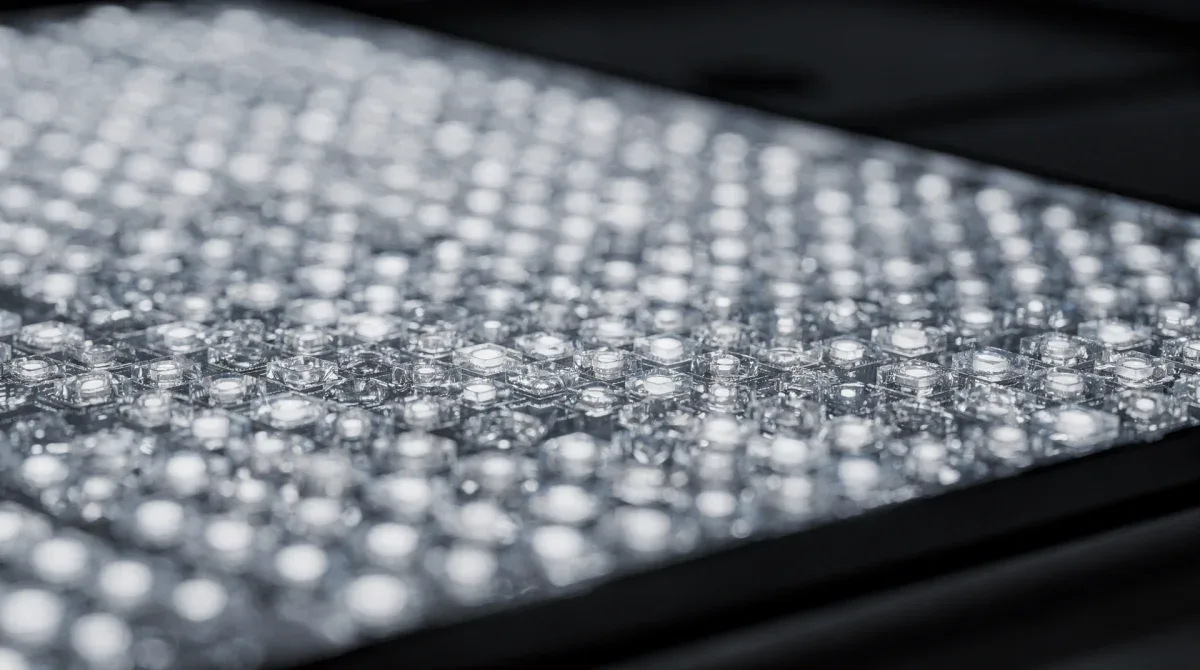
The meticulous engineering behind Mini-LED technology is evident in its ability to deliver such nuanced visual performance. The tiny LEDs, often numbering in the tens of thousands, are individually addressable or grouped into very small zones, allowing for unparalleled control over the light output. This precision is what gives Mini-LED its characteristic pop and depth, making every frame feel incredibly lifelike. The density of these LEDs also contributes to a smoother and more uniform image, eliminating hot spots or uneven lighting that can sometimes plague larger projection screens.
Furthermore, the advancements in processor technology within Mini-LED TVs play a pivotal role in optimizing this hardware. Sophisticated algorithms analyze incoming video signals in real-time, dynamically adjusting local dimming zones to maximize contrast and brightness without introducing artifacts. This intelligent processing ensures that the display consistently delivers the best possible image quality, adapting to the nuances of each scene. The synergy between the physical backlight array and the processing engine is what truly unlocks the full potential of Mini-LED, making it a formidable force in the display market.
Installation, flexibility, and space considerations
Beyond picture quality, practical aspects like installation, flexibility, and space requirements play a significant role in determining the ideal home entertainment solution. Here, 98-inch Mini-LED displays and $2,000 projectors present distinct advantages and challenges that cater to different user needs and living situations.
A 98-inch Mini-LED display, while large, is a single, self-contained unit. Installation typically involves mounting it on a wall or placing it on a sturdy stand. Once installed, it's ready to go, requiring minimal ongoing adjustments. This simplicity is a major draw for many consumers who prefer a streamlined setup without the complexities often associated with projection systems.
Installation and space comparison
- Mini-LED: Single unit, easier wall mounting or stand placement, less cable management.
- Projector: Requires projector placement, screen installation, careful alignment, and often ceiling mounting.
- Room aesthetics: Mini-LED offers a cleaner, more integrated look; projector setup can be more intrusive.
- Flexibility: Projectors offer variable screen sizes, but Mini-LED offers consistent quality regardless of environment.
Projectors, on the other hand, demand a more involved installation process. Not only does the projector itself need to be mounted (often on the ceiling for optimal placement), but a dedicated screen is also required, which must be carefully positioned and aligned. This often involves running cables across the room and ensuring the viewing area is free of obstructions. The overall footprint of a projector setup, including the projector, screen, and necessary throw distance, can be considerably larger and more complex.
Furthermore, the flexibility of a projector, while offering variable screen sizes, is often constrained by room dimensions and ambient light. A Mini-LED display, by contrast, delivers a consistent picture regardless of how much light is in the room, making it a more versatile option for diverse viewing habits. While a 98-inch TV is a substantial piece of furniture, its integrated design often makes it feel less intrusive than a full projector and screen setup, especially in multi-purpose living spaces.
The cost of ownership: Beyond the initial price tag
When comparing 98-inch Mini-LED displays with $2,000 home projectors, it's essential to look beyond the initial purchase price and consider the total cost of ownership. This includes factors like power consumption, maintenance, and potential future upgrades, which can significantly impact the long-term value proposition of each option.
For a $2,000 projector, the initial investment is just the beginning. Projector lamps have a finite lifespan, typically ranging from 2,000 to 5,000 hours, and replacements can cost anywhere from $100 to $500, depending on the model. For frequent viewers, this can become a recurring expense every few years. Additionally, projectors often consume more power than equivalent flat-panel displays, adding to electricity bills over time.
Long-term cost considerations
- Projector lamp life: Replacement costs can be significant over the projector's lifespan.
- Power consumption: Projectors generally consume more electricity than Mini-LED TVs.
- Screen costs: A dedicated projector screen adds to the overall investment.
- Longevity of technology: Mini-LEDs typically have longer operational lifespans without major component replacement.
Mini-LED displays, while often having a higher upfront cost for the 98-inch size, generally have a lower cost of ownership. They are designed for tens of thousands of hours of operation without needing major component replacements like lamps. Their power consumption, while higher than smaller TVs, is often more efficient than a projector running at full brightness. Furthermore, the technology itself is rapidly evolving, but the core display panel is expected to last for many years without significant degradation.
The investment in a high-quality projector screen also needs to be factored into the total cost for a projector setup. These screens can range from a few hundred to over a thousand dollars, depending on size, material, and features like ambient light rejection. A Mini-LED TV, on the other hand, is an all-in-one solution, eliminating the need for additional display surfaces. Therefore, while the sticker price of a 98-inch Mini-LED might seem daunting, its long-term economic advantages can make it a more cost-effective choice for many consumers over time.
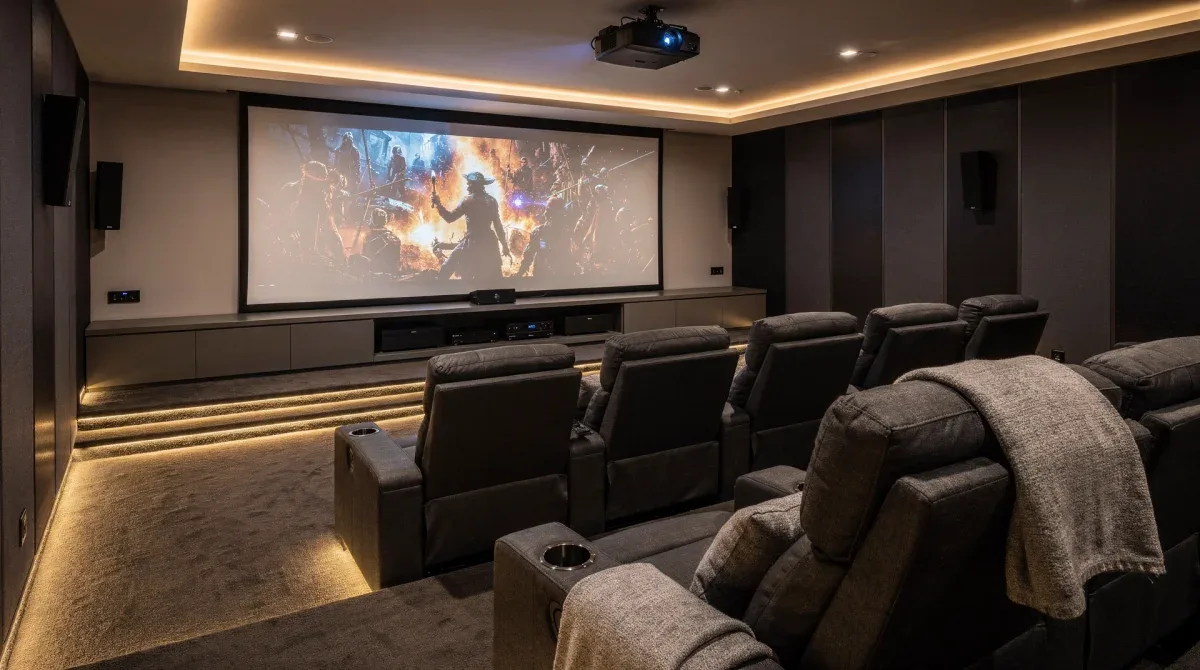
The financial implications extend beyond just the hardware. Consider the environmental impact as well. The disposal of projector lamps, which often contain mercury, can be a concern. Mini-LED TVs, while larger, are typically more energy-efficient per square inch of display area, contributing to a lower carbon footprint during operation. These subtle yet important factors contribute to the overall value proposition and sustainability of each technology, influencing consumer choices beyond immediate budgetary constraints.
Moreover, the resale value of a large-format Mini-LED TV might hold up better over time compared to a projector, especially as projector technology continues to advance rapidly. While both technologies will eventually be superseded, the integrated nature and broad appeal of a large TV could offer a more stable asset in the long run. This holistic view of cost, encompassing both direct expenses and less tangible aspects, is crucial for making an informed decision about home entertainment investments.
Future-proofing your home entertainment choice
In the rapidly evolving world of display technology, future-proofing your home entertainment investment is a significant consideration. The pace of innovation means that today's cutting-edge technology can quickly become outdated. Evaluating how 98-inch Mini-LED displays and $2,000 projectors stand up to future trends in content and connectivity is vital for making a wise decision.
Mini-LED displays are inherently well-positioned for future content. Their high brightness, superior contrast, and excellent color reproduction make them ideal for displaying upcoming HDR standards and even higher resolution content, such as 8K, which is slowly gaining traction. Modern Mini-LED TVs also come equipped with the latest HDMI standards (HDMI 2.1), supporting features like 4K at 120Hz, Variable Refresh Rate (VRR), and Auto Low Latency Mode (ALLM), which are crucial for next-generation gaming consoles and high-fidelity media players.
Technological longevity and upgrades
- Mini-LED: Equipped with advanced processing and HDMI 2.1, supporting future content and gaming.
- Projector: Upgrade cycles for projectors can be slower, and some features might require external devices.
- Software updates: Smart TV platforms on Mini-LEDs receive regular updates, enhancing functionality.
- Durability: Solid-state display is generally less prone to physical degradation than projector components.
Projectors, while capable of displaying high-resolution content, often lag behind TVs in adopting the very latest connectivity standards and smart features. While many modern projectors offer solid performance, integrating them into a smart home ecosystem or utilizing the newest gaming features might require additional external devices or adapters. Upgrading a projector often means replacing the entire unit, which can be a more significant investment than simply updating a TV's software or adding a new streaming stick.
The integrated smart TV platforms found in Mini-LED displays also offer a distinct advantage. These platforms receive regular software updates, adding new apps, improving user interfaces, and enhancing overall functionality. This continuous improvement ensures that the display remains relevant and functional for years to come, adapting to new streaming services and content formats without requiring hardware changes. This robust ecosystem makes Mini-LED a more resilient choice against the rapid advancements in digital media.
The verdict: Is Mini-LED the projector killer?
After a thorough examination of 98-inch Mini-LED displays and $2,000 home projectors, the question remains: Can these large-format TVs truly replace dedicated projectors? The answer, while nuanced, leans heavily towards Mini-LED for a majority of consumers, especially those prioritizing versatility, picture quality, and ease of use in diverse viewing environments.
Mini-LED technology offers a compelling package of superior brightness, contrast, and color accuracy, which directly translates to a more impactful and consistent viewing experience. Its ability to perform exceptionally well in both dark and ambient-lit rooms gives it a significant advantage over projectors, which typically require strict light control for optimal performance. For those who enjoy watching movies, sports, or gaming at various times of the day, the Mini-LED provides an unparalleled level of flexibility.
Key takeaways for making your choice
- Picture quality: Mini-LED generally offers superior brightness, contrast, and color accuracy.
- Viewing environment: Mini-LED excels in both dark and lit rooms, while projectors need darkness.
- Ease of installation: Mini-LED is a simpler, all-in-one solution.
- Cost of ownership: Projectors have recurring lamp replacement costs.
- Immersion: Projectors still offer the largest possible screen size, but Mini-LED comes very close in perceived size.
While projectors still hold the crown for achieving the absolute largest screen sizes, the gap is narrowing significantly with 98-inch Mini-LEDs providing a truly immersive scale. For many, a 98-inch display is more than sufficient to create a cinematic feel without the complexities of a projector setup. The lower long-term cost of ownership, coupled with advanced smart features and future-proofing capabilities, further strengthens the Mini-LED's position.
Ultimately, the choice depends on individual priorities. If the absolute largest image size is the sole determinant, and a dedicated, light-controlled home theater room is available, a projector might still be a viable option. However, for most modern homes seeking a premium, versatile, and hassle-free entertainment hub, the 98-inch Mini-LED display emerges as a powerful contender, poised to redefine the home theater experience and potentially render the traditional $2,000 projector obsolete for many.
| Key Comparison Point | Brief Description |
|---|---|
| Picture Quality | Mini-LED offers superior brightness, contrast, and color accuracy, especially with HDR content. |
| Viewing Environment | Mini-LED performs well in any lighting; projectors require dark rooms for optimal viewing. |
| Installation & Flexibility | Mini-LED is simpler to install as a single unit; projectors need careful setup, screen, and throw distance. |
| Cost of Ownership | Mini-LED generally has lower long-term costs due to no lamp replacements and better energy efficiency. |
Frequently asked questions about Mini-LED vs. Projectors
Are 98-inch Mini-LED displays truly bright enough for daytime viewing?▼Yes, 98-inch Mini-LED displays are designed with high peak brightness levels, often exceeding 1,000 nits. This makes them exceptionally well-suited for viewing in rooms with significant ambient light, providing a vibrant and clear picture even during the day, unlike most home projectors.
What are the main advantages of a 98-inch Mini-LED over a $2,000 projector?▼The primary advantages include superior brightness, contrast, and color accuracy, particularly for HDR content. Mini-LEDs also offer easier installation, lower long-term ownership costs (no lamp replacements), and better performance in well-lit environments, making them more versatile for daily use.
Do projectors still have any advantages over large Mini-LED TVs?▼Projectors maintain an advantage in achieving truly massive screen sizes, often exceeding 120 inches, which 98-inch TVs cannot match. For dedicated home theater rooms with strict light control, the sheer scale of a projected image can still offer a unique, deeply immersive cinematic experience that some prefer.
How does Mini-LED technology enhance the picture quality for movies and gaming?▼Mini-LEDs use thousands of tiny LEDs for backlighting, creating many local dimming zones. This precision allows for deeper blacks, brighter whites, and greater contrast, which is crucial for dynamic HDR content and immersive gaming visuals. It minimizes blooming and enhances detail in both dark and bright scenes.
Is the installation of a 98-inch Mini-LED display complicated?▼While a 98-inch Mini-LED display is large and heavy, its installation is generally simpler than a projector setup. It involves either wall-mounting or placing it on a sturdy stand. Projectors, by contrast, require careful placement, screen installation, and often ceiling mounting, along with precise alignment and cable management.
Conclusion
The debate between 98-inch Mini-LED displays and dedicated $2,000 home projectors is a fascinating reflection of the rapid advancements in home entertainment technology. While projectors have long been the traditional choice for cinematic scale, the rise of large-format Mini-LED TVs presents a formidable challenge. These displays offer a compelling blend of superior picture quality, remarkable brightness, and enhanced versatility, making them an increasingly attractive option for modern consumers. For those seeking a premium, hassle-free, and future-proof home theater experience that performs exceptionally well in any lighting condition, the 98-inch Mini-LED display stands out as a powerful contender, poised to redefine what's possible in the living room.
