Robot Vacuum Buying Checklist: Suction, Mops, and More
This robot vacuum buying checklist guides consumers through essential features like suction power, mop types, navigation systems, and smart functionalities to help them select the ideal device for their specific cleaning needs and home environment.
Navigating the burgeoning market of automated home cleaning can feel overwhelming, but a comprehensive robot vacuum buying checklist is your essential tool. From understanding the nuances of suction power, like the difference between 2,000Pa and a staggering 8,000Pa, to evaluating the efficacy of single versus dual-roller mop systems, this guide will equip you with the knowledge to make an informed decision and find the perfect robot vacuum for your home.
Understanding suction power: 2,000Pa versus 8,000Pa
When you begin your search for a robot vacuum, one of the first specifications you'll encounter is suction power, typically measured in Pascals (Pa). This metric directly correlates with the vacuum's ability to lift dirt, dust, pet hair, and debris from various surfaces. It's not just a number; it's a critical indicator of cleaning performance, especially if you have particular cleaning challenges in your home.
A robot vacuum with 2,000Pa suction power is generally considered a good entry point for light cleaning tasks. These models are often sufficient for homes with hard floors and minimal pet hair, effectively picking up everyday dust and small crumbs. They offer a balance between performance and energy consumption, making them a popular choice for those seeking basic automated cleaning without a hefty price tag.
The power of higher suction for deeper cleaning
Stepping up to a robot vacuum with 8,000Pa suction power or more signifies a significant leap in cleaning capability. These high-powered machines are designed to tackle more demanding environments. Think about homes with thick carpets, multiple pets that shed heavily, or areas prone to fine dust and stubborn dirt. The increased suction can pull deeply embedded particles from carpet fibers and handle larger debris with ease.
- Deep carpet cleaning: Higher Pa ratings excel at extracting dirt from plush carpets.
- Pet hair management: Essential for homes with furry companions, preventing accumulation.
- Fine dust removal: More effective at capturing microscopic allergens and dust.
- Versatility: Better performance across a wider range of floor types, from hardwood to high-pile rugs.
While higher suction power often means a higher price point and potentially more noise, the enhanced cleaning efficiency can be a worthwhile investment for many households. It translates to less manual cleaning and a noticeably cleaner living space.
The choice between 2,000Pa and 8,000Pa ultimately depends on your specific needs. Assess your home's flooring types, the presence of pets, and your general cleaning demands. For most urban apartments with hard floors and no pets, 2,000Pa might suffice. However, for larger homes with mixed flooring and pets, the robust power of 8,000Pa offers a superior cleaning experience.
Evaluating mop systems: Single pad versus dual-roller mops
Beyond vacuuming, many modern robot cleaners offer mopping capabilities, transforming them into versatile 2-in-1 devices. The effectiveness of the mopping function largely hinges on the design of its system. You'll typically encounter two main types: single-pad mopping and the more advanced dual-roller mop systems. Understanding the differences is crucial for achieving truly clean floors.
Single-pad mopping systems are the more common and often more affordable option. These robots typically attach a microfiber pad to their underside, which is kept damp by a water reservoir. As the robot moves, the pad wipes the floor, essentially dragging a wet cloth across the surface. This method is effective for light surface cleaning, removing fresh spills, and maintaining a general level of cleanliness on hard floors.
The innovation of dual-roller mops
Dual-roller mop systems represent a significant upgrade in mopping technology. Instead of a static pad, these robots feature two rotating rollers, often with textured surfaces, that actively scrub the floor. This dynamic action, combined with a continuous water supply and sometimes even cleaning solution, allows them to tackle tougher stains and provide a deeper clean.
- Enhanced scrubbing: Dual rollers apply more pressure and agitation, dislodging dried-on grime.
- Consistent cleaning: The rollers are continuously wetted and often self-cleaned, preventing the spread of dirt.
- Improved stain removal: More effective against sticky messes and older, set-in stains.
- Better floor coverage: The active scrubbing motion ensures more thorough contact with the floor surface.
Some advanced dual-roller systems even incorporate a self-cleaning base station that washes and dries the mop rollers, eliminating the need for manual intervention after each cleaning cycle. This feature significantly boosts convenience and hygiene, ensuring your robot is always ready for its next mopping task without harboring bacteria or odors.

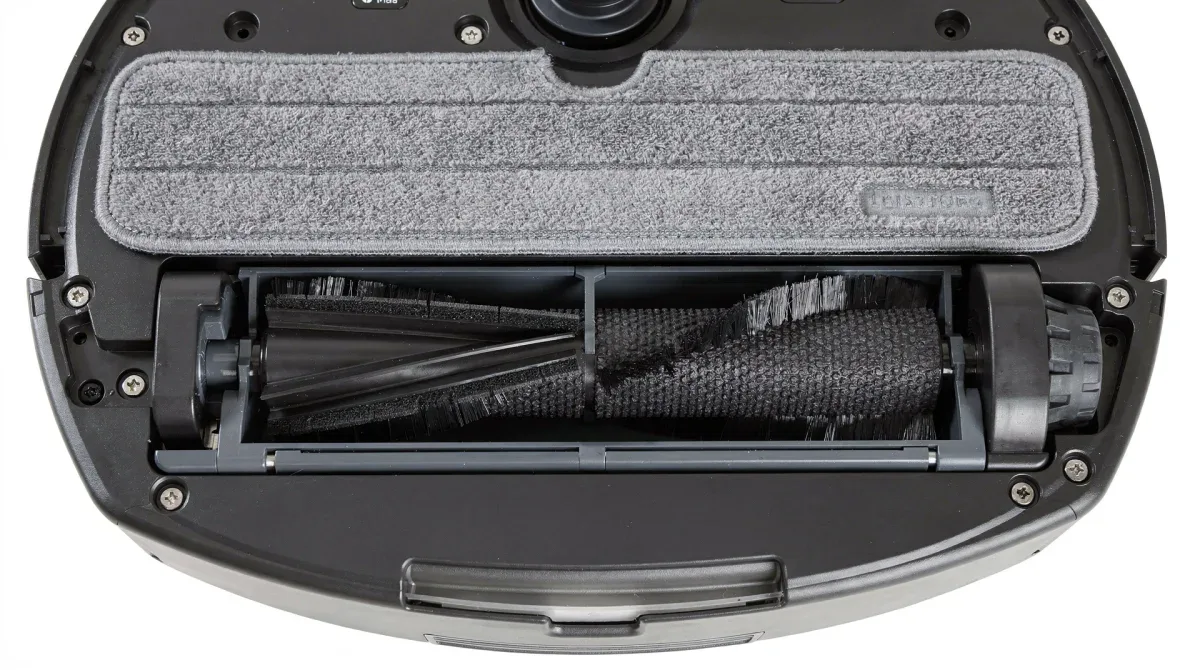
When considering a mop system, think about the type of messes you typically face. If your floors only require light maintenance, a single-pad system might be sufficient. However, for homes with active families, pets, or a desire for a deeper, more hygienic clean, investing in a robot with a dual-roller mop system will likely yield more satisfying results and reduce your overall cleaning effort.
Navigation and mapping technology: LiDAR, VSLAM, and obstacle avoidance
A robot vacuum's ability to navigate your home efficiently and intelligently is as crucial as its cleaning power. Early models often bumped around randomly, but modern robot vacuums employ sophisticated navigation and mapping technologies to create efficient cleaning paths and avoid obstacles. The two primary technologies are LiDAR and VSLAM, each offering distinct advantages.
LiDAR (Light Detection and Ranging) technology uses a rotating laser to scan the room, creating a highly accurate and detailed map of your home's layout. This allows the robot to plan the most efficient cleaning routes, avoid missing spots, and navigate around furniture with precision. LiDAR-equipped robots are excellent at mapping in various lighting conditions, including complete darkness, and are generally faster at initial mapping.
VSLAM and advanced obstacle avoidance
VSLAM (Visual Simultaneous Localization and Mapping) utilizes a camera to capture visual information of the surroundings, constructing a map while simultaneously tracking its own position. VSLAM systems can recognize specific objects and learn their locations, potentially leading to smarter interaction with the environment. However, VSLAM can be less effective in low-light conditions compared to LiDAR.
- LiDAR precision: Creates accurate floor plans, excellent for systematic cleaning.
- VSLAM object recognition: Can identify and adapt to specific items, potentially offering more dynamic cleaning.
- No-go zones & virtual walls: Both technologies allow you to set boundaries, preventing the robot from entering certain areas or disturbing fragile items.
- Multi-floor mapping: Advanced models can store maps for multiple levels of your home, ideal for multi-story houses.
Beyond mapping, effective obstacle avoidance is paramount. Basic robots might just bump into objects, but advanced models use a combination of infrared sensors, cameras, and even AI to detect and circumnavigate obstacles like pet waste, charging cables, and small toys. This prevents damage to the robot and your belongings, ensuring a smoother cleaning experience.
The quality of a robot vacuum's navigation and mapping directly impacts its efficiency and your satisfaction. A robot that consistently gets stuck or misses areas will be more frustrating than helpful. Prioritize models with proven navigation systems and robust obstacle avoidance to ensure a truly autonomous and effective cleaning solution for your home.
Battery life and charging solutions: Autonomy for larger homes
The operational autonomy of a robot vacuum is a critical factor, especially for larger homes or those with extensive cleaning needs. Battery life determines how much area a robot can cover on a single charge, while intelligent charging solutions ensure it can complete its tasks without constant human intervention. Neglecting these aspects can lead to an incomplete cleaning cycle and a less satisfying user experience.
Most robot vacuums offer a run time ranging from 60 minutes to over 180 minutes on a full charge. For smaller apartments or homes with predominantly hard floors, a shorter battery life might be sufficient. However, for multi-room houses with mixed flooring, particularly carpets, a robot with a longer battery life is essential to ensure it can cover the entire cleaning area without needing to recharge mid-cycle.
Smart charging and self-emptying docks
Modern robot vacuums are equipped with smart charging capabilities. When the battery runs low, the robot automatically returns to its charging dock. More advanced models can resume cleaning exactly where they left off once sufficiently recharged, ensuring a complete cleaning cycle for even the largest homes. This feature, often called 'recharge and resume,' is a game-changer for convenience.
- Recharge and resume: Ensures full home coverage even with multiple charging stops.
- Docking station placement: Consider an accessible location for the dock, away from high-traffic areas.
- Self-emptying docks: A premium feature where the robot automatically empties its dustbin into a larger bag in the dock, extending autonomy for weeks.
- Fast charging: Some models offer quicker charging times, minimizing downtime between cleaning sessions.
Self-emptying docks have become increasingly popular, especially for pet owners or those with allergies. These docks contain a larger disposable bag that can hold weeks or even months of debris, drastically reducing how often you need to interact with the robot. While adding to the initial cost, the convenience and hygiene benefits are substantial, making the robot truly hands-off for extended periods.
When evaluating battery life and charging solutions, consider the size of your home, the types of flooring, and your desire for minimal interaction. A robot that can clean your entire home on one charge, or intelligently recharge and resume, coupled with a self-emptying dock, offers the highest level of autonomy and convenience, making your investment truly worthwhile.
Smart features and connectivity: App control, voice commands, and automation
The 'smart' aspect of robot vacuums extends far beyond their ability to clean autonomously; it encompasses a suite of features that enhance user control, convenience, and integration into a smart home ecosystem. App control, voice commands, and advanced automation capabilities are key differentiators that elevate the user experience from a simple cleaning device to an intelligent home assistant.
Most modern robot vacuums come with a dedicated smartphone app. This app serves as the command center for your robot, allowing you to initiate or schedule cleaning sessions, view cleaning maps, set virtual no-go zones, adjust suction power and water flow, and monitor the robot's status from anywhere. The intuitive interface of a well-designed app can significantly enhance the usability and effectiveness of your robot vacuum.
Voice control and seamless smart home integration
Integration with voice assistants like Amazon Alexa and Google Assistant has become a standard smart feature. This allows you to start, stop, or pause cleaning simply by using voice commands, adding another layer of convenience, especially when your hands are full. The ability to control your robot without needing to open an app or physically interact with the device is a significant advantage for a truly smart home.
- Customizable cleaning schedules: Set specific times and days for cleaning, tailored to your routine.
- Zone cleaning: Direct the robot to clean specific rooms or areas as needed, ideal for targeted messes.
- Integration with smart home platforms: Connects with other smart devices for comprehensive home automation routines.
- Firmware updates: Over-the-air updates often introduce new features and improve existing ones, extending the robot's lifespan.
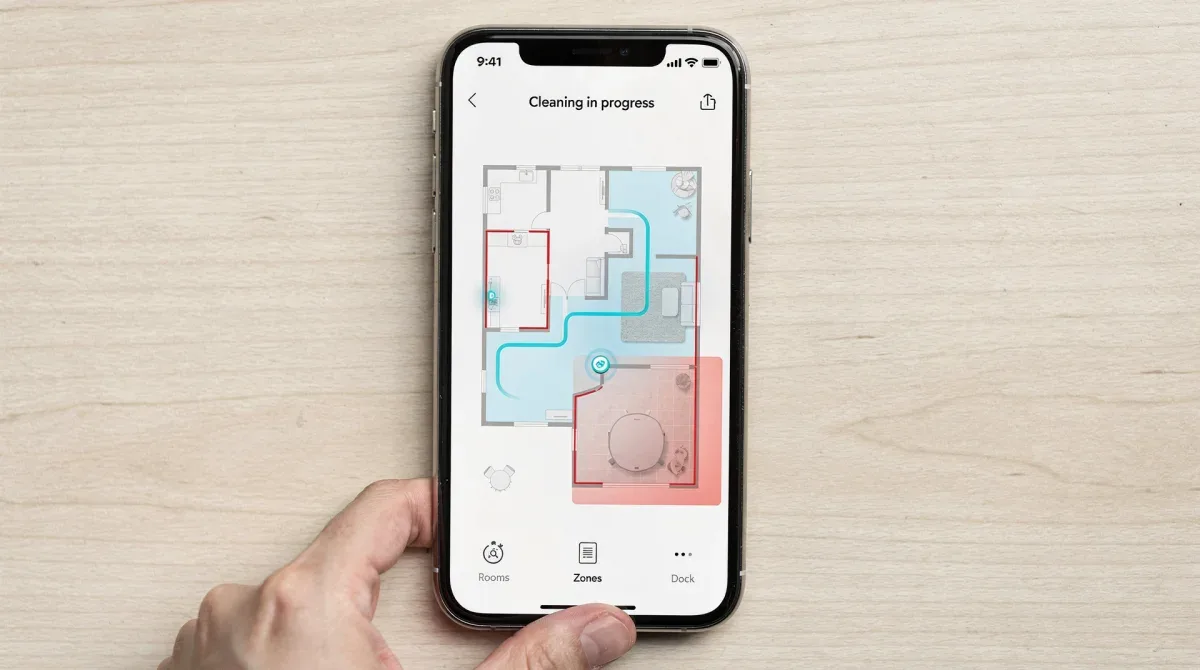
Advanced automation features include the ability to create cleaning routines based on your home's layout or even integrate with other smart home devices. For example, your robot could start cleaning automatically when you leave the house, or pause if a smart sensor detects an open window. These capabilities move beyond simple remote control, enabling a truly personalized and efficient cleaning regimen.
When considering smart features, think about how seamlessly the robot integrates into your existing smart home setup and how much control and customization you desire. A robust app, reliable voice control, and options for advanced automation will ensure your robot vacuum is not just a cleaner, but an intelligent and convenient addition to your connected home.
Maintenance and durability: Longevity and long-term cost of ownership
Investing in a robot vacuum is a commitment, and understanding the maintenance requirements and overall durability of a model is essential for gauging its long-term cost of ownership and ensuring its longevity. A robot that is difficult to maintain or prone to frequent breakdowns can quickly negate any initial savings or convenience benefits.
Regular maintenance is key to keeping your robot vacuum performing optimally. This typically involves emptying the dustbin, cleaning or replacing filters, clearing hair from brushes, and wiping down sensors. Some robots are designed for easier maintenance than others, with accessible components and clear indicators for when parts need attention. Look for models where filters and brushes are easy to remove and clean, and readily available for replacement.
Components and build quality for lasting performance
The durability of a robot vacuum is often reflected in its build quality and the materials used. Models with robust construction, high-quality plastics, and well-engineered moving parts tend to withstand daily use better. Reviews and long-term user feedback can provide valuable insights into a particular model's reliability and common issues.
- Filter replacement: HEPA filters are crucial for allergy sufferers and need regular replacement.
- Brush maintenance: Main and side brushes accumulate hair and debris, requiring frequent cleaning.
- Sensor cleaning: Keeping sensors clear of dust ensures optimal navigation and obstacle avoidance.
- Battery longevity: Lithium-ion batteries degrade over time; consider models with easily replaceable batteries or long-term battery warranties.
The availability and cost of replacement parts are also significant factors. Check if common consumables like filters, brushes, and mop pads are easily purchasable and reasonably priced. Some manufacturers offer subscription services for replacement parts, which can be convenient. A robot vacuum that requires proprietary, expensive parts for basic maintenance can quickly become a financial burden.
Ultimately, a durable robot vacuum with straightforward maintenance requirements will offer the best long-term value. Prioritize models that are not only effective cleaners but also designed for easy upkeep and built to last, ensuring your investment continues to pay off in convenience and cleanliness for years to come.
| Key Feature | Description |
|---|---|
| Suction Power (Pa) | Determines debris lifting capability; 2,000Pa for light, 8,000Pa+ for deep cleaning. |
| Mopping System | Single pad for light wipes, dual-roller for active scrubbing and deeper clean. |
| Navigation Tech | LiDAR for precise mapping, VSLAM for visual object recognition and mapping. |
| Smart Features | App control, voice commands, and automation for enhanced user experience. |
Frequently asked questions about robot vacuums
What suction power is best for pet hair?▼For pet hair, especially from multiple or long-haired pets, a robot vacuum with at least 4,000Pa, and ideally 6,000Pa to 8,000Pa or more, is recommended. Higher suction ensures effective removal of embedded hair from carpets and efficient pickup on hard floors, preventing accumulation and reducing allergens in your home.
Are dual-roller mops worth the extra cost?▼Dual-roller mops often justify their higher cost by providing a significantly deeper and more effective clean than single-pad systems. They actively scrub floors, tackling dried-on stains and grime more efficiently. For homes with frequent spills, sticky messes, or a desire for superior mopping performance, the investment is usually worthwhile.
How important is LiDAR navigation for a robot vacuum?▼LiDAR navigation is highly important for efficient and thorough cleaning. It allows the robot to create precise maps of your home, plan optimal routes, and avoid obstacles effectively. This leads to faster cleaning times, fewer missed spots, and a reduced likelihood of the robot getting stuck, enhancing overall user satisfaction and performance.
Can robot vacuums truly replace traditional vacuum cleaners?▼While advanced robot vacuums can handle most daily cleaning tasks exceptionally well, they may not entirely replace traditional vacuum cleaners for every situation. They excel at maintenance cleaning, but a powerful upright or canister vacuum might still be necessary for deep cleaning specific areas, tackling very heavy debris, or cleaning stairs and upholstery.
What maintenance do robot vacuums require?▼Robot vacuums require regular maintenance including emptying the dustbin after each use, cleaning or replacing filters every 1-3 months, removing hair from main and side brushes weekly, and wiping down sensors periodically. Some models also require cleaning or replacing mop pads, and self-emptying docks need their bags replaced every few weeks.
Making your final robot vacuum decision
Choosing the right robot vacuum involves more than just picking the first model you see; it requires a thoughtful evaluation of your specific home environment and cleaning priorities. By systematically considering factors like suction power, mopping capabilities, navigation technology, battery life, smart features, and maintenance, you can confidently select a device that not only meets your expectations but also genuinely enhances your daily life. Remember, the ideal robot vacuum is one that seamlessly integrates into your routine, providing consistent, effective cleaning with minimal effort on your part, ultimately freeing up your time for more important things.
