Streaming Account Sharing: 4 Authorized Methods for Multi-Screen Entertainment
Effectively managing streaming account sharing within authorized limits is crucial for multi-screen entertainment, ensuring compliance with service terms while maximizing household access to diverse content legally and without interruption.
Navigating the evolving landscape of streaming services can be complex, especially when it comes to sharing your subscriptions. Understanding streaming account sharing restrictions and the authorized methods to manage multi-screen entertainment is more important than ever to ensure continuous access to your favorite content without violating terms of service.
Understanding the evolving landscape of streaming service policies
The world of digital entertainment is constantly shifting, with streaming services continually updating their policies regarding account usage and sharing. What was once a relatively lax approach has now become a more stringent enforcement of rules, driven by a desire to curb revenue loss and ensure fair usage. These changes often reflect the growing competition in the streaming market and the need for platforms to optimize their business models.
For many subscribers, the ability to share accounts with family and friends has been a significant perk, allowing households to pool resources and access a wider array of content. However, as services like Netflix, Disney+, and Hulu refine their strategies, it's essential to stay informed about what constitutes legitimate sharing and what could lead to account suspension. Ignoring these policies can result in unexpected interruptions to your entertainment.
The shift towards stricter enforcement
Initially, many streaming services were somewhat ambiguous about account sharing, often turning a blind eye to practices that extended beyond a single household. This leniency, however, proved unsustainable in the long run. The rise of password sharing as a widespread phenomenon prompted a reevaluation of policies, leading to the implementation of more sophisticated detection mechanisms and stricter terms. This shift is not merely about revenue; it's also about maintaining the perceived value of a subscription.
- Technological advancements: Services now employ IP address tracking, device recognition, and activity pattern analysis to detect unauthorized sharing.
- Geographical restrictions: Many platforms enforce rules based on the primary residence of the account holder, limiting access from distant locations.
- User education: Streaming providers are increasingly communicating their sharing policies more clearly to subscribers, often through in-app notifications and updated FAQs.

These stricter measures are designed to encourage individual subscriptions while still offering legitimate ways for households to enjoy content together. It's a delicate balance, as services aim to protect their intellectual property and revenue streams without alienating their loyal customer base.
Ultimately, understanding these evolving policies is the first step towards navigating the complexities of streaming account sharing. By being aware of the rules, subscribers can make informed decisions about how they utilize their accounts, ensuring compliance and uninterrupted entertainment.
Authorized method 1: household profiles and concurrent streams
One of the most common and authorized methods for managing multi-screen entertainment involves utilizing household profiles and understanding concurrent stream limits. Most major streaming services are designed with the assumption that multiple individuals within a single household will access the account, often simultaneously. This design choice caters to the diverse viewing habits of families and cohabitants.
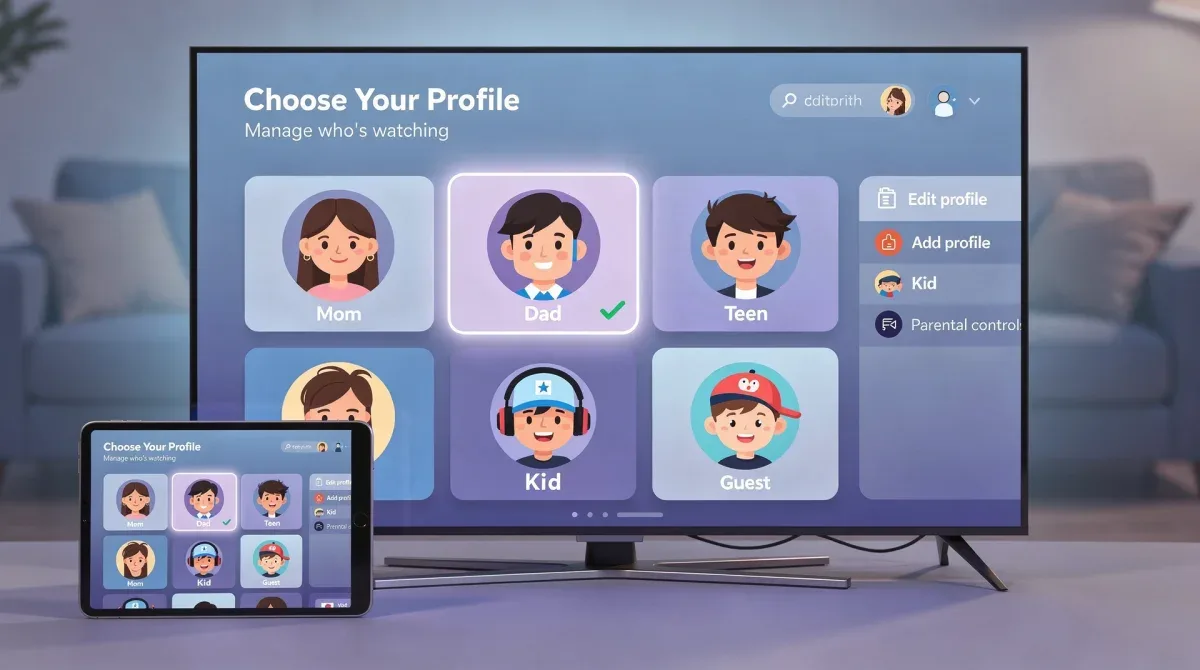
Creating individual profiles within a single account allows each user to have a personalized viewing experience. This includes tailored recommendations, separate watch histories, and customized queues, enhancing the overall user satisfaction. It also helps in keeping content organized, preventing one person's viewing habits from affecting another's recommendations.
Leveraging distinct user profiles
User profiles are more than just a convenience; they are a fundamental aspect of authorized account sharing within a household. By setting up a unique profile for each family member, you effectively compartmentalize their viewing data. This not only improves the individual experience but also helps the streaming service understand usage patterns better, which can inform future content recommendations and service improvements.
- Personalized recommendations: Each profile receives suggestions based on its own watch history.
- Separate watch lists: Users can curate their own lists of movies and shows to watch.
- Parental controls: Profiles for children can be set with specific content restrictions and maturity ratings.
The ability to switch between profiles seamlessly on various devices ensures that everyone in the household can enjoy their preferred content without interfering with others' viewing preferences. This functionality is a cornerstone of the multi-screen entertainment experience many families have come to expect.
Beyond profiles, the number of concurrent streams allowed by a subscription plan is crucial. Most services offer different tiers, each with a specific limit on how many devices can stream content simultaneously. Understanding your plan's limit is vital to avoid interruptions when multiple household members are trying to watch at the same time. Upgrading your plan might be a viable option if your household frequently hits these limits, ensuring everyone can watch what they want, when they want.
Authorized method 2: designated family plans and add-ons
Many streaming providers recognize the need for broader sharing options and have introduced designated family plans or add-ons to accommodate this. These plans are specifically designed to allow a greater number of users or devices to access the service, often with enhanced features that cater to multiple users. This approach provides a legitimate pathway for families, even those with members in different locations (within certain geographical constraints), to share a single subscription.
Family plans typically come with a higher subscription fee than individual plans, but they often offer significant savings compared to each family member purchasing a separate subscription. The value proposition lies in the expanded access and features, which can include more concurrent streams, additional user profiles, and sometimes even access to exclusive content libraries.
Exploring specific family plan benefits
The benefits of opting for a family plan extend beyond just the increased number of users. These plans are often bundled with features that enhance the collective viewing experience. For instance, some family plans might offer offline viewing capabilities for more devices, making them ideal for households where members commute or travel frequently. Others might integrate with smart home devices more seamlessly, allowing for a more interconnected entertainment ecosystem.
- Cost-effectiveness: Often cheaper than multiple individual subscriptions.
- Expanded device support: More devices can be logged in and stream simultaneously.
- Centralized billing: Simplifies subscription management and payment.
It's important to carefully review the terms and conditions of each family plan, as restrictions can vary significantly between services. Some plans might still impose geographical limitations, requiring all users to reside in the same country or even the same IP network range for a certain period. Understanding these nuances will prevent any unexpected issues down the line.
Add-ons also play a crucial role in expanding sharing capabilities. These might include additional screen allowances, extra storage for downloads, or even access to premium channels not included in the base family plan. By strategically utilizing these options, subscribers can tailor their streaming experience to perfectly match the needs of their multi-screen household, ensuring maximum enjoyment within authorized parameters.
Authorized method 3: temporary access for travelers or students
The dynamic nature of modern life often means family members or designated users are not always in the same physical location. Recognizing this, many streaming services offer provisions for temporary access for individuals such as travelers, students living away from home, or even military personnel stationed abroad. These authorized methods ensure that subscribers can continue to enjoy their content even when they are not at their primary residence, without violating the service's terms.
Such provisions are usually time-limited or location-sensitive, meaning access might be granted for a specific duration or require periodic re-verification of the primary account holder's location. The goal is to balance user convenience with the need to prevent widespread, unauthorized sharing that undermines subscription models.
Navigating geo-restrictions while traveling
Geo-restrictions are a significant factor when it comes to temporary access. While a student might be able to use their family's streaming account in a different state, international travel often presents more complex challenges. Services frequently have different content libraries and licensing agreements for different countries, which can affect what a traveler can watch.
- VPN usage: While tempting, using a VPN to bypass geo-restrictions often violates terms of service and can lead to account suspension. It's generally not an authorized method.
- Download features: Many services allow users to download content to their devices for offline viewing, which can be a legitimate workaround for travelers in areas with limited or no internet access.
- Temporary location changes: Some services permit users to temporarily update their primary location, though this usually has limitations on how often it can be changed.
For students, many services offer student discounts or specific student plans that allow for independent access at a reduced rate. These plans are often verified through educational institutions and provide a legitimate way for students to enjoy streaming without relying on a shared family account, especially if they are living in a separate household for an extended period.
It's crucial for users to understand the specific policies of their streaming service regarding temporary access. Checking the FAQ section or contacting customer support before traveling or setting up a student in a new location can save a lot of hassle and ensure continuous, authorized entertainment.
Authorized method 4: gift cards and shared digital wallets
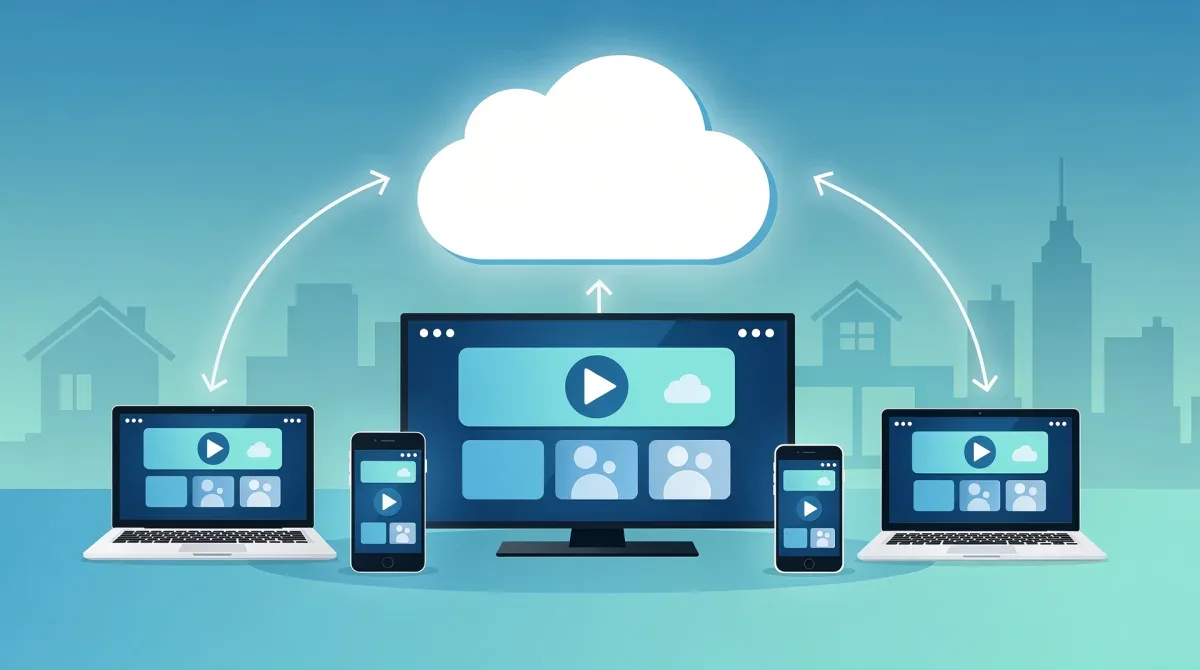
While not directly about sharing an account in the traditional sense, utilizing gift cards and shared digital wallets represents an authorized and increasingly popular method for managing multi-screen entertainment expenses within a group or family. This approach allows individuals to contribute to a central fund that covers subscription costs, effectively sharing the financial burden without explicitly sharing login credentials across multiple, potentially unauthorized, households.
Gift cards for streaming services are widely available and can be purchased by any member of a designated group. These cards can then be redeemed by the primary account holder to cover monthly or annual subscription fees. This method ensures that the account remains under the control of one individual, simplifying management and adherence to terms of service, while still allowing for collective financial support.
Benefits of collective financial contribution
The primary benefit of using gift cards or shared digital wallets is the ability to pool resources for a premium streaming experience. This is particularly useful for extended families or groups of friends who wish to enjoy content together but live in separate residences, where direct account sharing might be prohibited. It transforms a potentially unauthorized sharing scenario into a legitimate financial arrangement.
- Budget management: Helps in collectively managing the cost of multiple subscriptions.
- Avoids password sharing: Eliminates the need to share sensitive login information.
- Flexibility: Contributors can add funds as and when they are able, without being tied to a single billing cycle.
Shared digital wallets or joint bank accounts specifically designated for household expenses can also serve a similar purpose. A designated amount can be deposited into this account by various members, and the primary account holder can then use these funds to pay for streaming subscriptions. This method offers transparency and accountability for all contributors, making it a fair and authorized way to manage entertainment costs.
Furthermore, this method can be beneficial for those who are cautious about linking their personal credit cards to multiple online services. By using gift cards, individuals can maintain a level of privacy and control over their financial details, adding an extra layer of security to their entertainment consumption. It's a pragmatic solution for shared entertainment in a world of evolving digital policies.
Navigating content libraries and regional differences
Beyond account sharing mechanics, understanding the intricacies of content libraries and regional differences is paramount for a seamless multi-screen entertainment experience. Streaming services often have varied content offerings based on geographical location due to licensing agreements and distribution rights. This means that a show or movie available in the US might not be accessible in another country, even if you are using an authorized account.
These regional differences can sometimes lead to frustration for users who expect a consistent content library regardless of their physical location. However, these restrictions are a fundamental part of the global entertainment industry's framework, dictated by complex legal and commercial agreements.
Impact of licensing agreements on content access
Licensing agreements are the bedrock of content distribution on streaming platforms. Film studios, television networks, and production companies grant rights to stream their content within specific territories for a defined period. This fragmentation of rights means that a single streaming service cannot offer the same catalog globally, even if it operates in multiple countries.
- Exclusive content: Many platforms invest heavily in original content to bypass these licensing complexities and offer exclusive titles worldwide.
- Regional variations: Content libraries can differ dramatically, impacting what authorized users can access when traveling.
- Release schedules: New releases often have staggered availability across regions due to different licensing deals.
For authorized users who travel frequently or have family members in different countries, this can pose a challenge. While some services allow temporary access to the local library of the country they are visiting, others may restrict content to the primary account's region. It's crucial to check these policies before traveling to avoid disappointment.
Understanding these regional variations helps set realistic expectations for multi-screen entertainment. Instead of trying to bypass these restrictions, which often violates terms of service, users can focus on maximizing the content available in their current authorized region or utilizing features like downloads for offline viewing when traveling to areas with different content libraries. This pragmatic approach ensures a smoother and more compliant streaming experience for everyone involved.
Future-proofing your streaming account management
As the streaming landscape continues to evolve, future-proofing your account management strategies is essential for uninterrupted multi-screen entertainment. This involves not only staying informed about policy changes but also adopting practices that ensure flexibility and compliance in the long term. The dynamic nature of the industry means that what works today might be updated tomorrow, requiring proactive adaptation from subscribers.
One key aspect of future-proofing is to regularly review the terms of service for all your streaming subscriptions. These documents, often overlooked, contain critical information about account sharing, device limits, and geographical restrictions. A quick review periodically can highlight any new policies that might affect your current sharing arrangements.
Adapting to technological advancements and policy shifts
Streaming services are constantly innovating, both in terms of content delivery and account security. New technologies designed to detect unauthorized sharing are always being developed, making it increasingly difficult to bend the rules. Therefore, adhering to authorized methods is not just about compliance; it's about ensuring the longevity and reliability of your access.
- Embrace official features: Utilize household profiles, family plans, and concurrent stream allowances as intended by the service.
- Stay informed: Follow official announcements from streaming providers regarding policy updates.
- Consider diverse subscription models: Explore hybrid options or ad-supported tiers if they better suit your household's needs and budget while allowing for authorized sharing.
Another important consideration is the consolidation of streaming services. As more content becomes exclusive to specific platforms, families might find themselves subscribing to multiple services. Managing these subscriptions efficiently, perhaps through a centralized digital wallet or a shared budgeting app, can simplify the financial aspect of multi-screen entertainment.
Ultimately, future-proofing your streaming account management means being adaptable and responsible. By understanding and respecting the authorized methods for sharing, you can ensure that your household continues to enjoy a rich and diverse entertainment experience, free from the worries of account suspension or service interruptions, even as the digital world continues its rapid transformation.
| Key Method | Brief Description |
|---|---|
| Household Profiles & Concurrent Streams | Utilize individual profiles and manage within plan's simultaneous stream limits for family members in the same residence. |
| Designated Family Plans | Subscribe to specific family-oriented plans or add-ons that legally support more users or devices. |
| Temporary Access Provisions | Leverage service policies for travelers or students, often with time or location-based restrictions. |
| Gift Cards & Digital Wallets | Share subscription costs indirectly through gift cards or communal digital funds, avoiding direct account sharing. |
Frequently asked questions about streaming account sharing
Can I share my streaming account with family members who live in a different city?▼Most streaming services define account sharing as being within a single household. While some offer family plans that might extend limited access beyond the primary residence, direct sharing with those in different cities often violates terms of service. It's best to check the specific policy of each service or explore options like gift cards for financial contributions.
What happens if a streaming service detects unauthorized account sharing?▼If unauthorized sharing is detected, services typically issue warnings first, such as requiring re-verification of the account holder's location. Repeated violations can lead to temporary suspension or even permanent termination of the account. It's crucial to adhere to the service's terms to avoid losing access to your content.
Are VPNs an authorized method to bypass geo-restrictions for shared accounts?▼No, using VPNs to bypass geo-restrictions is generally against the terms of service for most streaming platforms. While they might allow access to content unavailable in your region, detecting VPN usage can lead to account issues, including warnings, service interruption, or account suspension. It's safer to stick to authorized methods.
How can I manage multiple user profiles effectively within my household?▼To manage multiple profiles effectively, ensure each family member has their own distinct profile. Utilize parental controls for younger viewers and encourage everyone to use their designated profile to maintain personalized recommendations and watch histories. Regularly review who has access and remove any inactive profiles to keep the account organized and secure.
What are the benefits of using a family plan over a standard individual subscription?▼Family plans typically offer more concurrent streams and user profiles, making them ideal for households with diverse viewing habits. They often provide better value than multiple individual subscriptions and simplify billing. Additionally, some family plans include enhanced features like expanded offline downloads or access to a wider range of content for all authorized users.
Conclusion
Navigating the complexities of streaming account sharing in today's digital landscape requires a clear understanding of service policies and a commitment to authorized methods. By utilizing household profiles, opting for family plans, understanding temporary access provisions, and exploring collective financial contributions through gift cards or digital wallets, subscribers can ensure a seamless and compliant multi-screen entertainment experience. Staying informed and adaptable to evolving industry standards is key to maximizing your streaming enjoyment without violating terms of service, allowing everyone in your authorized group to access their preferred content responsibly.
