IMAX with Laser vs. Dolby Cinema: 2026 Blockbuster Showdown
The competition between IMAX with Laser and Dolby Cinema for 2026 Hollywood blockbusters presents a fascinating technical showdown, each offering distinct advantages in picture, sound, and overall immersive experience for discerning moviegoers.
As 2026 approaches, the cinematic landscape is poised for an exciting technical showdown, with IMAX with Laser vs. Dolby Cinema vying for supremacy in presenting Hollywood's biggest blockbusters. Movie enthusiasts are increasingly seeking premium experiences, and these two formats deliver unparalleled immersion, pushing the boundaries of what's possible on the big screen.
The evolution of premium cinema experiences
The quest for the ultimate movie-watching experience has driven continuous innovation in cinema technology. Gone are the days when a simple projector and screen dawned; today's audiences demand more. This evolution has led to the rise of premium large formats, or PLFs, which promise to transport viewers directly into the heart of the story.
IMAX and Dolby Cinema stand at the forefront of this technological arms race. Both have invested heavily in proprietary systems designed to elevate every aspect of the cinematic presentation, from visual fidelity to auditory immersion. Understanding their individual strengths is key to appreciating the nuances of their offerings.
From traditional film to digital mastery
The journey from traditional film projection to advanced digital systems has been transformative. Early digital projectors offered convenience but often lacked the depth and richness of film. However, advancements in resolution, color science, and light sources have bridged this gap, and in many ways, surpassed it. Laser projection, in particular, has revolutionized brightness and color accuracy.
- Digital projection: Offers consistent quality and eliminates wear and tear of physical film prints.
- High resolution: Modern projectors deliver 4K and even 8K resolution, revealing intricate details.
- Color gamut: Expanded color spaces allow for a more vibrant and true-to-life palette.
- Dynamic range: Improved contrast ratios make whites brighter and blacks deeper.
This relentless pursuit of perfection ensures that every frame and every sound wave contributes to a more compelling narrative. As Hollywood studios continue to push creative boundaries, the technology behind the presentation must keep pace, providing the canvas for these grand visions.
Ultimately, the evolution of premium cinema is about breaking down the barriers between the audience and the film itself. By minimizing technical distractions and maximizing sensory engagement, these formats aim to create an experience that transcends mere viewing, becoming a truly immersive event.
IMAX with Laser: unparalleled scale and immersion
IMAX has long been synonymous with large-format cinema, offering audiences an expansive visual experience. The introduction of IMAX with Laser technology further amplified this reputation, bringing significant enhancements in brightness, contrast, and color. This system is designed to fill a viewer's peripheral vision, creating a sense of being enveloped by the film.
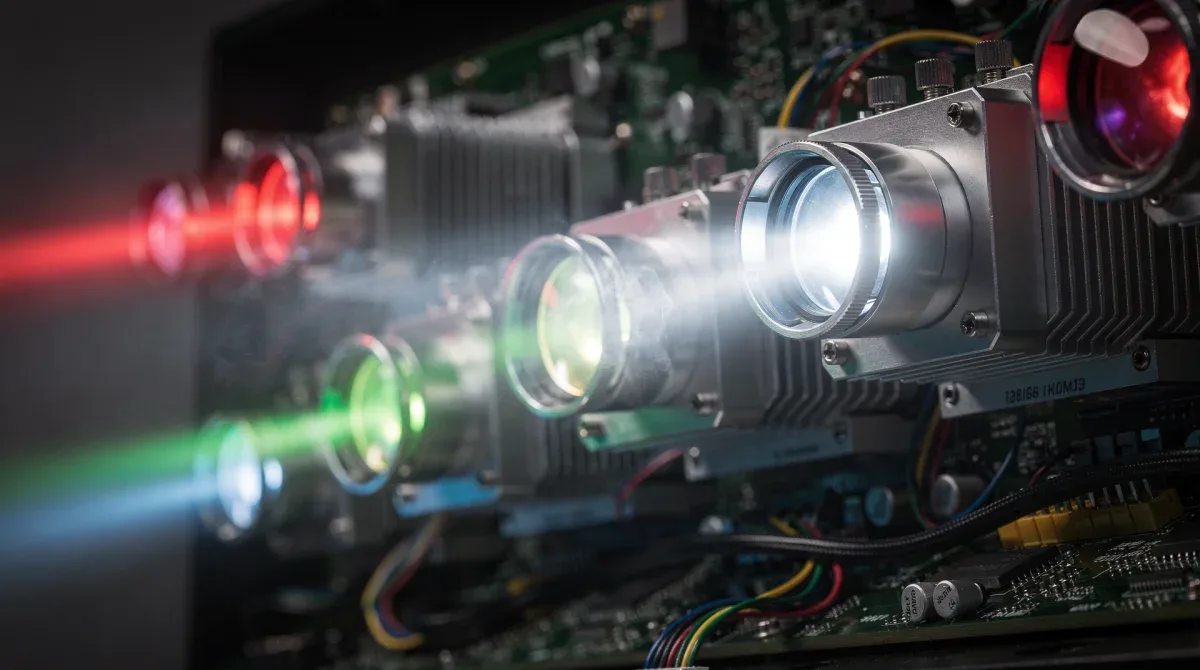
The core of the IMAX with Laser experience lies in its dual 4K laser projection system. This setup delivers incredibly sharp images, even on their massive screens. The laser light source provides a wider color gamut and a much higher contrast ratio compared to traditional xenon lamp projectors. This means more vibrant colors and deeper blacks, revealing details in both the brightest and darkest scenes.
Proprietary projection and sound systems
IMAX's commitment to immersion extends beyond just the screen. Their proprietary projection system is meticulously calibrated to their custom-designed theaters. These theaters feature steeply raked seating, bringing the audience closer to the screen and enhancing the feeling of being part of the action. The geometry of the theater is a critical component of the overall IMAX experience.
- Dual 4K laser projectors: Deliver exceptional brightness and clarity.
- Expanded aspect ratios: Often present more of the film's image than standard cinemas.
- 12-channel sound system: Precise audio placement for a truly immersive soundscape.
- Custom theater design: Optimizes viewing angles and acoustic properties.
The sound system in an IMAX with Laser auditorium is equally impressive. A 12-channel sound system, featuring speakers strategically placed throughout the theater, provides incredibly precise audio. Sounds can appear to move around the audience, adding another layer of realism and immersion. This combination of visual and auditory prowess ensures a truly unforgettable cinematic journey.
For blockbusters filmed with IMAX cameras, the experience is further enhanced, as these films are specifically designed to leverage the format's unique capabilities. The result is a presentation that is as close as possible to the filmmaker's original vision, delivered on a grand scale that captivates and enthralls.
Dolby Cinema: precision, contrast, and object-based audio
Dolby Cinema offers a meticulously crafted premium experience, focusing on precision and fidelity in both picture and sound. This format leverages Dolby Vision for stunning visuals and Dolby Atmos for groundbreaking audio, all within a thoughtfully designed theater environment. The emphasis here is on delivering the filmmaker's intent with exceptional accuracy.
At the heart of Dolby Cinema's visual prowess is Dolby Vision. This HDR (High Dynamic Range) technology employs dual 4K laser projectors to achieve an astonishing contrast ratio and an incredibly wide color gamut. The blacks are truly black, and the highlights are blindingly bright, creating a sense of depth and realism that is hard to match. Every pixel is optimized for maximum impact.
Dolby Vision and Dolby Atmos explained
Dolby Vision goes beyond simple brightness; it’s about how light and color are managed across the entire image. This dynamic metadata system ensures that each scene, and even each frame, is presented with optimal contrast and color. The result is an image that feels more lifelike, with subtle details emerging from shadows and vibrant colors popping off the screen.
- Dolby Vision: Dual 4K laser projectors with superior brightness and contrast.
- Dolby Atmos: Object-based audio for three-dimensional sound.
- Acoustic design: Theaters are engineered for optimal sound clarity and immersion.
- Comfortable seating: Often features premium reclining seats for enhanced comfort.
Complementing Dolby Vision is Dolby Atmos, an object-based audio technology that revolutionizes cinematic sound. Instead of channels, sounds are treated as individual objects that can be precisely placed and moved anywhere in a three-dimensional space, including overhead. This creates an incredibly immersive soundscape where rain can truly feel like it's falling from above, or a helicopter can realistically fly overhead.
The theaters themselves are designed to maximize this experience. Dark, matte walls and ceilings minimize light reflection, ensuring that the projected image is as pure as possible. The seating is often premium, with comfortable recliners that allow audiences to fully relax and immerse themselves in the film. This holistic approach ensures every element contributes to a superior viewing experience.
Technical specifications: a direct comparison for 2026

When evaluating IMAX with Laser vs. Dolby Cinema for 2026 blockbusters, a deep dive into their technical specifications reveals key differences. Both systems aim for excellence, but they achieve it through slightly different methodologies, catering to distinct aspects of the cinematic experience. Understanding these technical nuances helps in appreciating what each format brings to the table.
IMAX with Laser focuses on sheer scale and brightness, utilizing its dual 4K laser projectors to illuminate massive screens with incredible intensity. This brightness is crucial for maintaining image quality on screens that can be significantly larger than those in a typical cinema. The aspect ratio is also a defining characteristic, often expanding to show more of the film's original image, especially for content shot with IMAX cameras.
Picture quality: brightness, contrast, and color
Dolby Cinema, while also using dual 4K laser projectors, places a greater emphasis on contrast and color accuracy through Dolby Vision. Its projectors are designed to achieve an incredibly deep black level, making the bright elements of the image truly pop. This dynamic range creates a sense of realism and depth that is highly appealing. The color reproduction is also exceptionally precise, adhering closely to industry standards.
- Brightness (IMAX Laser): Higher overall luminance, ideal for large screens.
- Contrast (Dolby Cinema): Superior black levels and dynamic range with Dolby Vision.
- Color Gamut (Both): Wide color reproduction, but Dolby Vision offers more precise color mapping.
- Resolution (Both): Dual 4K laser projection systems.
In terms of sound, both offer premium experiences. IMAX's 12-channel system provides a powerful and immersive soundstage, with carefully calibrated speakers. Dolby Cinema, with its Dolby Atmos, takes an object-based approach, allowing for sounds to be precisely positioned and moved in three-dimensional space. This offers a different kind of immersion, often described as more nuanced and enveloping.
Ultimately, the choice between them can come down to personal preference regarding visual presentation and sound design. Some prefer the overwhelming scale of IMAX, while others appreciate the meticulous detail and precise audio of Dolby Cinema. Both represent the pinnacle of modern cinematic technology.
Sound immersion: IMAX 12-channel vs. Dolby Atmos
The auditory experience is just as crucial as the visual when discussing premium cinema. Both IMAX with Laser and Dolby Cinema deliver exceptional sound, but they do so using fundamentally different approaches. Understanding these distinctions is key to appreciating the unique sonic landscapes each format creates for 2026 blockbusters.
IMAX utilizes a powerful 12-channel sound system, custom-designed for each specific auditorium. This system is engineered to deliver high-fidelity audio with impressive clarity and impact. The speakers are strategically placed around the theater to create a powerful, enveloping sound field that complements the massive screen. The focus is on a robust and immersive sound experience that fills the space.
Object-based audio versus channel-based systems
Dolby Atmos, on the other hand, represents a paradigm shift in cinematic audio. It's an object-based system, meaning that individual sounds (or 'audio objects') can be precisely placed and moved anywhere in a three-dimensional space, including overhead. This allows sound designers unprecedented control over the auditory experience, creating incredibly realistic and dynamic soundscapes.
- IMAX 12-channel: Channel-based, powerful, and enveloping sound.
- Dolby Atmos: Object-based, precise, three-dimensional audio, including overhead effects.
- Speaker placement: Both use strategic speaker arrays, but Atmos includes ceiling speakers.
- Immersion: Both aim for immersion, but Atmos offers more granular sound positioning.
With Dolby Atmos, if a character on screen is speaking, their voice can be anchored to their position. If a bird flies across the screen, the sound of its wings can follow its path, even moving above the audience. This level of precision creates a much more believable and immersive auditory environment, drawing the viewer deeper into the film's world.
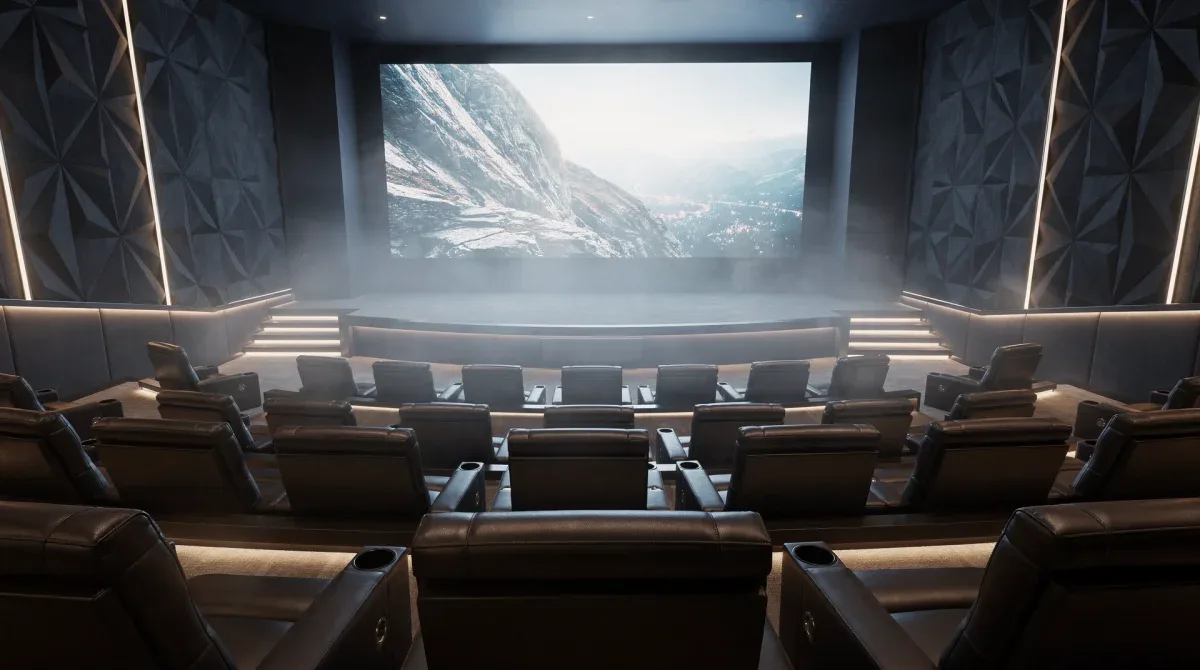
While IMAX's 12-channel system provides a fantastic and powerful sound experience, Dolby Atmos offers a more spatial and detailed approach. The choice often comes down to the film's sound design and personal preference. Both technologies ensure that audiences hear every whisper, explosion, and musical note with breathtaking clarity and impact, enhancing the overall storytelling.
Filmmaker's vision and creative choices
The ultimate goal of any premium cinema format is to faithfully reproduce the filmmaker's vision. For 2026 Hollywood blockbusters, directors and cinematographers increasingly make deliberate choices about which format best serves their creative intent. This decision significantly impacts how audiences experience their stories, making the competition between IMAX with Laser vs. Dolby Cinema even more compelling.
Many filmmakers are drawn to IMAX for its grand scale and ability to capture breathtaking vistas. Shooting with IMAX cameras allows for an expanded aspect ratio, revealing more of the image than traditional cinema. This can be particularly impactful for epic action sequences, sweeping landscapes, or intricate visual effects, where every detail on the massive screen contributes to the immersion.
Optimizing content for premium formats
On the other hand, Dolby Cinema's emphasis on precise contrast, color, and object-based audio appeals to filmmakers who prioritize nuanced visual storytelling and intricate sound design. The deep blacks and vibrant colors of Dolby Vision allow for a greater range of expression, particularly in films that rely on subtle lighting or a rich color palette to convey mood and atmosphere. Dolby Atmos provides unparalleled control over the sonic landscape, enabling directors to craft highly detailed and immersive auditory experiences.
- IMAX cameras: Offer expanded aspect ratios and resolution for grand scale.
- Dolby Vision grading: Provides precise control over HDR, contrast, and color.
- Sound mixing: Tailored for either 12-channel IMAX or object-based Dolby Atmos.
- Director's intent: Filmmakers choose formats to best convey their artistic vision.
Studios often optimize their blockbusters for both formats, creating specific masters that leverage the unique capabilities of each. This involves careful color grading for Dolby Vision and dedicated sound mixes for both IMAX's 12-channel system and Dolby Atmos. The goal is to ensure that regardless of the chosen premium format, the film looks and sounds its absolute best, honoring the creative work.
Ultimately, the best format is the one that aligns most closely with the artistic goals of the project. Whether it's the expansive spectacle of IMAX or the refined precision of Dolby Cinema, filmmakers have powerful tools at their disposal to transport audiences into their imagined worlds, ensuring that 2026 blockbusters are seen and heard as intended.
Choosing your ultimate viewing experience for 2026
Deciding between IMAX with Laser vs. Dolby Cinema for your 2026 blockbuster viewing experience often comes down to personal preference and the specific film you're seeing. Both offer an elevated cinematic journey far beyond standard theaters, but their strengths lie in different areas, appealing to various aspects of what makes a movie memorable.
If you prioritize sheer scale, overwhelming brightness, and an expansive field of view, IMAX with Laser is likely your preferred choice. Its massive screens and powerful sound system are designed to immerse you in a grand spectacle, making you feel like a part of the action. This is particularly impactful for action-packed blockbusters, sci-fi epics, or films with breathtaking cinematography.
Factors to consider for your next movie outing
Conversely, if you value meticulous detail, incredible contrast, precise color accuracy, and a nuanced, three-dimensional soundscape, Dolby Cinema might be more appealing. The deep blacks and vibrant highlights of Dolby Vision, combined with the spatial audio of Dolby Atmos, create a highly refined and immersive experience that focuses on fidelity and realism. This can be perfect for dramas, thrillers, or films where subtle visual and auditory cues are crucial to the storytelling.
- Film genre: Action and spectacle often thrive in IMAX; nuanced dramas in Dolby Cinema.
- Filmmaker's choice: Some films are specifically optimized for one format over the other.
- Personal preference: Do you prefer grand scale or refined precision?
- Theater amenities: Consider seating comfort and overall environment.
It's also worth considering the specific theater location. While both formats adhere to strict technical standards, the quality of individual theaters can vary slightly. Some Dolby Cinemas offer luxurious reclining seats, while some IMAX theaters might have slightly different screen sizes or audio setups. Researching your local options can enhance your decision-making process.
Ultimately, for 2026, both IMAX with Laser and Dolby Cinema represent the pinnacle of cinematic technology. Experiencing both formats, if possible, for different types of films will allow you to determine which best suits your individual taste for an unforgettable blockbuster experience. There's no single 'best' option, only the one that resonates most with you.
| Key Feature | Description |
|---|---|
| IMAX with Laser Visuals | Dual 4K laser projection, high brightness, expanded aspect ratios for massive, immersive screens. |
| Dolby Cinema Visuals | Dual 4K laser projection with Dolby Vision for superior contrast, deep blacks, and precise colors. |
| IMAX Sound | 12-channel sound system, powerful and enveloping audio designed for large spaces. |
| Dolby Cinema Sound | Dolby Atmos, object-based audio for three-dimensional, precise sound placement, including overhead. |
Frequently asked questions about premium cinema
What is the main difference between IMAX with Laser and Dolby Cinema?▼IMAX with Laser emphasizes grand scale, brightness, and expanded aspect ratios for a visually overwhelming experience. Dolby Cinema focuses on superior contrast, deep blacks, and precise colors via Dolby Vision, coupled with object-based Dolby Atmos audio for detailed immersion. Both use dual 4K laser projectors for high resolution.
Which format offers better picture quality?▼Both offer exceptional picture quality, but with different strengths. IMAX with Laser excels in brightness and screen size. Dolby Cinema, with Dolby Vision, provides superior contrast, dynamic range, and color accuracy, leading to incredibly deep blacks and vibrant highlights. The 'better' option often depends on personal visual preference.
How do their sound systems compare?▼IMAX features a powerful 12-channel sound system designed to fill large auditoriums with impactful audio. Dolby Cinema utilizes Dolby Atmos, an object-based audio technology that allows sounds to be precisely placed and moved in three-dimensional space, including overhead, creating a more nuanced and spatial soundscape.
Do filmmakers prefer one format over the other?▼Filmmakers often choose the format that best aligns with their creative vision for a particular project. Some directors prefer IMAX for its epic scale and expanded aspect ratios, especially for films shot with IMAX cameras. Others lean towards Dolby Cinema for its precise color grading, superior contrast, and detailed object-based audio capabilities.
Are these premium experiences worth the extra cost?▼For many moviegoers, the enhanced picture, sound, and overall immersion offered by IMAX with Laser and Dolby Cinema justify the higher ticket price. These formats provide a cinematic experience far superior to standard theaters, making them ideal for experiencing Hollywood's biggest blockbusters and truly appreciating a filmmaker's artistic intent.
Conclusion
The technical showdown between IMAX with Laser and Dolby Cinema for 2026 Hollywood blockbusters highlights the incredible advancements in cinematic technology. Both formats offer distinct, premium experiences, each meticulously engineered to immerse audiences in the magic of film. Whether you seek the overwhelming scale and brightness of IMAX or the precise contrast and object-based audio of Dolby Cinema, moviegoers are spoiled for choice. As these technologies continue to evolve, the future of cinema promises even more breathtaking and unforgettable experiences, ensuring that the big screen remains a captivating destination for storytelling.
