Ad-Tier Streaming Growth & Prime-Time TV Storytelling
Ad-tier streaming subscriptions have exploded by 40%, profoundly influencing prime-time TV storytelling by introducing new creative constraints and opportunities for content creators.
The landscape of television consumption has undergone a seismic shift, with a remarkable 40% surge in ad-tier streaming growth fundamentally altering how prime-time TV storytelling is conceived and delivered. This significant transformation is not merely a change in pricing models; it represents a profound evolution in the creative and commercial dynamics of the entertainment industry, directly impacting what viewers see on their screens and how narratives are constructed.
The rise of ad-tier streaming subscriptions
The past few years have witnessed an undeniable pivot in how consumers access their favorite content. What once began as a premium, ad-free experience has rapidly fragmented, giving rise to a robust ad-supported streaming ecosystem. This shift is driven by a confluence of factors, including economic pressures on households and the platforms' desire to broaden their subscriber base and revenue streams.
Initially, many streaming services positioned themselves as alternatives to traditional cable television, promising an uninterrupted viewing experience. However, as the market matured and competition intensified, the introduction of more affordable, ad-supported tiers became a strategic imperative. This move proved highly successful, attracting a significant segment of the audience looking for value without fully committing to higher-priced subscriptions.
Economic drivers and consumer behavior
- Cost-conscious consumers: With rising inflation and economic uncertainties, many households are scrutinizing their monthly expenses. Ad-tier options provide a more budget-friendly way to access premium content.
- Subscription fatigue: As the number of streaming services proliferated, consumers faced a dilemma of managing multiple subscriptions. Ad-tiers offer a compromise, allowing access to several platforms at a lower cumulative cost.
- Broader market reach: Ad-supported models enable platforms to tap into demographics that might otherwise be priced out of subscription-only services, expanding their total addressable market.
The rapid adoption of these ad-supported tiers indicates a strong consumer appetite for flexibility and affordability, even if it means reintroducing commercials into their viewing habits. This acceptance has emboldened streaming giants to further invest in and develop their ad-supported offerings, recognizing them as a crucial component of their long-term growth strategies.
In conclusion, the emergence and rapid expansion of ad-tier streaming subscriptions are a direct response to evolving market dynamics and consumer preferences. This strategic realignment by streaming platforms has not only boosted subscriber numbers but also set the stage for a dramatic reshaping of content creation and distribution.
Impact on prime-time TV storytelling
The integration of advertisements into streaming content is far from a simple commercial break; it fundamentally alters the creative canvas for prime-time TV storytelling. Writers, directors, and producers must now consider how their narratives will flow, or be interrupted, by commercial messages, a challenge reminiscent of traditional broadcast television but with new digital complexities.

This reintroduction of ads forces creators to think differently about pacing, cliffhangers, and even the emotional arc of a scene. Unlike traditional television where commercial breaks were standardized, streaming platforms often experiment with ad load and placement, adding an element of unpredictability to the creative process. The goal remains to keep viewers engaged despite the interruptions.
Rethinking narrative pacing and structure
- Strategic break points: Creators are now designing episodes with natural pauses or mini-cliffhangers that can accommodate ad breaks without completely derailing the viewer's immersion.
- Shorter narrative arcs: Some shows may opt for more self-contained segments within an episode, making it easier for viewers to re-engage after an ad.
- Content segmentation: The trend might lead to shows being structured in ways that allow for more seamless insertion of ads, potentially affecting scene length and dramatic build-up.
The influence extends beyond mere structural adjustments. The very nature of storytelling might lean towards more digestible, episodic content that can withstand interruptions, potentially moving away from deeply serialized narratives that require uninterrupted focus. This is a delicate balance, as creators still strive for compelling storytelling that resonates with audiences.
Ultimately, the return of ads means a strategic recalibration for everyone involved in prime-time TV production. Storytellers are adapting to weave their narratives around these commercial realities, ensuring that the magic of television remains intact for ad-supported viewers.
Advertiser influence and content creation
With the surge in ad-tier subscriptions, advertisers have gained a powerful new avenue to reach targeted audiences, and their influence on content creation is becoming increasingly pronounced. This isn't just about ad placement; it's about the subtle, and sometimes not-so-subtle, ways that advertising interests can shape the types of shows being greenlit, the themes explored, and even the tone of narratives.
Platforms are keen to attract premium advertisers, which often means ensuring content is brand-safe and aligns with certain demographic targets. This can lead to a preference for specific genres or story types that are perceived as more advertiser-friendly, potentially impacting the diversity and risk-taking in prime-time programming. The balance between creative freedom and commercial viability is more delicate than ever.
Brand safety and content suitability
- Avoidance of controversial themes: Content creators might shy away from overly controversial or niche topics that could deter advertisers.
- Demographic targeting: Shows might be developed with specific audience segments in mind, whose viewing habits and purchasing power are attractive to advertisers.
- Product placement opportunities: The rise of ad-tiers also opens more doors for subtle or overt product placement, which can influence set design, character choices, and plot points.
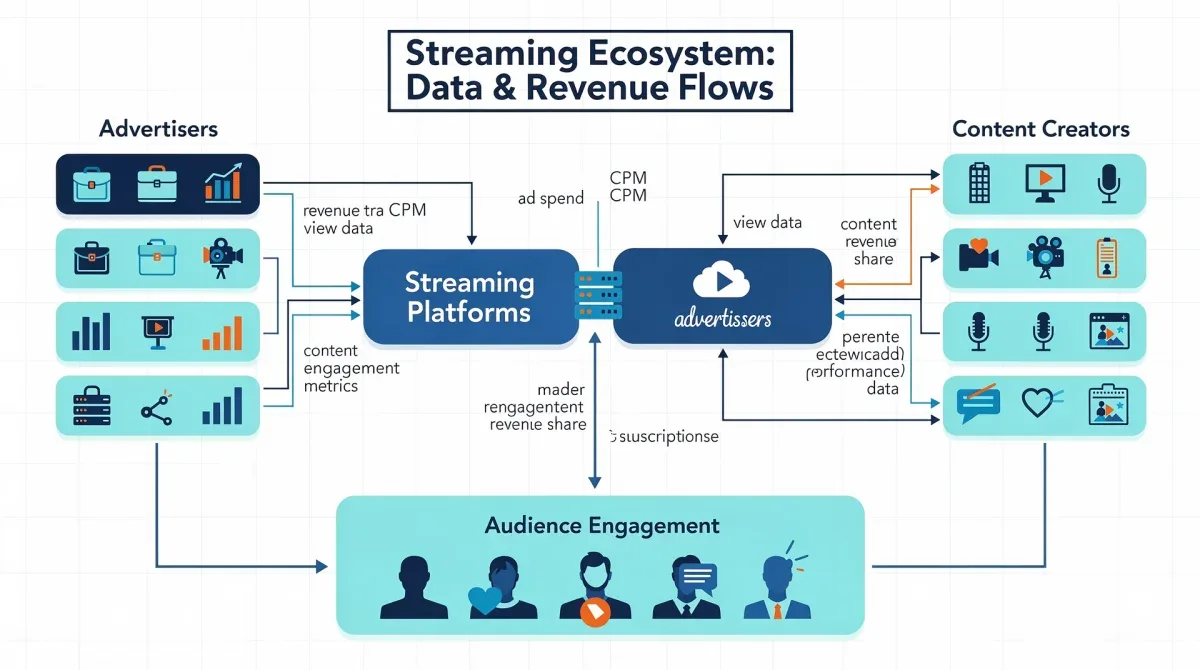
The relationship between content and advertising is symbiotic. While advertisers seek engaging content, platforms rely on ad revenue to fund new productions. This interdependence means that creative decisions are increasingly viewed through a commercial lens, where potential ad revenue plays a role in what stories get told and how they are presented. The challenge for creators is to maintain artistic integrity while navigating these commercial realities.
In essence, advertiser influence is a significant factor in the evolving landscape of ad-tier streaming. It compels content creators and platforms to consider a broader range of factors beyond pure artistic merit, ensuring that content not only entertains but also serves as an effective vehicle for advertising.

The evolving viewer experience
The reintroduction of ads into streaming doesn't just affect creators; it profoundly changes the viewer experience. What was once a seamless, uninterrupted journey through a narrative now includes intermittent breaks, forcing viewers to adapt their consumption habits. This adaptation is a key factor in the success and continued growth of ad-tier streaming.
Viewers are, in essence, making a trade-off: a lower monthly cost in exchange for commercial interruptions. The platforms are keenly aware of this dynamic and are continually experimenting with ad loads, formats, and targeting to optimize the experience. The goal is to make the ad experience as unobtrusive as possible while still delivering value to advertisers.
Personalization and ad relevance
- Targeted advertising: Unlike traditional TV, streaming platforms leverage user data to deliver highly personalized ads, theoretically making them more relevant and less annoying to the viewer.
- Reduced ad load: Many ad-tier services promise a lower ad load compared to traditional broadcast television, aiming for a less disruptive experience.
- Interactive ad formats: Some platforms are experimenting with interactive ads that allow viewers to engage directly, potentially enhancing the ad experience rather than detracting from it.
The success of ad-tier streaming hinges on its ability to strike a balance between affordability and a tolerable ad experience. If ads become too frequent, too long, or too irrelevant, viewers may churn, negating the benefits of the lower price point. Platforms are therefore investing heavily in ad technology and strategies to ensure a positive viewer experience.
Ultimately, the evolving viewer experience in ad-tier streaming is a dynamic interplay between cost savings, content access, and the quality of ad delivery. As platforms refine their approaches, the viewer's journey will continue to be shaped by these commercial considerations.
Innovation in ad technology and monetization
The rapid expansion of ad-tier streaming has spurred significant innovation in ad technology, moving far beyond the simple commercial breaks of yesteryear. Platforms are now leveraging sophisticated data analytics, machine learning, and advanced targeting capabilities to deliver more effective and less intrusive advertising experiences. This technological leap is crucial for sustaining the growth of ad-supported models.
Monetization strategies are also evolving, with platforms exploring new ad formats and partnerships to maximize revenue while minimizing viewer friction. This includes everything from contextual advertising to shoppable ads, all designed to integrate commercial messages more seamlessly into the viewing experience. The goal is to create a win-win situation for viewers, advertisers, and content providers.
Key technological advancements
- Programmatic advertising: Automated buying and selling of ad inventory, allowing for precise targeting and real-time optimization.
- Dynamic ad insertion (DAI): Enables personalized ads to be inserted into video content on the fly, tailored to individual viewer profiles.
- First-party data utilization: Streaming platforms have rich first-party data on viewer habits, allowing for highly accurate audience segmentation and ad targeting.
Beyond technology, monetization is also being driven by creative ad placements, such as sponsored segments, brand integrations within shows, and even interactive advertising that allows viewers to make purchases directly from their screens. These innovations represent a significant departure from traditional advertising, opening up new revenue streams and creative possibilities.
In summary, the growth of ad-tier streaming is intrinsically linked to advancements in ad technology and monetization strategies. These innovations are not only driving revenue but also shaping the future of how advertising interacts with and influences prime-time TV storytelling.
Future outlook for ad-supported content
The trajectory for ad-supported streaming content appears robust, with continued growth and evolution anticipated in the coming years. As more platforms embrace ad-tiers and refine their strategies, the distinction between traditional television and streaming will likely blur further, creating a more integrated and diverse entertainment ecosystem.
The future will see an increased emphasis on hybrid models, where consumers can choose between various tiers of subscription, including ad-free, limited-ad, and potentially even free ad-supported content. This flexibility will cater to a wider range of consumer preferences and economic situations, solidifying ad-tier streaming's position as a cornerstone of the entertainment industry.
Anticipated trends and developments
- Further market consolidation: Smaller players may be acquired or merge, leading to fewer, but larger, ad-supported streaming entities.
- Enhanced personalization: Ad experiences will become even more tailored and contextual, leveraging AI and machine learning to predict viewer preferences and deliver highly relevant ads.
- Global expansion: Ad-tier models will continue to expand into international markets, adapting to local advertising regulations and consumer behaviors.
The ongoing innovation in content creation, ad technology, and monetization will drive this evolution. Storytellers will continue to adapt, finding new ways to craft compelling narratives within the commercial framework, while advertisers will benefit from increasingly sophisticated targeting capabilities. The consumer, in turn, will enjoy a broader range of accessible content.
In conclusion, the future of ad-supported content is bright and dynamic. It promises a continually evolving landscape where technology, creativity, and commercial interests converge to deliver diverse and engaging prime-time TV storytelling to a global audience.
| Key Aspect | Brief Description |
|---|---|
| Ad-Tier Growth | Subscriptions surged by 40%, driven by affordability and market competition. |
| Storytelling Influence | Alters narrative pacing, structure, and creative choices due to ad breaks. |
| Advertiser Impact | Shapes content selection, themes, and product integration for brand safety. |
| Viewer Experience | Balancing lower cost with personalized, less intrusive advertising. |
Frequently asked questions about ad-tier streaming
Why have ad-tier streaming subscriptions grown so rapidly?▼Ad-tier subscriptions have grown rapidly due to their affordability, offering a cost-effective alternative for consumers facing subscription fatigue and economic pressures. Platforms also benefit from increased market reach and diverse revenue streams.
How do ad-tiers affect prime-time TV storytelling?▼Ad-tiers influence storytelling by requiring creators to consider ad breaks when structuring narratives. This impacts pacing, scene length, and the placement of dramatic moments, leading to more segmented or cliffhanger-driven content.
What role do advertisers play in content creation for ad-supported streaming?▼Advertisers increasingly influence content creation by favoring brand-safe themes and specific demographics. This can lead to a preference for certain genres or story types, and opens opportunities for product placement, impacting creative decisions.
Is the viewer experience on ad-tier streaming comparable to traditional TV?▼While both have ads, ad-tier streaming aims for a less disruptive experience with lower ad loads and personalized, targeted advertising using viewer data. This contrasts with the broader, less personalized ads often seen on traditional linear television.
What is the future outlook for ad-supported streaming content?▼The future outlook is strong, with continued growth, technological innovation, and more hybrid subscription models expected. Enhanced personalization and global expansion will further solidify ad-tier streaming as a dominant force in entertainment.
Conclusion
The dramatic 40% growth in ad-tier streaming subscriptions marks a pivotal moment in the evolution of entertainment, profoundly reshaping how prime-time TV storytelling is crafted and consumed. This shift reflects a complex interplay of economic factors, evolving consumer preferences, and technological advancements in advertising. While presenting new challenges for content creators in terms of narrative structure and advertiser influence, it also opens up innovative avenues for monetization and audience engagement. As the streaming landscape continues to mature, ad-supported models are set to become an even more integral part of our viewing habits, driving further innovation and blurring the lines between traditional and digital media.
