Reviving the Neighborhood Third Place: Combat Loneliness
Reviving neighborhood third places through three weekly social rituals is essential for combating loneliness, strengthening community bonds, and creating accessible spaces for informal social interaction.
In an increasingly digitized world, the concept of a reviving neighborhood third place has become more vital than ever. These informal gathering spots, beyond home and work, are crucial for fostering community and combating the pervasive issue of loneliness. This article explores how three simple, weekly social rituals can transform local spaces into vibrant hubs of connection.
Understanding the Third Place Phenomenon
The term 'third place,' coined by sociologist Ray Oldenburg, refers to public spaces where people can gather, interact, and build community outside of their homes (first place) and workplaces (second place). These are typically accessible, informal, and neutral environments that foster a sense of belonging and civic engagement. Think of local cafes, bookstores, parks, or community centers. Their importance lies in their ability to facilitate spontaneous social interaction, which is a cornerstone of strong, resilient communities.
In contemporary society, many of these vital third places have diminished due to various factors, including urban sprawl, the rise of digital communication, and changing social habits. This decline has contributed significantly to feelings of isolation and loneliness, even in densely populated areas. Recognizing this trend is the first step toward actively working to restore and cultivate these essential spaces, making them central to neighborhood life once again. The absence of these casual meeting points leaves a void in our social fabric, impacting mental well-being and community cohesion.
The Erosion of Community Spaces
Several forces have contributed to the disappearance of traditional third places. The shift towards car-dependent suburbs has often meant fewer walkable areas with diverse local businesses. Furthermore, the increasing reliance on online platforms for social interaction, while offering convenience, often lacks the depth and serendipity of face-to-face encounters. This digital migration, coupled with busier individual schedules, has reduced the time and opportunities for people to simply 'be' together in shared physical spaces.
- Suburbanization: Reduced walkability and reliance on private vehicles.
- Digitalization: Online interactions replacing spontaneous physical gatherings.
- Economic Pressures: Local businesses struggling against larger chains or online retailers.
- Time Constraints: Busy lifestyles limiting informal social opportunities.
The erosion of these spaces is not just a matter of convenience; it has profound social consequences. When people lack easy access to neutral gathering spots, the opportunities for intergenerational interaction, diverse social connections, and the development of shared community identity diminish. This can lead to a more fragmented society where individuals feel less connected to their immediate surroundings and neighbors.
Ultimately, understanding the factors behind the decline of third places is crucial for effective intervention. By identifying these challenges, communities can begin to strategize ways to counteract them, fostering environments where social rituals can naturally take root and thrive. The goal is to move beyond mere awareness to proactive steps that rebuild the social infrastructure necessary for human flourishing.
Weekly Coffee & Conversation Circles
One of the most accessible and effective weekly social rituals for reviving neighborhood third place is establishing regular coffee and conversation circles. These events can be hosted at a local cafe, a community center, or even a public park with picnic tables. The key is consistency and a low barrier to entry, making it easy for anyone to drop in and participate. These circles provide a structured yet informal opportunity for neighbors to connect, share stories, and build rapport over a warm beverage.
Imagine a designated time each week, perhaps Saturday mornings, where a local cafe becomes the unofficial meeting point for residents. The owner might offer a small discount or a special 'community blend' to encourage participation. The simplicity of this ritual is its strength; there's no agenda beyond casual conversation, allowing friendships to develop organically. This consistent presence transforms a commercial establishment into a true community hub, fostering a sense of ownership and shared space among attendees.
Structuring the Gathering
While the goal is informality, a little structure can help kickstart interactions, especially in the early stages. A designated host or a few enthusiastic regulars can help introduce newcomers and gently guide conversations. Sometimes, a simple icebreaker question can help people find common ground. The focus should always remain on creating a welcoming atmosphere where everyone feels comfortable contributing, regardless of their background or personality.
- Choose a consistent time and place: Predictability is key for building a routine.
- Partner with a local business: Offers mutual benefits and a natural setting.
- Encourage diverse participation: Reach out to different demographics in the neighborhood.
- Keep it informal: Avoid rigid agendas; allow conversations to flow naturally.
The beauty of a coffee and conversation circle lies in its adaptability. It can be as simple as a few chairs arranged in a circle or a more elaborate setup with board games or a small lending library. The core principle is to provide a consistent, low-pressure environment where people can simply show up, be present, and engage with their neighbors. Over time, these seemingly small interactions accumulate, weaving a tighter social fabric within the community.
This ritual directly addresses loneliness by providing a regular dose of face-to-face interaction, which is often missing in modern life. It creates a sense of anticipation and belonging, knowing that there's a place and time each week where friendly faces will be present. For many, this consistent social anchor can be a powerful antidote to isolation, demonstrating how easily a third place can be revived with intentional, simple efforts.
Community Skill-Share Workshops
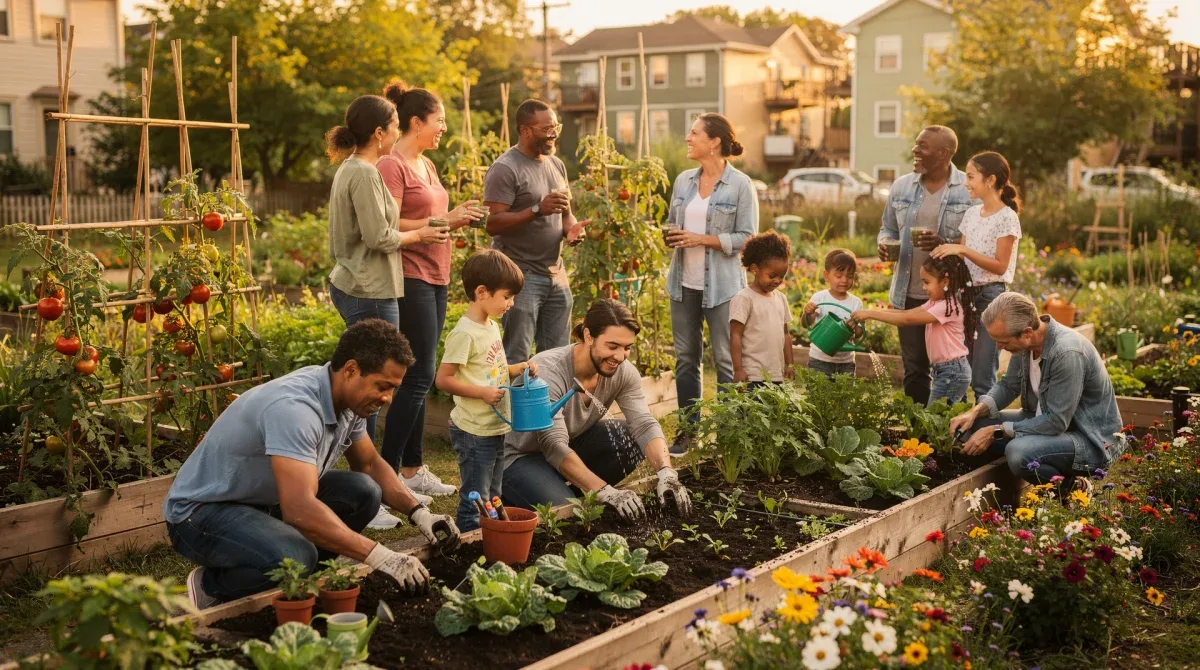
Another powerful weekly social ritual for reviving neighborhood third place is organizing community skill-share workshops. These workshops leverage the diverse talents within a neighborhood, allowing residents to teach and learn from each other. From knitting and basic gardening to coding or a language lesson, these events create a purpose-driven reason for people to gather, interact, and build connections around shared interests. They transform passive spaces into active learning environments, fostering a vibrant exchange of knowledge and fostering a deeper sense of community.
Imagine a local library, park shelter, or even a school gym hosting a different skill-share workshop each week. One week, a retired carpenter might teach basic woodworking; the next, a local chef could share a family recipe. These events not only provide valuable learning opportunities but also create a platform for individuals to showcase their expertise and feel valued within their community. The act of teaching and learning together builds bridges between different age groups and backgrounds, strengthening social ties in meaningful ways.
Making Learning Accessible and Engaging
To ensure widespread participation, workshops should be free or very low-cost, relying on volunteer instructors and donations for materials. Promoting these events through local flyers, social media groups, and word-of-mouth is essential. The topics should be varied and reflect the interests of the community, which can be gauged through simple surveys or informal conversations. The goal is to make learning a social activity, not just an individual pursuit.
- Diverse topics: Cater to a wide range of interests and skill levels.
- Volunteer instructors: Utilize local talent and foster a sense of contribution.
- Affordable or free: Remove financial barriers to participation.
- Interactive and hands-on: Encourage engagement and collaborative learning.
Skill-share workshops offer a unique way to combat loneliness by providing a structured environment for interaction. Participants often find common ground through the shared activity, leading to conversations and friendships that extend beyond the workshop itself. The sense of accomplishment from learning a new skill, combined with the social connection, contributes significantly to individual well-being and community spirit.
Moreover, these workshops empower residents, turning them into active contributors rather than passive consumers of entertainment. This shift in dynamic is crucial for building a resilient third place, where people feel a sense of ownership and personal investment. By facilitating the exchange of practical knowledge, communities can strengthen their collective capabilities while simultaneously enriching their social lives, demonstrating the profound impact of intentional weekly rituals.

Neighborhood Game Nights & Potlucks
Introducing weekly neighborhood game nights and potlucks is an excellent strategy for reviving neighborhood third place, blending shared meals with playful competition and camaraderie. These events can take place at a community hall, a large common room in an apartment building, or even a rotating schedule of hosts' homes. The combination of food and games creates a relaxed, joyful atmosphere where people can connect over shared experiences, laughter, and delicious homemade dishes.
Imagine a Friday evening where neighbors bring their favorite board games and a dish to share, transforming a simple room into a vibrant hub of activity. One table might have an intense strategy game, another a lively card game, and children could be engaged in simpler, age-appropriate activities. The potluck aspect encourages participation and highlights the culinary diversity of the community, turning a meal into a collective celebration. This consistent ritual provides a much-needed outlet for social interaction that is both fun and deeply communal.
Fostering Connection Through Play and Food
The beauty of game nights and potlucks lies in their inherent ability to break down social barriers. Games provide a natural conversation starter and a common objective, while sharing food is a primal act of community building. These events are inclusive, appealing to a wide range of ages and interests, and often encourage families to participate together. A simple sign-up sheet for dishes can help ensure a balanced meal, but the emphasis should always be on participation and enjoyment rather than perfection.
- Shared meals: Potlucks encourage contribution and culinary exchange.
- Variety of games: Cater to different preferences and age groups.
- Inclusive environment: Welcome families, singles, and all demographics.
- Rotating hosts: Share the responsibility and engage more community members.
These weekly gatherings offer a powerful antidote to loneliness by providing a predictable and enjoyable social outlet. The regular interaction helps forge genuine friendships, moving beyond superficial acquaintances. People learn about each other's lives, share triumphs and challenges, and build a supportive network that extends beyond the event itself. This consistent presence of shared joy and mutual support is what truly defines a thriving third place.
By making these events a weekly fixture, communities can create a reliable rhythm of social engagement. The anticipation of a fun evening with neighbors becomes a highlight of the week, reinforcing the importance of local connections. This ritual demonstrates that reviving neighborhood third place doesn't require grand projects, but rather consistent, intentional efforts to bring people together in simple, joyful ways that enrich their lives.
The Broader Impact of Third Places
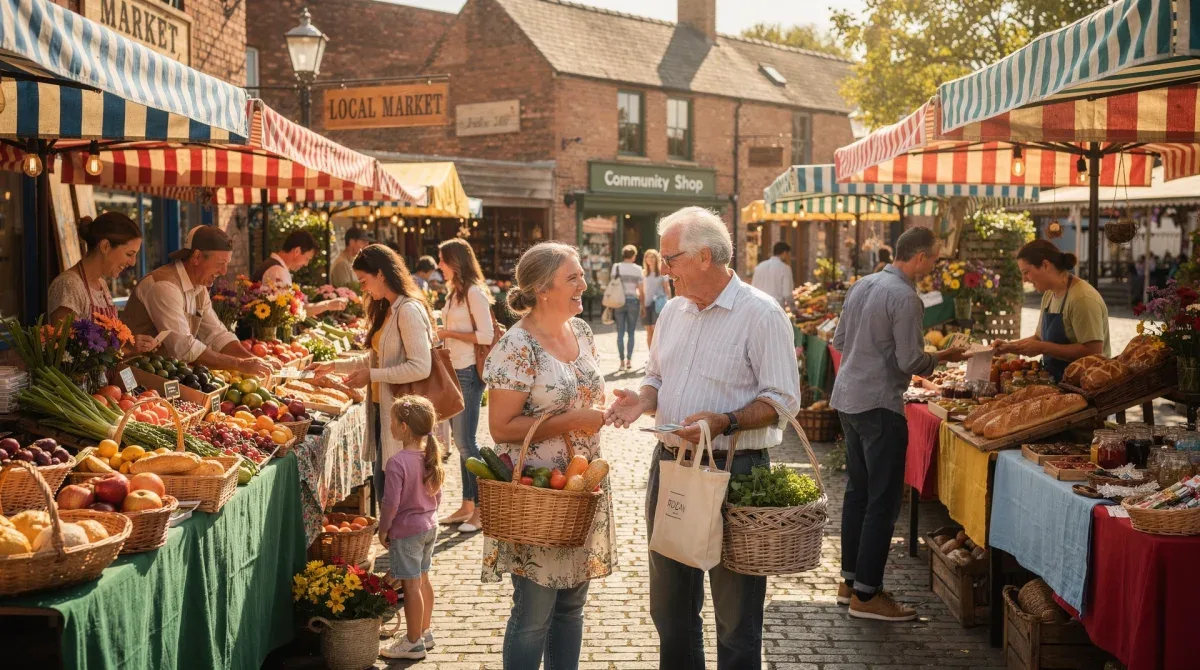
The intentional effort to bring back and sustain third places through weekly social rituals extends far beyond individual well-being; it has a profound impact on the entire community. When neighborhoods possess vibrant third places, they become more resilient, cohesive, and enjoyable places to live. These spaces act as informal social safety nets, where people can casually check in on one another, offer support, and collectively address local issues. The benefits ripple through various aspects of civic life, creating a more engaged and empowered populace.
Economically, thriving third places often support local businesses, as cafes, bookstores, and community centers become focal points for activity. This localized economic boost can lead to a more vibrant main street or commercial district. Socially, these spaces facilitate intergenerational connections, allowing younger and older residents to interact and share perspectives, breaking down age-related silos that can develop in modern society. This cross-pollination of ideas and experiences enriches the entire community, fostering a deeper understanding and empathy among residents.
Strengthening Civic Engagement and Local Identity
Third places are often incubators for civic engagement. When neighbors regularly interact and build trust, they are more likely to collaborate on community projects, volunteer for local causes, and participate in local governance. This increased civic participation leads to better decision-making and a stronger collective voice on issues that matter to the neighborhood. The sense of shared ownership over these spaces translates into a greater sense of responsibility for the community as a whole.
- Enhanced social capital: Stronger networks and mutual trust among residents.
- Local economic vitality: Increased patronage for neighborhood businesses.
- Improved public safety: More 'eyes on the street' and a stronger sense of collective responsibility.
- Intergenerational connections: Bridges built between different age groups.
Furthermore, third places play a critical role in shaping a neighborhood's unique identity. They become landmarks, places with stories, and symbols of what makes a particular community special. This shared identity fosters pride of place and a collective memory, which are essential for long-term community stability and appeal. The consistent presence of these social hubs makes a neighborhood feel more alive, welcoming, and truly like home to its residents.
Ultimately, investing in and nurturing third places is an investment in the future of our communities. By embracing simple, consistent social rituals, we can combat loneliness, build stronger social bonds, and create places where everyone feels connected and valued. The broader impact of reviving neighborhood third place is a testament to the power of human connection and the enduring need for shared spaces in our lives.
Overcoming Challenges in Establishing Third Places
While the benefits of reviving neighborhood third place are clear, establishing and sustaining these spaces and rituals is not without its challenges. Initial apathy, lack of resources, and resistance to change can all hinder progress. However, with thoughtful planning, community engagement, and a flexible approach, many of these obstacles can be overcome. The key is to start small, build momentum, and foster a sense of collective ownership among residents.
One common hurdle is simply getting the word out and encouraging initial participation. People are often busy, and breaking old habits requires a compelling reason and easy access. This is where effective communication strategies, such as local social media groups, community bulletin boards, and personal invitations, become crucial. Another challenge can be finding suitable locations and securing necessary funding or volunteer support. Creative solutions, like utilizing underused public spaces or partnering with existing businesses, can help mitigate these resource constraints.
Strategies for Sustainable Community Building
Sustainability is paramount for any initiative aimed at reviving neighborhood third place. This means moving beyond one-off events to consistent, repeatable rituals that become embedded in the community's fabric. Empowering community members to take leadership roles, rather than relying on a single organizer, ensures longevity. Establishing clear communication channels and regularly soliciting feedback also helps adapt events to the evolving needs and preferences of the residents.
- Start small and grow: Begin with simple rituals and expand as interest builds.
- Empower local leaders: Distribute organizational responsibilities among residents.
- Seek diverse funding: Explore grants, local business sponsorships, and community donations.
- Promote widely: Use multiple channels to reach all segments of the neighborhood.
Addressing potential conflicts or disagreements that may arise is also vital. In any community initiative, different perspectives will emerge. Establishing clear guidelines for respectful interaction and having a designated point person for addressing concerns can help maintain a positive and inclusive atmosphere. Flexibility is also key; if a particular ritual isn't gaining traction, be open to modifying it or trying something new. The goal is to meet the community where it is, not impose a rigid structure.
Ultimately, overcoming these challenges requires patience, persistence, and a genuine commitment to community building. By focusing on creating welcoming environments, fostering shared responsibility, and adapting to local needs, communities can successfully establish and sustain vibrant third places that serve as powerful antidotes to loneliness and fragmentation. The effort to overcome these hurdles is an investment in the social health and vitality of the neighborhood, yielding invaluable returns in human connection.
The Future of Connected Communities
Looking ahead, the future of connected communities hinges on our ability to prioritize and actively cultivate third places. As technology continues to advance and reshape how we live and work, the human need for authentic, face-to-face interaction will only intensify. The strategies for reviving neighborhood third place discussed here are not just temporary fixes but foundational elements for building resilient, supportive communities that can adapt to future challenges. These social rituals offer a blueprint for fostering enduring connections in an ever-changing world.
Consider how future urban planning might integrate more intentional third places into new developments, or how existing infrastructure could be repurposed for community use. The emphasis will increasingly be on creating mixed-use spaces that encourage spontaneous interaction and easy access to shared amenities. Furthermore, digital tools, rather than replacing physical interaction, can be leveraged to enhance it, serving as platforms for organizing events, sharing information, and coordinating volunteer efforts for these third places. The synergy between digital and physical realms holds immense potential for community building.
Innovations in Community Design and Engagement
Innovative approaches to community design are emerging, focusing on creating '15-minute cities' where essential services and social opportunities are within a short walk or bike ride. This design philosophy inherently supports the proliferation of third places by making them easily accessible in daily life. Beyond physical design, new models of community engagement are also vital. These include participatory budgeting for local projects, community-led event planning, and digital platforms that facilitate local bartering and skill-sharing.
- Integrated urban planning: Designing cities with built-in third places.
- Hybrid digital-physical models: Using technology to support real-world connections.
- Flexible public spaces: Multi-functional areas for diverse community activities.
- Empowered local leadership: Shifting ownership and initiative to residents.
The role of local governments, community organizations, and individual residents will be crucial in this future. Policies that support local businesses, provide funding for community initiatives, and promote inclusive public spaces will be essential. Education campaigns can also highlight the importance of third places and encourage active participation in social rituals. Ultimately, the future of connected communities is a shared responsibility, requiring a collective commitment to fostering environments where human connection can thrive.
By embracing these forward-thinking strategies, we can ensure that our neighborhoods remain vibrant, supportive, and truly connected places. The ongoing effort to reviving neighborhood third place is not merely about preserving a past ideal, but about actively shaping a future where loneliness is combated, and genuine community flourishes as a cornerstone of modern life. These weekly rituals are not just activities; they are investments in our collective well-being.
| Key Ritual | Brief Description |
|---|---|
| Coffee & Conversation | Weekly informal gatherings at a local cafe to foster casual social interaction. |
| Skill-Share Workshops | Neighbors teach and learn new skills from each other, building connections through shared learning. |
| Game Nights & Potlucks | Fun-filled evenings with games and shared food, promoting laughter and camaraderie. |
| Community Impact | Strengthens civic engagement, supports local economy, and combats widespread loneliness. |
Frequently Asked Questions About Third Places
What exactly is a 'third place'?▼A 'third place' is a term coined by sociologist Ray Oldenburg referring to public spaces where people can gather, interact, and build community outside of their homes (first place) and workplaces (second place). Examples include cafes, community centers, parks, and libraries, fostering informal social interaction.
Why are third places important for combating loneliness?▼Third places provide accessible, low-pressure environments for spontaneous social interaction, which is crucial for forming connections and reducing feelings of isolation. They offer consistent opportunities for people to meet, chat, and build rapport, thereby strengthening community bonds and individual well-being.
How can communities revive their third places effectively?▼Communities can revive third places by establishing consistent, weekly social rituals like coffee circles, skill-share workshops, or game nights. These activities provide structured reasons for people to gather, fostering a sense of routine, belonging, and shared purpose within the neighborhood's public spaces.
What are the benefits of community skill-share workshops?▼Skill-share workshops allow neighbors to teach and learn from each other, leveraging local talents and creating purpose-driven social interactions. They foster intergenerational connections, build practical skills, and empower residents, turning passive spaces into active learning hubs that strengthen community ties.
Can digital tools help in reviving neighborhood third places?▼Yes, digital tools can complement physical third places by facilitating event organization, sharing information, and coordinating volunteer efforts. Platforms can help promote weekly rituals, gather feedback, and connect residents, thereby enhancing real-world interactions rather than replacing them, creating a hybrid community model.
Conclusion
The journey of reviving neighborhood third place is a proactive and essential step towards building more connected, resilient, and joyful communities. By embracing simple, consistent weekly social rituals such as coffee circles, skill-share workshops, and game nights, we can effectively combat loneliness and foster genuine human connection. These initiatives not only enrich individual lives but also strengthen the social fabric of entire neighborhoods, proving that intentional efforts to gather can transform ordinary spaces into extraordinary hubs of belonging and shared experience. Investing in our third places is an investment in our collective well-being and the future of vibrant community life.
